AI’s Power Hunger Meets Energy’s AI Ambition at ADIPEC 2026
OpenAI, ADNOC, and G42 forge partnership as computing power demands reshape global energy strategy

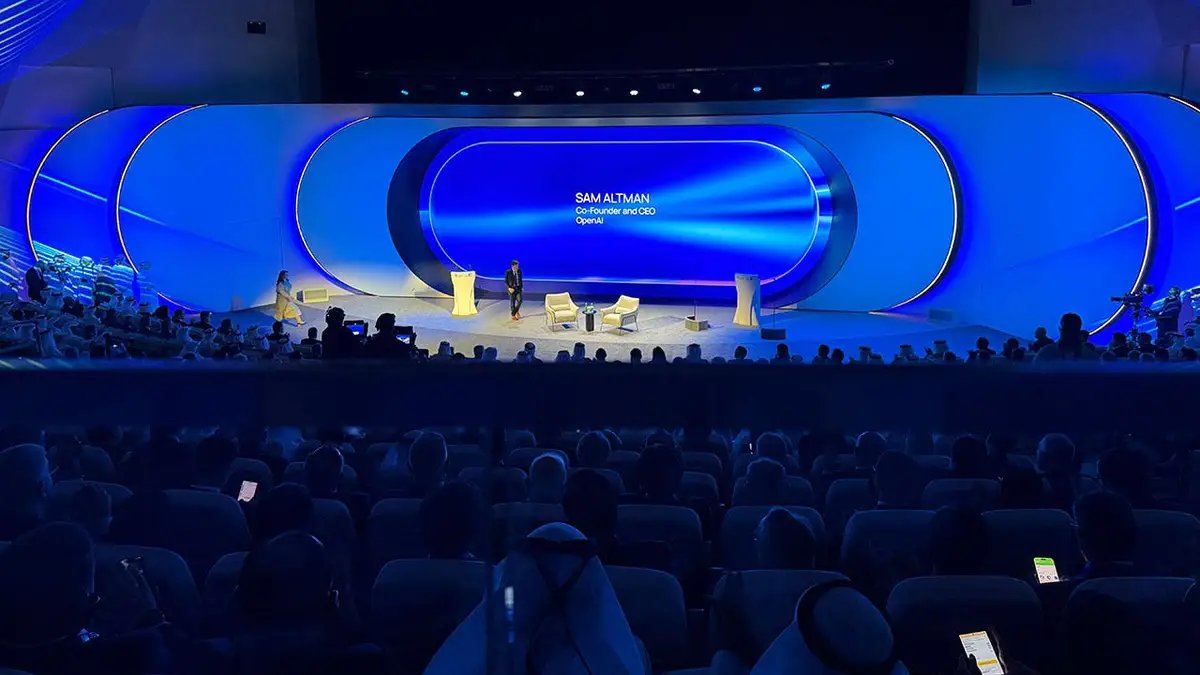
ABU DHABI — The fundamental tension defining modern technology and energy policy played out on stage Monday as Sam Altman stood alongside the head of Abu Dhabi’s state oil company to declare a new partnership. OpenAI needs electricity at a scale that strains grids worldwide. ADNOC needs artificial intelligence to squeeze more value from every barrel. The deal binding them together with G42, the Emirati tech conglomerate, illustrates a dependency that neither industry can escape.
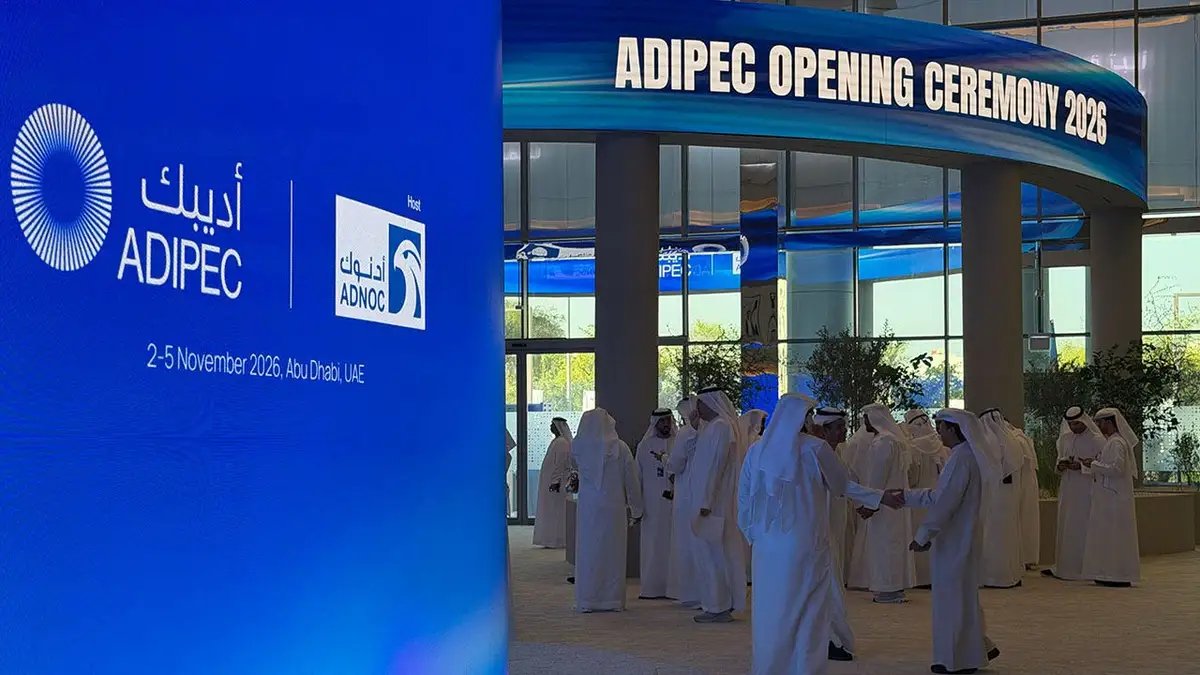
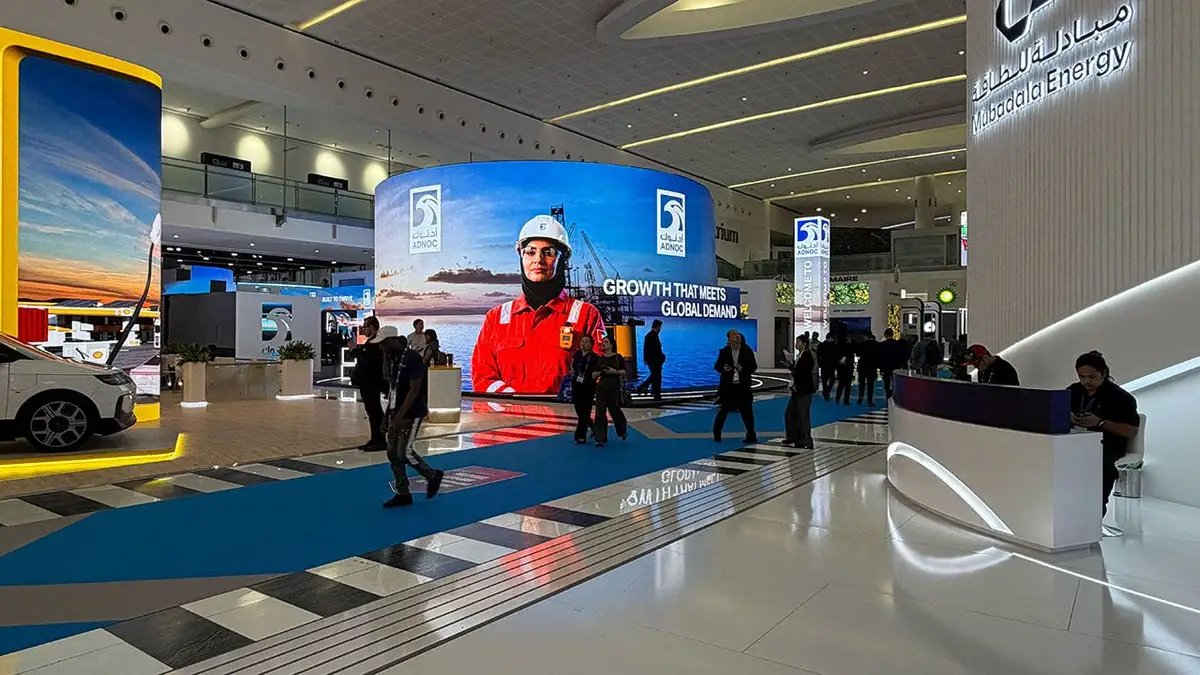
“From the moment ChatGPT was born, the world has asked what energy can do for AI,” Sultan Al Jaber, ADNOC’s chief executive and the UAE’s minister of industry and advanced technology, told the ADIPEC conference. “And now, together, we will find out what AI can do for energy.” The line drew applause, but the reality underneath is more transactional. Altman has repeatedly called energy the primary constraint on AI’s future. Data centers consumed roughly 1.5% of global electricity in 2024, a share projected to grow 15% annually through 2030.

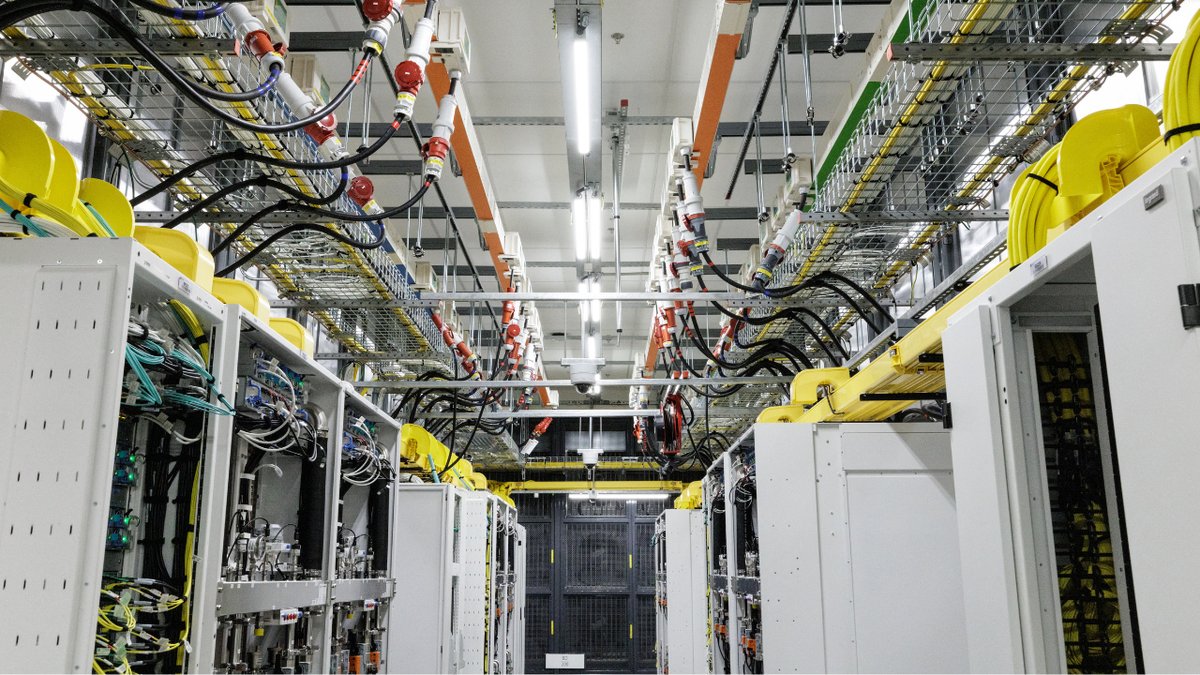
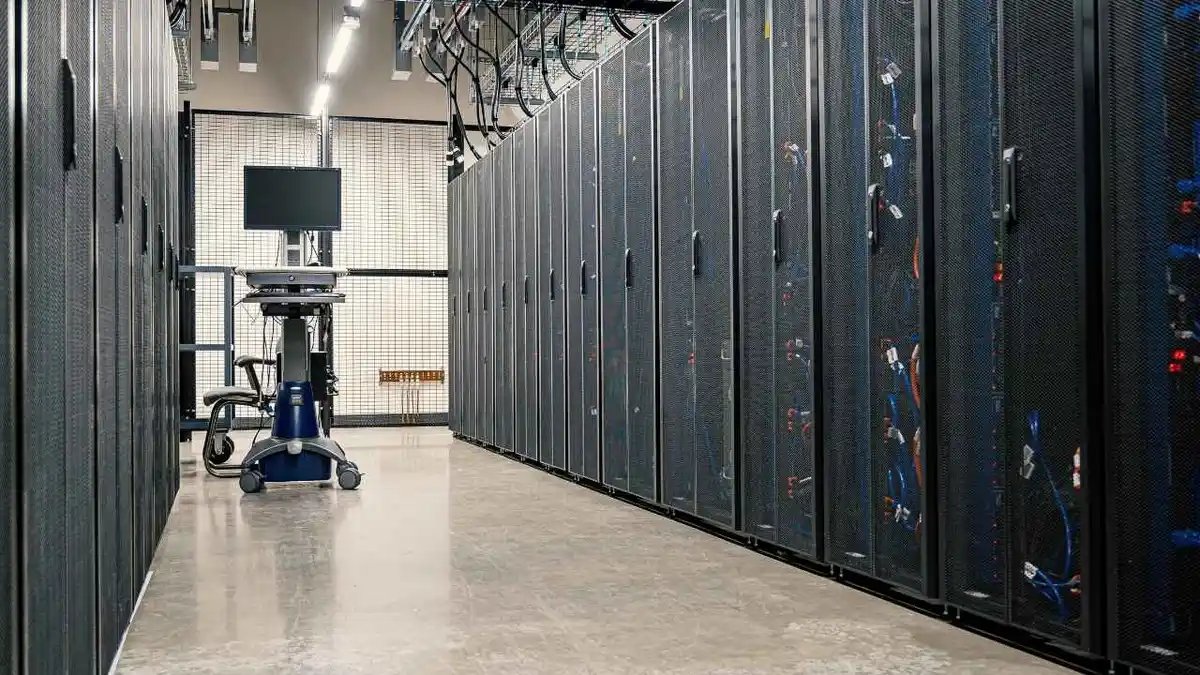
Efficiency gains have been staggering — Altman cited a 1,000 to 100,000-fold improvement in energy per query over three to four years. But usage has exploded faster. Top users now process hundreds of billions of tokens monthly. The math doesn’t close without new power sources, and the Emirates wants to supply both the energy and the computing infrastructure. G42’s Stargate UAE project, built with American tech partners, aims to deliver massive new GPU capacity for advanced AI workloads.
ADNOC has been preparing for this moment. Its Panorama Digital Command Center has generated over $1 billion in cumulative business value since 2018. The company reported $500 million in AI-driven value last year alone. The new partnership targets oilfield development, reservoir management, refining, logistics, and trading — processing decades of data from thousands of wells to compress planning cycles from months to hours.

The conference backdrop added urgency. Nearly a billion barrels have been drawn from global inventories since disruptions began affecting the Strait of Hormuz, through which one-fifth of world oil consumption flows. Al Jaber cited the figure to argue that operational resilience — anticipating crises rather than reacting — requires AI. Angela Wilkinson of the World Energy Council pushed back gently on automation narratives: “It isn’t about AI taking decisions for humanity, it’s about AI enabling people to make better decisions.”
Regulatory questions hung over the technical optimism. Mohammed Baharoon of Dubai’s B’huth research center argued governments must embed regulatory concepts during AI development, not after deployment. The EU’s AI Act, U.S. executive orders, and a patchwork of state laws offer competing frameworks. Amos Hochstein of TWG Global warned that AI’s rapid expansion must be weighed against financial and societal costs, urging the U.S. to maintain leadership while ensuring citizen benefits.
The UAE’s AI Strategy 2031, launched in 2017, aims to integrate artificial intelligence across transport, health, and renewable energy — diversifying beyond hydrocarbons. Whether the ADNOC-OpenAI-G42 alliance becomes a model for energy-AI integration or a regional experiment depends on whether the computing returns justify the power demands. Both industries are betting they do.