Zelenskyy Rejects US Pressure to Halt Refinery Strikes, Demands Patriot Missiles Instead
Ukrainian leader links halt to Patriot missile deliveries as trilateral talks loom in Abu Dhabi

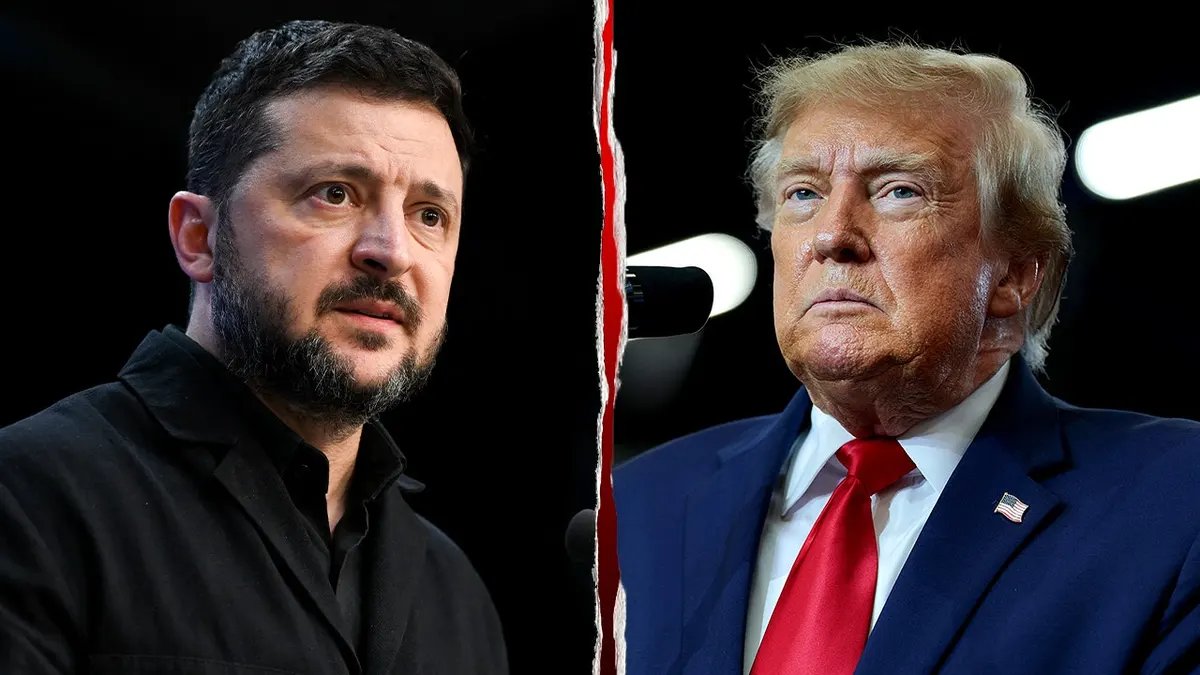
KYIV — Ukrainian President Volodymyr Zelenskyy has flatly rejected Trump administration demands to stop striking Russian oil refineries, telling Fox News that Kyiv’s long-range drone campaign will continue until Moscow ends its own systematic assault on Ukraine’s energy grid.
“Our response must be painful,” Zelenskyy said in Kyiv, acknowledging direct discussions with Washington over the refinery attacks. “If you want us not to attack Russia’s refineries, they have not to attack our energy system.”
The exchange lays bare a widening fracture between Kyiv and the White House as the United States prepares to host trilateral peace talks with Ukraine and Russia next week in Abu Dhabi. President Donald Trump has publicly blamed Ukrainian strikes for rising American fuel prices. In October, his Treasury Department issued General License 135, temporarily authorizing Russian-origin diesel imports — including into the United States — until April 2027. The move followed an October 9 agreement between Trump and Vladimir Putin for Russia to supply millions of tons of diesel to global markets.


Zelenskyy called the diesel deal “a gift to Putin” that would fund Russia’s war effort. He also tied any potential pause in refinery strikes to a concrete U.S. commitment: delivery of additional Patriot missile interceptors to defend Ukrainian skies. Kyiv has requested a “winter support package” of 100 Patriot interceptors monthly and asked allies to draw from existing stockpiles. Ukraine has offered to pay for the systems.
The State Department approved a potential $2.1 billion sale of 500 Patriot PAC-3 MSE missiles on October 30, to be funded by allies. Deliveries are not expected until late 2030 or later. Separately, the Pentagon referred Ukraine’s request to domestically manufacture Patriot interceptors for “further review,” leaving Kyiv without a confirmed production timeline.
Ukraine’s drone campaign has already disrupted Russian refining capacity. The Defense Intelligence Directorate reported that by the end of September, 15 of Russia’s 38 major refineries had suspended operations and another 12 had reduced output. Recent strikes hit the Kstovo and Samara oblast refineries, the Afipsky Oil Refinery, and the Ryazan and Novokuibyshevsk facilities.
Moscow’s energy infrastructure attacks on Ukraine have been relentless. During the 2025-2026 winter, UN monitors documented at least 423 strikes on electricity infrastructure and 74 on heating facilities. Temperatures dropped below -20°C in some regions as millions lost power and hundreds of thousands lost heating. The UN’s Independent International Commission of Inquiry concluded on October 26, 2026, that these attacks constitute crimes against humanity. Russian strikes resumed and intensified in early November, with a massive drone campaign on November 3-4 hitting central and western Ukraine.
Diplomatic tracks are moving in parallel. U.S. Special Envoy Steve Witkoff and Jared Kushner have been involved in preparatory discussions for the November 10-11 Abu Dhabi talks, which are expected to cover security guarantees for Ukraine and broader European security architecture. Trump has emphasized his priority for achieving peace.
A rare humanitarian opening emerged in late October when First Lady Melania Trump brokered a localized ceasefire in the Russian-occupied town of Oleshky, Kherson Oblast. The three-day truce, running October 29 through November 1, allowed the evacuation of nearly 800 residents and delivery of humanitarian aid. Zelenskyy welcomed the effort as “a huge result,” though Ukrainian officials accused Russian forces of using the pause to reinforce positions. Melania Trump was scheduled to host Russian and Ukrainian representatives at the White House on November 5 following the truce.