

Sam’s Club Doubles Down on Fresh Grocery Delivery and Quick Meals
The Walmart-owned warehouse club doubled its digital fresh food reach in two years, dropping markups on sub-hour deliveries.
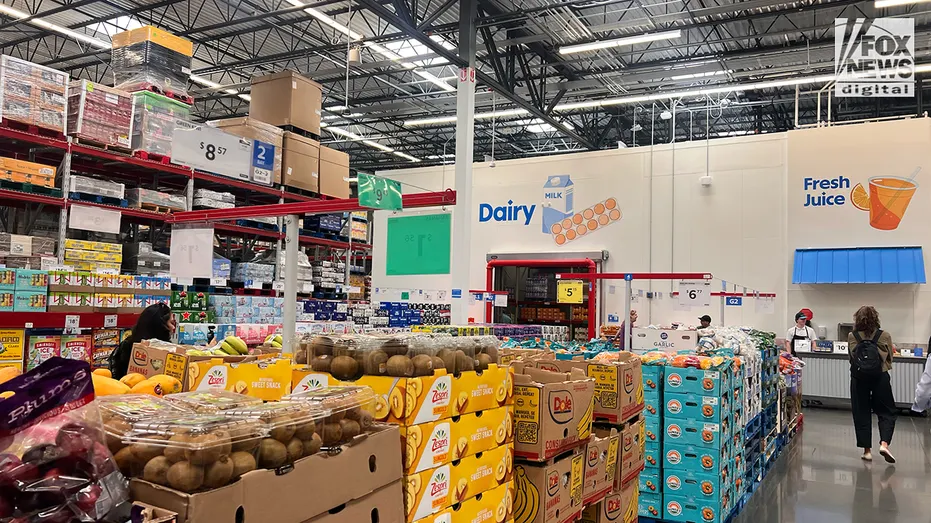
Sam’s Club is overhauling how it sells fresh food, betting that warehouse members now define value not just by price per ounce but by how quickly a product moves from a digital cart to their kitchen table.
The Bentonville, Arkansas-based retailer has doubled its digital penetration in the fresh grocery category over the past two years, according to Executive Vice President and Chief Merchandising Officer Myron Frazier. That growth tracks with parent company Walmart reporting a 26% surge in Sam’s Club U.S. e-commerce sales during its second quarter ended July 31, driven almost entirely by club-fulfilled pickup and delivery orders.
Unlike traditional supermarkets where perishable goods account for the bulk of store traffic, warehouse clubs historically built their business models around shelf-stable bulk items, electronics, and general merchandise. Fresh produce and meat departments were secondary draws. The current strategy represents a fundamental shift in how membership warehouses compete directly with conventional grocers and rapid-delivery platforms.


Roughly 70% of consumers now prefer home delivery for online grocery orders, expecting those items to arrive the same day or within hours, according to McKinsey & Company’s “The State of Grocery North America 2026” report. Meeting that expectation without eroding margins requires infrastructure that most bulk retailers lacked five years ago.
Sam’s Club relies on its Express Delivery service to fulfill fresh orders in under an hour. Frazier emphasized that the company does not apply a markup to fresh food products routed through this channel, a pricing structure designed to prevent digital convenience fees from alienating cost-conscious members who pay annual dues specifically to access wholesale rates.
The push extends beyond logistics into product development. The retailer is expanding ready-to-cook meal kits engineered to eliminate prep time while maintaining bulk-scale pricing. Offerings include pre-breaded fresh panko chicken breasts and a packaged “Marry Me Chicken” kit designed to feed four people in approximately 12 minutes. These items target the gap between raw ingredients requiring significant culinary effort and fully prepared deli meals carrying premium price tags.
This approach mirrors broader industry friction around automation and customer experience. While competitors test artificial intelligence at drive-thrus and checkout lanes—efforts recently rejected by chains like Chick-fil-A in favor of human interaction—warehouse clubs are focusing backend technology on supply chain speed rather than consumer-facing gimmicks. The goal is making the fulfillment process invisible while keeping the physical club experience intact for members who still prefer to shop aisles.
Curbside pickup remains a critical component of the omnichannel architecture. By allowing members to order curated fresh items digitally and collect them without entering the warehouse, the retailer reduces in-club congestion while capturing shoppers who might otherwise default to neighborhood supermarkets for quick trips.

Costco Wholesale Corp., the largest U.S. warehouse competitor, has taken a more conservative approach to grocery delivery, heavily prioritizing in-club foot traffic and limiting same-day perishable fulfillment compared to the Walmart-backed ecosystem. Sam’s Club leverages Walmart’s extensive last-mile delivery network and regional distribution centers to offer speeds independent clubs struggle to match.
Walmart confirmed the sustained momentum of these digital fulfillment channels in its August earnings release, establishing club-fulfilled pickup and delivery as primary growth engines for the membership division heading into the fourth quarter.









