Pope Leo XIV Condemns ‘False Compassion’ of Assisted Suicide During Historic Lourdes Pilgrimage
Pontiff Links Moral Opposition to Recent Cases of Coerced End-of-Life Decisions Abroad
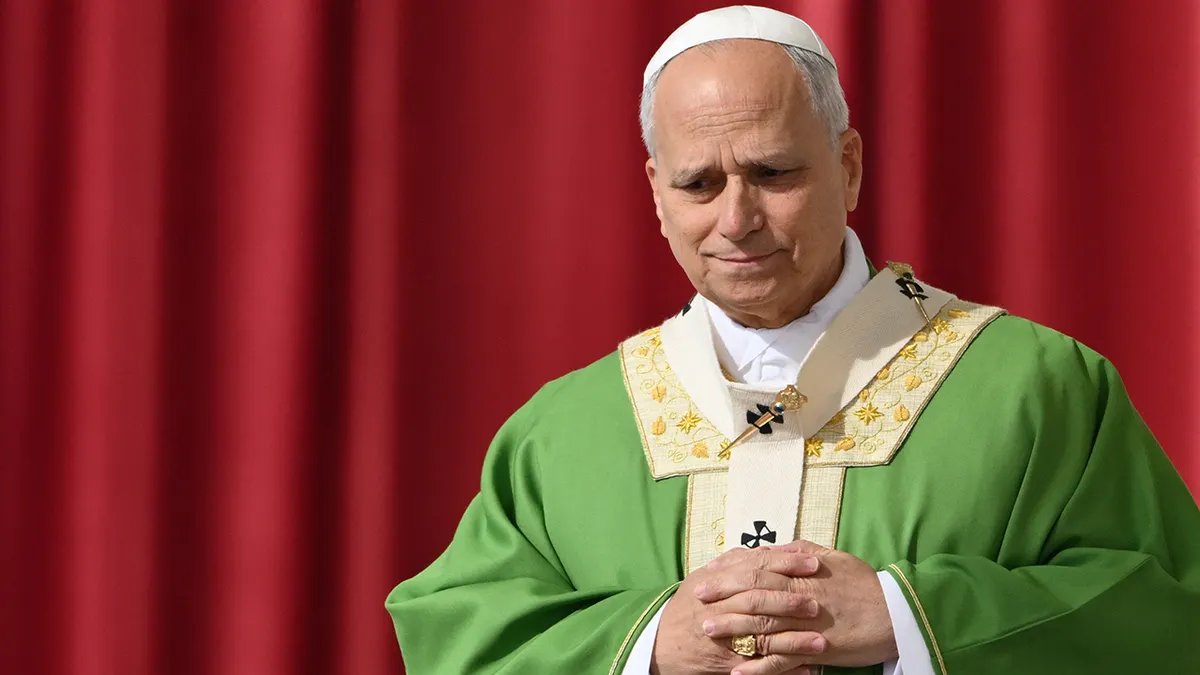
Speaking in French to a packed congregation at the Sanctuary of Our Lady of Lourdes on Sunday, Pope Leo XIV issued a stark moral rebuke of medically assisted suicide, framing the practice as a violation of human dignity rather than an act of mercy. The pontiff’s remarks came during the second day of his four-day state visit to France, marking a significant escalation in the Catholic Church’s opposition to end-of-life legislation across Europe and North America.
“It is precisely in the name of this inalienable dignity of the human person that we must reject the temptation to cause death under the guise of false compassion,” Leo said, addressing both healthcare workers and pilgrims gathered in the southern French town known for its healing waters. He emphasized that legality does not equate to morality, stating, “What is legal is not necessarily moral.” The pope urged the medical community to uphold their vocation of caring for suffering individuals instead of eliminating them, warning against medicine becoming “the servant of programmed death.”
The location of these comments carries profound symbolic weight. Lourdes has long served as a global center for palliative care and spiritual reflection on illness, making it a potent backdrop for the Vatican’s latest ethical pronouncement. By choosing this site, Leo aligned himself with decades of papal tradition emphasizing holistic care over technological intervention when cure is no longer possible. His statement also referenced recent legislative developments in the United States, specifically expressing disappointment over Illinois’ passage of laws permitting physician-assisted dying—a move that has drawn sharp criticism from religious leaders nationwide.


This doctrinal stance intersects with growing public scrutiny of assisted dying frameworks abroad, particularly in Canada. Just days before the pope’s arrival, media reports highlighted the case of Brigitte Stegemann, an 83-year-old Canadian woman who died under the country’s Medical Assistance in Dying (MAID) program despite reportedly resisting the procedure until her final moments. Her granddaughter, Brigitte Kranendonk, alleged that doctors used euphemistic language to obscure the lethal nature of the treatment, telling Stegemann she would feel “at peace” but omitting explicit references to death. When questioned directly about understanding the outcome, Stegemann reportedly cried out that she had made a mistake—a moment captured in testimony now fueling debates over informed consent safeguards in jurisdictions where euthanasia is legalized.
France itself remains divided on the issue. While assisted suicide is currently illegal there, parliamentary committees have been reviewing potential reforms since 2024 amid rising pressure from advocacy groups citing autonomy and relief from terminal pain. Opponents argue that such changes risk undermining trust in healthcare systems, especially among vulnerable populations including the elderly and disabled. Disability rights organizations like “Distant Voices and Not Dead” have staged protests in London and Paris, contending that societal devaluation of impaired lives drives demand for premature death options.
Leo’s intervention places him firmly within a broader transatlantic coalition challenging liberal bioethics trends. In New York, Catholic nuns recently filed suit arguing that state-mandated participation in assisted dying protocols violates their First Amendment rights. Meanwhile, Michigan lawmakers are advancing bills aimed at expanding access to similar procedures, prompting urgent appeals from church authorities urging citizens to resist what they describe as institutionalized neglect of the sick.
As thousands continue arriving in Lourdes for scheduled masses and private audiences with the pope through Wednesday, Vatican officials indicate further statements will focus on integral human development—the idea that true well-being encompasses physical health, emotional stability, social connection, and spiritual purpose. For Leo XIV, defending life means rejecting any framework that reduces persons to biological functions or economic burdens.