

Meta puts FDA-cleared hearing help behind a $149 fee
The at-home hearing tool will launch later this year, but not on current Ray-Ban Meta models.
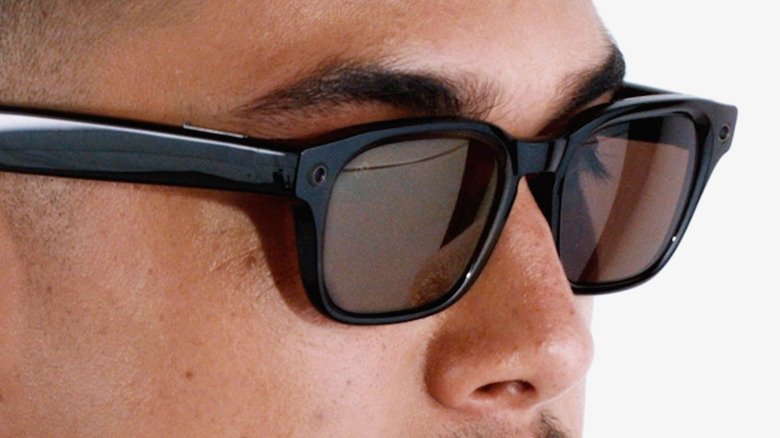
MENLO PARK, Calif. — Meta Platforms Inc. will add an FDA-cleared hearing enhancement feature to its AI-powered smart glasses for people with mild-to-moderate hearing loss, but the software will not be supported on current Ray-Ban Meta models at launch.
Announced at Meta’s annual Meta Connect conference, the update will turn supported glasses into over-the-counter (OTC) hearing assistance tools later this year. Users can buy the feature for a one-time charge of $149 or access it through an ongoing Meta One subscription. Meta is offering a 30-day trial before purchase.
Wearers will configure the software at home and can operate it hands-free with voice prompts, including, “Hey Meta, start Hearing Enhancement,” to turn amplification on or off. FDA clearance allows consumers to set up and use the service at home without a professional hearing exam or a prescription from an audiologist.


The feature is designed for people with mild to moderate hearing loss who might otherwise use entry-level personal sound amplification products or traditional hearing aids. Its costs are eligible for reimbursement through tax-advantaged Health Savings Accounts (HSAs) and Flexible Spending Accounts (FSAs), subject to individual insurance carrier policies.
Meta’s hearing update builds on Conversation Focus, a standard software feature that suppresses background noise and elevates speech clarity in crowded venues. The company is among a growing group of technology firms using the FDA’s October 2022 regulatory framework, which established a formal OTC category for hearing aids to increase accessibility and lower costs for an estimated 30 million Americans with age- or noise-related hearing loss.
Meta also announced updates to Detailed Responses, which uses onboard cameras and multimodal artificial intelligence to provide expanded audio descriptions of physical environments for blind and low-vision wearers. The company outlined customizable audio profiles and expanded physical and voice control settings across its wearable devices.








One Comment