Lockheed Will Spend $7 Billion of Its Own Money to Keep Building F-35s for a Decade
The seller is paying for the order. Here's the arithmetic of what that costs — and what it buys.
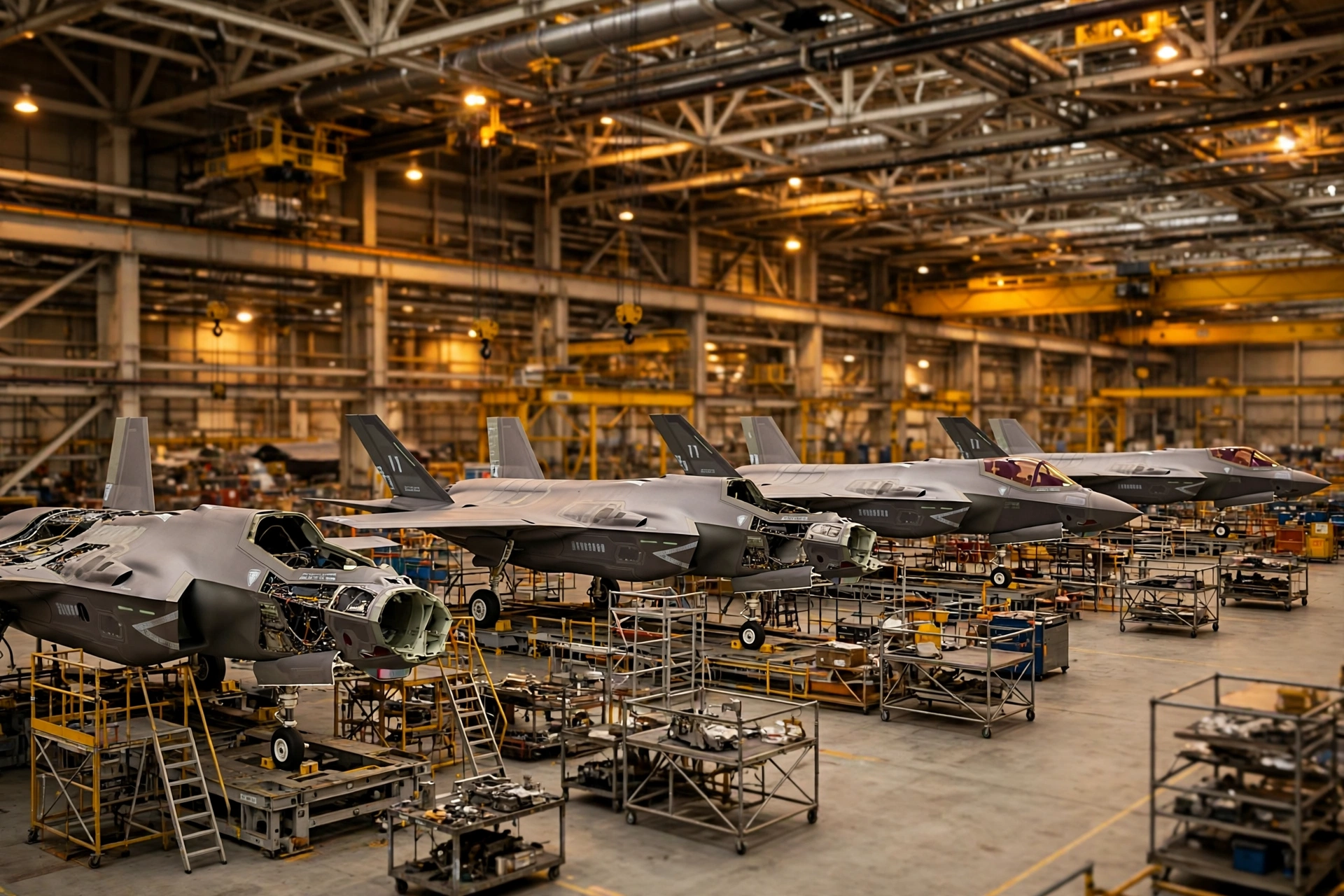
On the same day Lockheed Martin told investors its next F-35 production contract had slipped into 2027, the Pentagon announced the company’s answer. At least $7 billion of Lockheed’s own money, committed to keeping the fighter’s production line certain for the next decade.
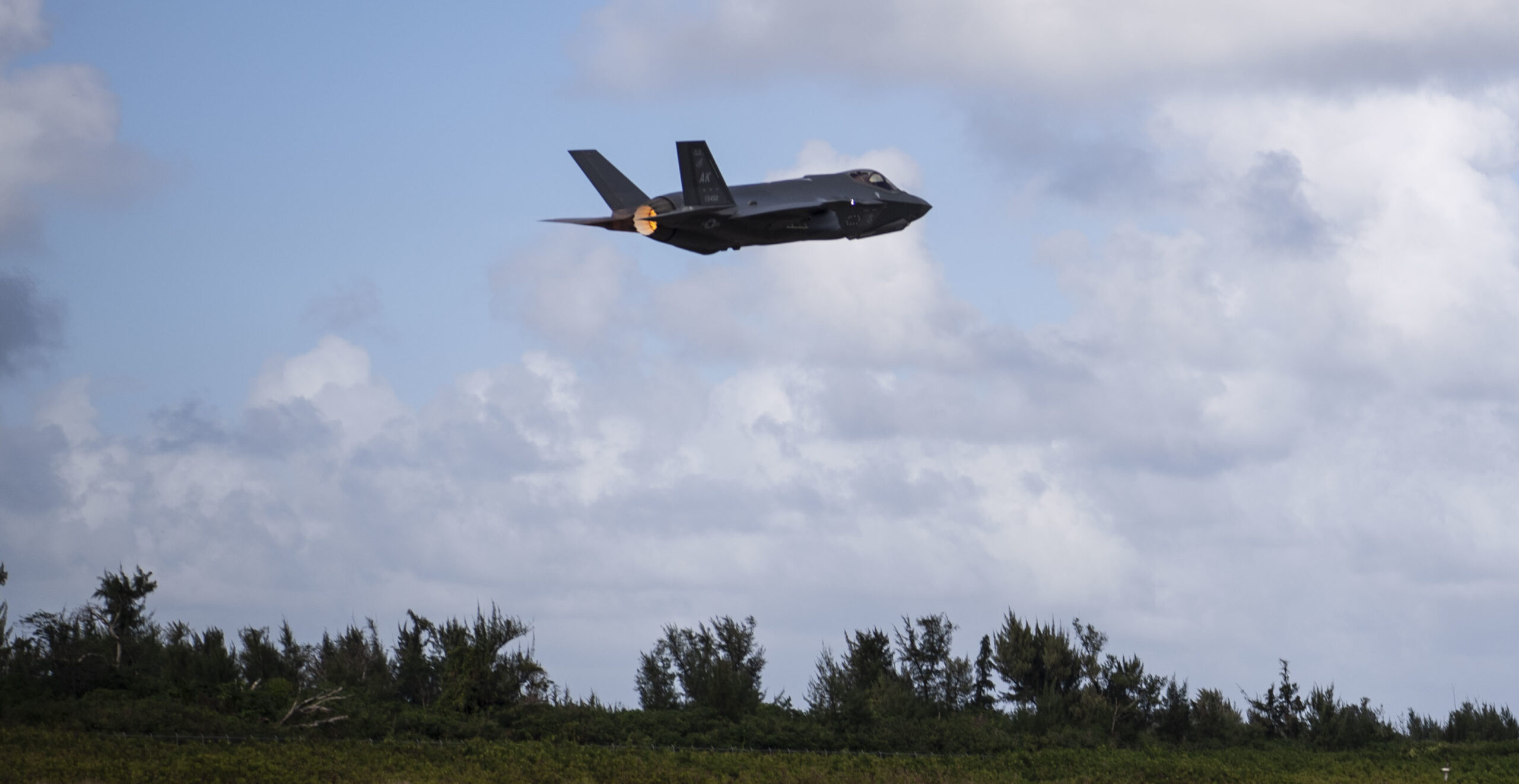
The phrase in the Pentagon’s release is “self-fund.” It isn’t a payment to the government. The money goes into capacity, efficiency and the supply chain, Lockheed’s own production ecosystem, and the company can only justify spending it because the demand is now promised for ten years. Chief executive Jim Taiclet put it in the careful language of the release: “With the greater certainty that comes from the U.S. government’s transformative approach to F-35 production and sustainment, we can make the upfront investments needed to expand capacity, improve efficiency, and build a more resilient supply chain.”
That ecosystem is mostly other companies. Taiclet told analysts Thursday that at least 60 percent of an F-35’s content comes from suppliers. Northrop Grumman builds the center fuselage. BAE Systems builds the aft. The $7 billion is, in effect, Lockheed buying stability for a supply chain it doesn’t own, from the only customer that can promise a decade of work.


The framework promises at least 850 American jets at 156 a year. That rate implies roughly 1,560 airframes across the whole line: the U.S. order is about 55 percent of it, with foreign buyers filling the rest and, Lockheed says, sharing the economies of scale. At the roughly $100 million a jet cited across the coverage, production alone is worth something like $85 billion before spares and a decade of sustainment. The $7 billion is around 8 percent of that.
Lockheed paid shareholders $6.1 billion last year, dividends plus buybacks. On Thursday it raised the quarterly dividend to $3.60 a share, the 24th straight annual increase, and it expects $7.8 to $8 billion in free cash flow this year. Seven hundred million a year. About a tenth of what it returns to owners. The pledge also arrives in the same year President Trump threatened to curb contractor payouts. Earlier this year he summoned defense chief executives to the White House to demand faster production. Lockheed has since donated to his ballroom project and spent more than $5 million rebuilding a White House helipad.
Aviation creator Aaron Rheins, narrating the deal to his 680,000 Instagram followers on Thursday, put the scale more bluntly: “When finalized, the contract is expected to be worth more than $100 billion.”
The company’s aeronautics outlook was trimmed for 2026 because the Lot 20 award moved to 2027. The Pentagon’s fiscal 2027 budget asks for 85 F-35s, but 53 of them ride on a funding bill that hasn’t been introduced. The multiyear authority the framework needs is still a provision in a defense bill that isn’t law. The House version would force the Pentagon to prove 5 percent savings first. Neither chamber’s bill authorizes the sustainment half of the deal at all.
Lockheed says the arrangement will support 317,000 American jobs and $79 billion a year in economic activity. That works out to roughly $249,000 of activity per job, or about 200 jobs for every jet that comes off the line in a year.
Lot 20, the batch Lockheed is building toward now, has no signed agreement. Executives said Thursday it won’t get one until next year.