

LA28 Torch Relay to Begin in Atlanta, Linking 2028 Games to Historic 1996 Ceremony
Nationwide route covering all 50 states aims to replicate emotional impact of 1996 Muhammad Ali handoff while addressing modern logistical challenges
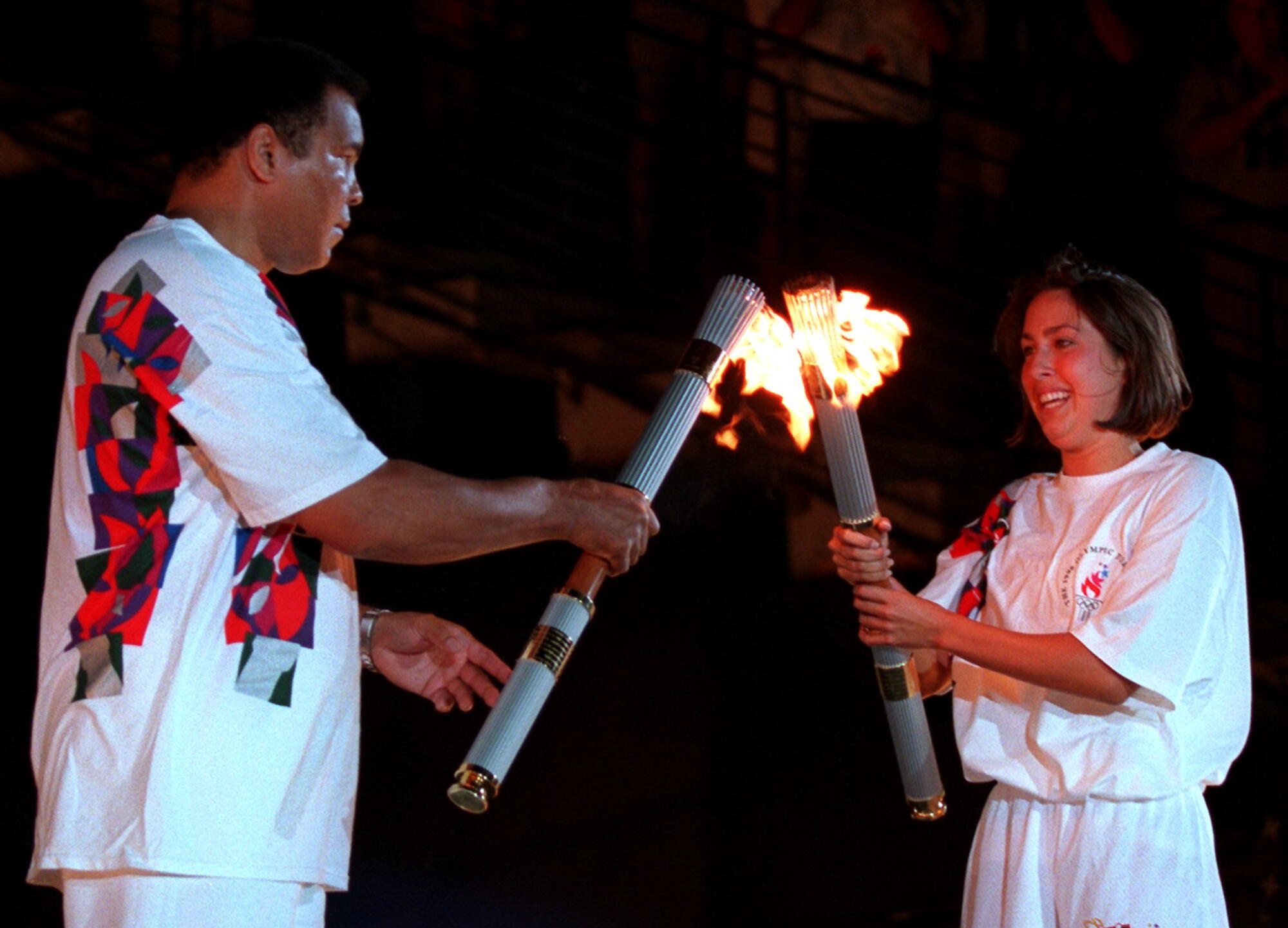
The U.S. segment of the 2028 Olympic torch relay will commence in Atlanta, a strategic decision by LA28 organizers to physically and symbolically bridge the upcoming Los Angeles Games with the last Summer Olympics held on American soil. The announcement confirms that the flame’s domestic journey will culminate on July 14, 2028, at the opening ceremony in Los Angeles, following a nationwide tour covering all 50 states.
By initiating the American leg in Georgia rather than California, organizers are deliberately invoking the legacy of the 1996 Atlanta Games. That relay is historically significant for its emotional climax during the opening ceremony, when swimmer Janet Evans passed the flame to Muhammad Ali. The moment, which occurred as Ali visibly trembled from Parkinson’s disease, remains one of the most enduring images in modern Olympic history and established a benchmark for ceremonial gravity that LA28 now seeks to honor.
Evans, who currently serves as LA28’s chief athlete officer, has cited that specific exchange as transformative. While elite swimmers traditionally avoid opening ceremonies to preserve rest for competition, Evans was persuaded to participate based on assurances that the experience would outweigh any competitive achievement. Her subsequent role in the relay underscores how LA28 is integrating institutional memory into current planning, utilizing veterans of past U.S. Games to guide cultural and logistical execution.


The 2028 relay represents a significant expansion in geographic scope compared to previous domestic relays. The 1996 route traversed 42 states, whereas the upcoming itinerary is designed to reach every state, emphasizing rural communities and smaller municipalities alongside major metropolitan hubs. This approach reflects guidance from Atlanta organizers regarding the disproportionate impact the flame carries in areas rarely visited by global sporting events. The full route map is scheduled for release in 2027.
This ceremonial planning proceeds against a backdrop of intense operational scrutiny. With less than two years remaining until the Games, LA28 Chairman Casey Wasserman has acknowledged the pressure to finalize logistics while securing outstanding transportation funding. Unlike host cities that construct permanent infrastructure years in advance, Los Angeles relies heavily on existing venues, meaning a larger proportion of expenditure and organizational risk is concentrated in the final delivery phase. Confirming high-profile elements like the torch relay signals a transition from strategic planning to tangible execution.
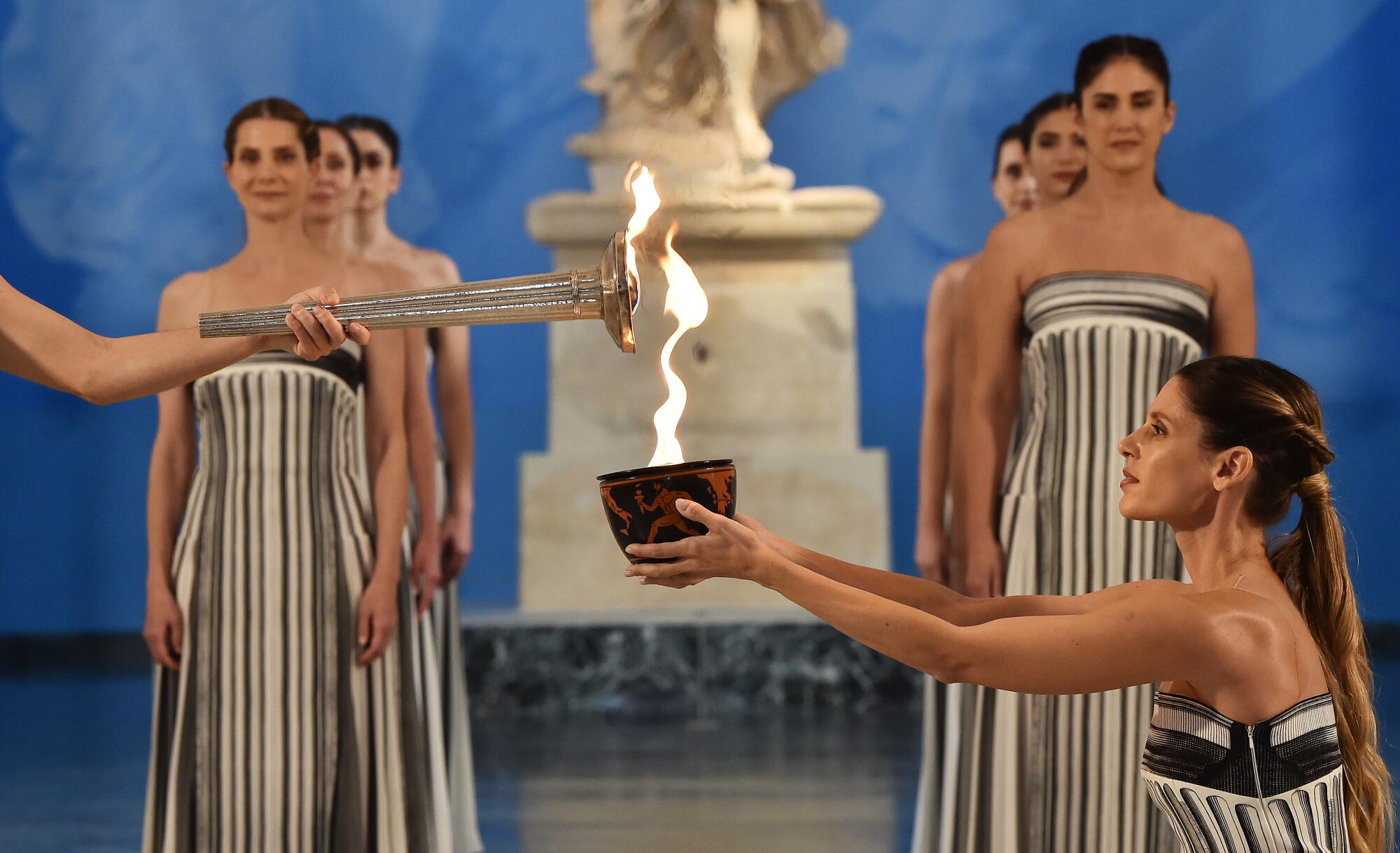
The tradition of the Olympic flame dates to the ancient Games in Olympia, Greece, where it will be ignited using sunlight and a parabolic mirror before traveling to the United States in spring 2028. Since the modern relay was instituted at the 1936 Berlin Games, the flame has been transported via diverse methods ranging from spacecraft to underwater divers. For 2028, thousands of torchbearers will be selected through a nomination process that LA28 expects to detail in coming months.
While the identity of the final cauldron lighter remains a closely guarded secret, organizers have ruled out replicating the physically demanding ascent undertaken by decathlete Rafer Johnson at the Los Angeles Memorial Coliseum in 1984. Johnson climbed 99 steps to ignite the cauldron, an exertion he later advised against repeating. The selection of the final torchbearer typically balances athletic achievement with broader cultural resonance, continuing a practice where hosts use the ceremony’s finale to articulate their vision for the Games.









