Instagram Read-Only Mode: What the Leaked Feature Reveals
The unreleased Instagram Plus feature would disable interactions and hide user activity, prompting fresh scrutiny over subscriber-only privacy tools.

Meta engineers are exploring a browsing option for Instagram that would let users scroll through profiles without generating any visible activity, raising immediate questions about how the platform intends to prevent harassment and stalking.
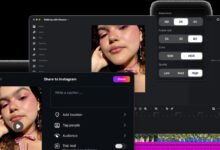
Reverse engineer Alessandro Paluzzi uncovered code references and interface mockups on X describing a “read-only mode” tied to Instagram Plus, the company’s paid subscription tier. The screenshots indicate that activating this session disables the ability to like posts, leave comments, send direct messages, follow accounts, or view Stories. In effect, the user becomes a ghost on their own feed, consuming content while leaving no digital footprint for others to detect.
An Instagram spokesperson confirmed to Engadget that the concept is strictly an internal exploration and is not undergoing external testing. Meta routinely prototypes features that never reach production, but the specific architecture of this tool suggests it was designed with privacy-conscious subscribers in mind rather than as a general safety toggle.

The distinction between passive browsing and undetectable surveillance is thin on social media. Unlike blocking or restricting an account — tools Instagram already provides to limit unwanted contact — a read-only mode fundamentally alters the visibility contract between users. Currently, actions such as liking a photo or viewing a Story alert the recipient to another user’s presence. Removing those signals benefits individuals who want to audit their own feeds discreetly, but it equally arms bad actors seeking to monitor targets without detection.
Instagram Plus launched in 2023 primarily as a verification product, offering the blue checkmark alongside exclusive customization options like custom sticker packs and priority customer support. Bundling a stealth-browsing capability into a paid tier would mark a significant shift in Meta’s monetization strategy, effectively selling advanced anonymity as a premium perk. Competitor platforms have experimented with similar mechanics; LinkedIn allows premium members to browse profiles anonymously, though that network operates on professional norms vastly different from Instagram’s visual and personal ecosystem.
Digital safety advocates have long pressured Meta to address the platform’s role in facilitating cyberstalking and domestic abuse monitoring. Features that strip away interaction logs complicate the evidentiary trail victims rely on when reporting harassment to law enforcement or seeking restraining orders. If Meta advances this prototype beyond internal servers, integrating robust safeguards — such as preventing restricted or blocked accounts from bypassing those barriers via read-only sessions — would be a baseline requirement rather than an optional enhancement.
No timeline exists for a public rollout, and the feature may ultimately be discarded during internal review. Meta continues to expand the utility of its subscription services across Facebook and Instagram, testing new value propositions to drive recurring revenue amid broader advertising market fluctuations.