Houthi Offensive Seizes Yemen’s Red Sea Choke Point
Mokha’s capture disrupts global energy routes as Yemen’s humanitarian crisis deepens
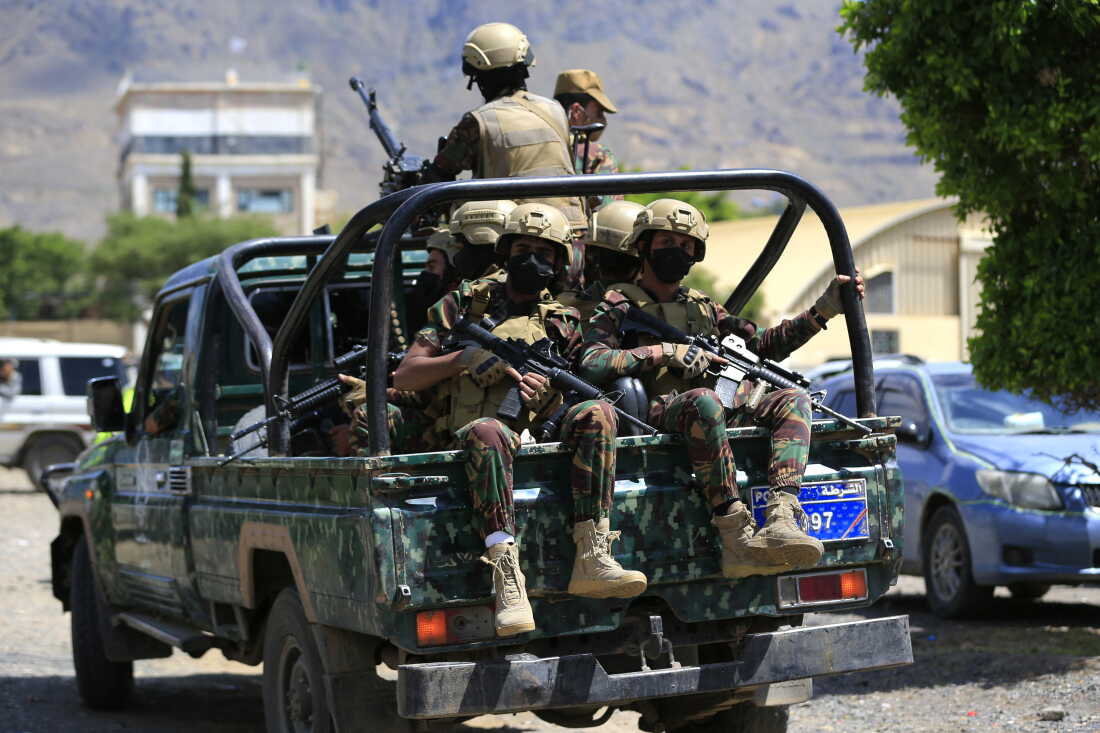
More than 125,000 civilians were displaced in just days after Houthi forces launched a sweeping offensive along Yemen’s western coastline. The advance shattered a multi-year ceasefire and sent international Brent crude benchmarks above $100 a barrel.
The United Nations World Food Programme (WFP) said the sudden offensive overwhelmed local infrastructure in the southwestern governorate of Taiz. Most local medical facilities suspended operations as civilian families fled advancing combat lines.
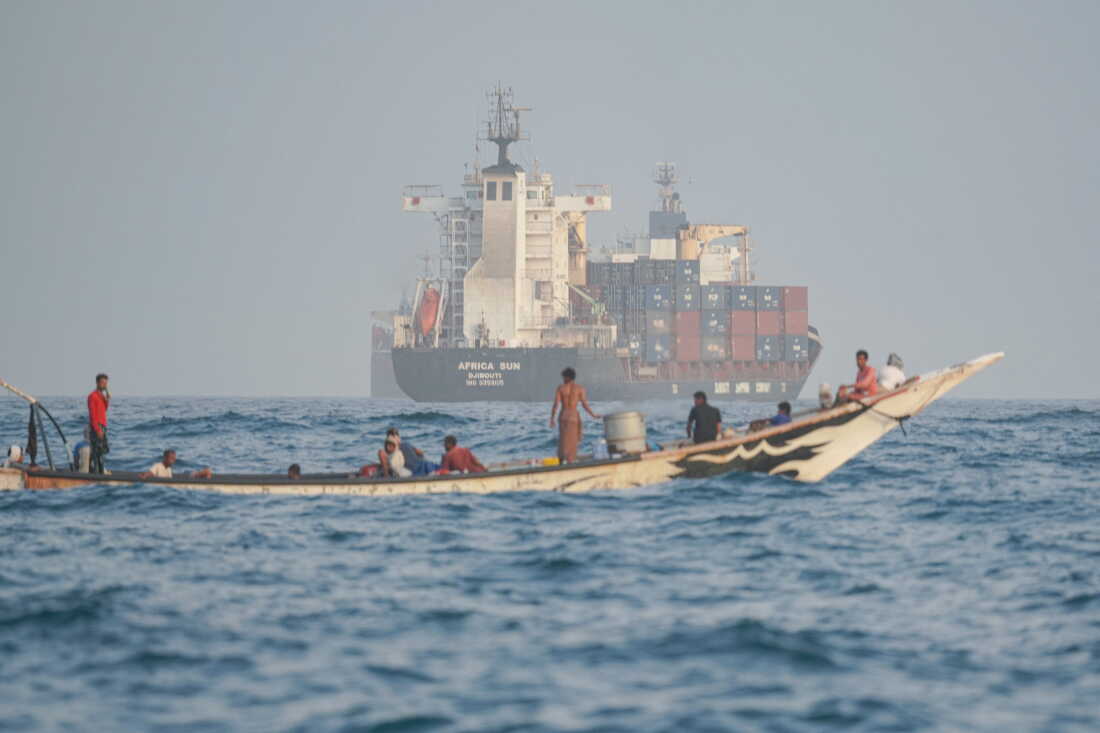


Houthi military spokesperson Yahya Saree confirmed the capture of the strategic Red Sea port of Mokha and several islands commanding the entrance to the Bab el-Mandeb Strait. The Iran-aligned movement also seized roughly 2,100 square miles (5,400 square kilometers) of surrounding coastal territory.
At its narrowest point between the Arabian Peninsula and the Horn of Africa, the Bab el-Mandeb measures just 18 miles wide. Approximately 10 percent of global seaborne petroleum passes through the waterway, which serves as the primary gateway to the Suez Canal.
Saudi-backed government troops abandoned armored vehicles and equipment while retreating from Mokha. The territorial collapse was swift on the ground in southwestern Yemen, leaving thousands of civilian families in the path of the combat lines.
Senior Houthi official Mohammed al-Bukthi stated that the movement was enforcing a naval blockade against Saudi-flagged crude oil carriers passing through the Bab el-Mandeb. He said the effort was intended to force Saudi Arabia to lift its long-standing air and sea restrictions on Houthi-held territories.
The offensive is the most significant territorial shift in Yemen’s long-running civil war since a United Nations-brokered truce in April 2022 halted large-scale offensive operations.
The maritime campaign coincided with targeted strikes against land-based energy infrastructure across the Arabian Peninsula. Saudi Arabia reported that Iran-backed armed groups operating from Iraq launched coordinated drone attacks against pumping stations along its East-West Pipeline.
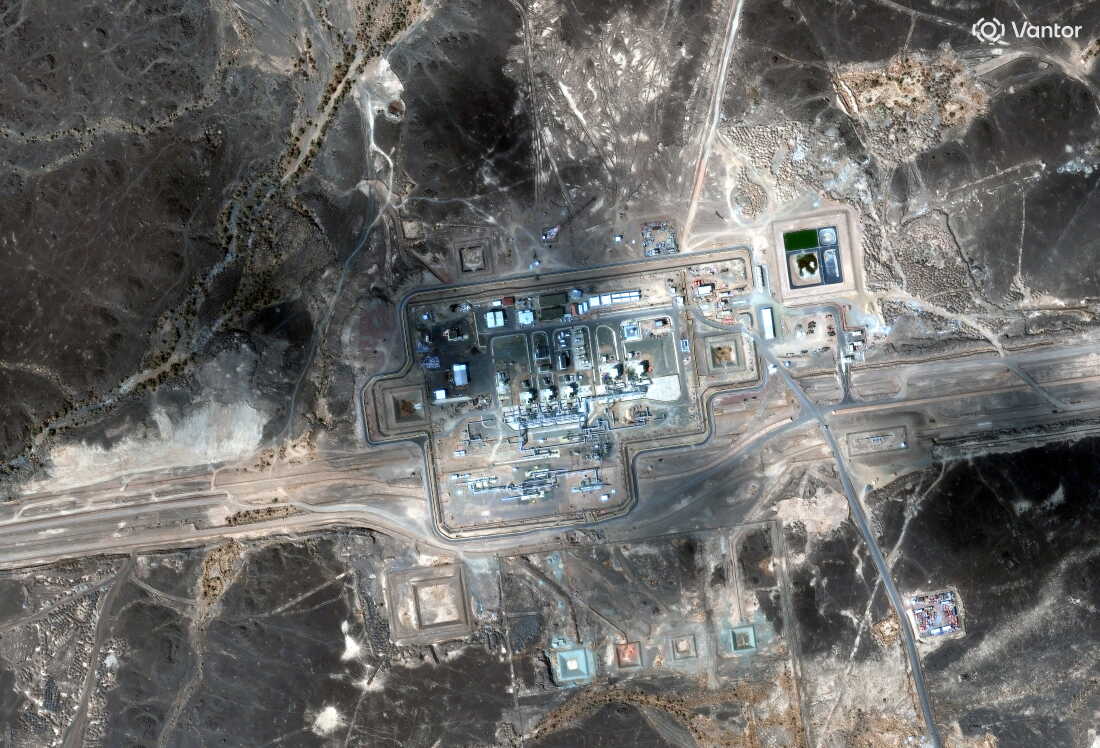
The 746-mile cross-country pipeline can transport roughly 5 million barrels per day. It was built to carry crude from Saudi Arabia’s Eastern Province to the Red Sea port of Yanbu, allowing the country to bypass maritime choke points in the Strait of Hormuz.
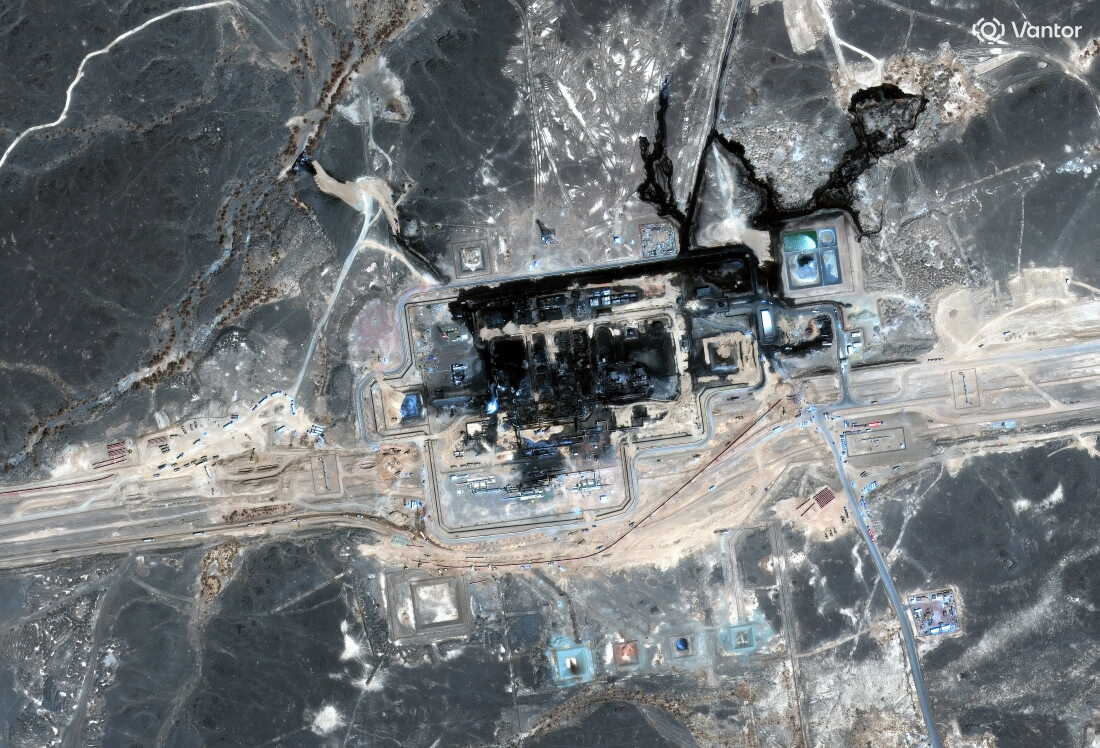
Satellite imagery captured after the strikes showed extensive physical structural damage to key pumping facilities along the pipeline corridor. The disruptions to maritime transit and land-based infrastructure drove global energy markets higher, while domestic U.S. diesel fuel prices reached historic record highs.
Saudi Arabia responded to the Houthi surge with hundreds of airstrikes across western Yemen, targeting Houthi positions and military build-ups. Houthi forces, however, demonstrated expanding anti-aircraft and long-range strike capabilities.
The movement published footage showing the downing of a U.S.-manufactured Saudi F-15 fighter jet and launched ballistic missiles toward the Saudi capital of Riyadh. It was the first direct missile attack on the capital city in several years.
In a video message, Houthi leader Abdul-Malik al-Houthi claimed that civilian populations were not the intended target. He asserted that the attacks focused strictly on Saudi air bases and energy assets that fund coalition military operations.
Backchannel diplomatic discussions took place in Oman between Houthi representatives and White House officials, according to a Saudi official speaking on condition of anonymity. Houthi negotiators offered assurances that their naval interdictions would focus exclusively on Saudi shipping and promised not to target U.S. or Israeli vessels, as they had during previous maritime operations during the war in Gaza.
Following the briefings, Washington deployed additional military intelligence personnel and tactical advisors to Saudi Arabia to assist in mapping Houthi weapons depots and planning defensive operations.
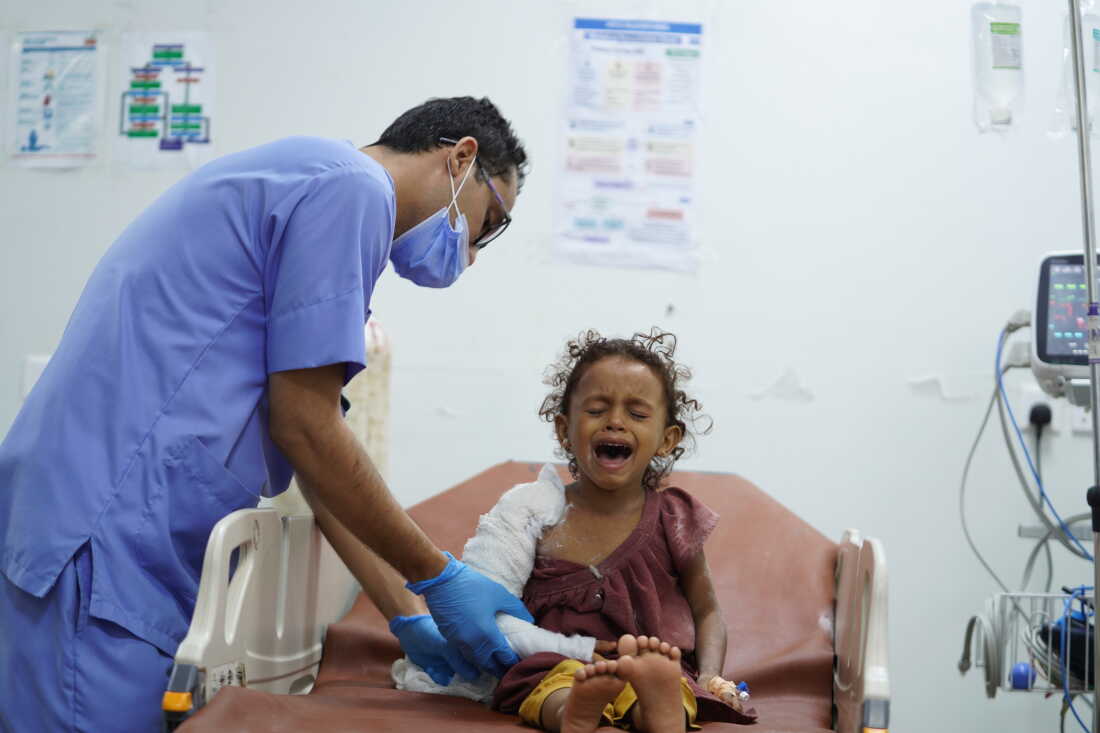
Mokha General Hospital remains one of the few functional health centers in the area and is operating under severe logistical strain. “There are pregnant women who need urgent care. There are women who need cesarean sections. There are children who need treatment and patients with medical conditions who simply cannot wait,” said Sarah Ahmed, a health promotion supervisor with Doctors Without Borders (MSF).
Medical staff have been forced to restrict care exclusively to life-saving emergency procedures and the hospital’s neonatal intensive care unit.
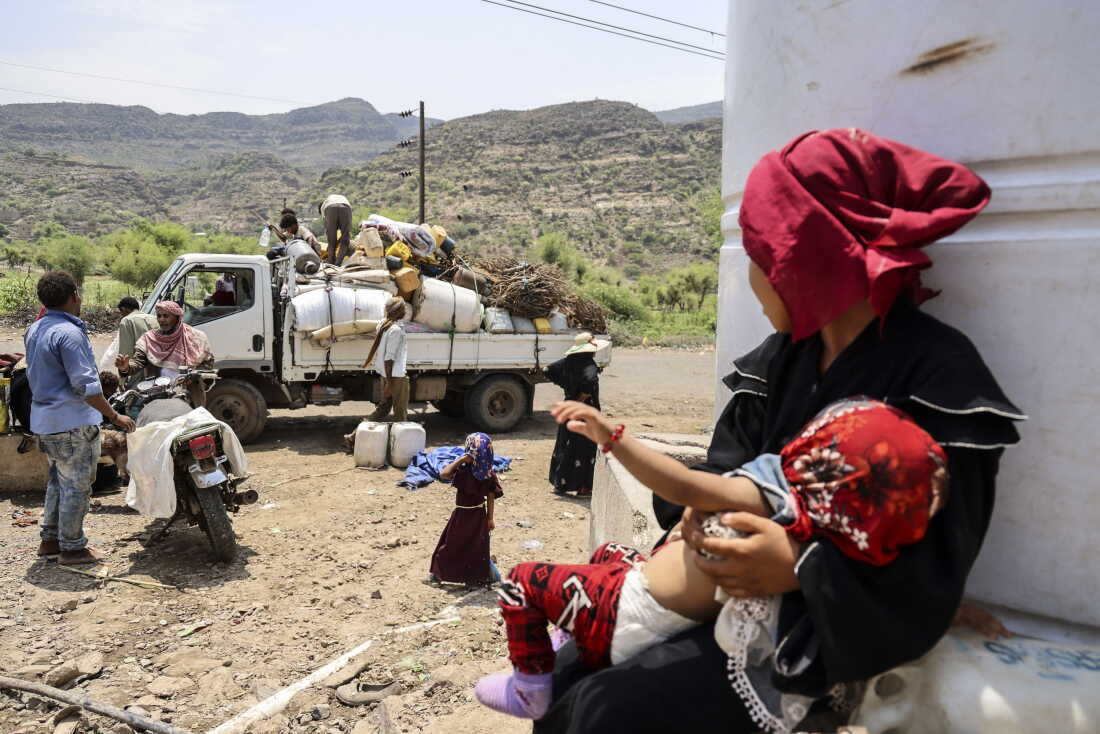
The World Health Organization (WHO) confirmed that main transport arteries linking Mokha to the government administrative stronghold of Aden are under active artillery and missile fire. The attacks are preventing emergency patient transfers and threatening to isolate the city of Taiz entirely.
Francesco Galtieri, representative for the United Nations Population Fund (UNFPA) in Yemen, said approximately 2,000 pregnant women are among those actively fleeing combat zones without access to basic maternal healthcare.
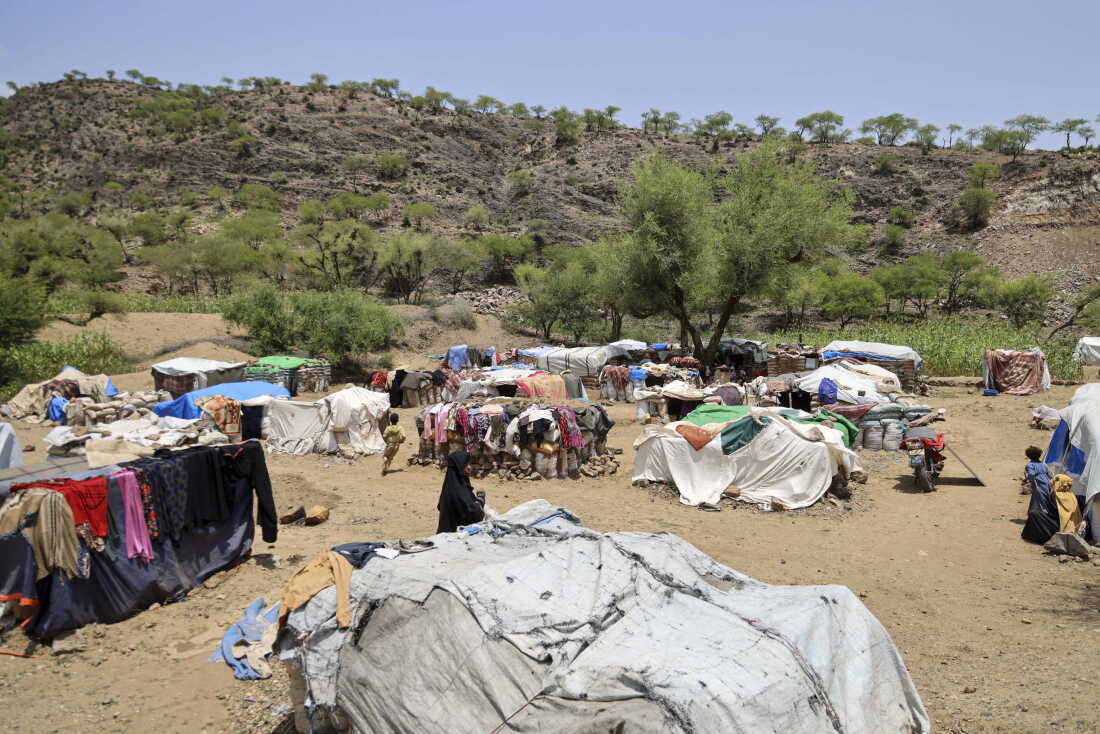
Humanitarian relief agencies, including the Norwegian Refugee Council (NRC), are attempting to erect makeshift shelter camps across Taiz governorate. NRC advocacy advisor Alison Bottomley said existing camps are completely saturated, leaving displaced families sleeping along roadsides and under trees.
In the southern al-Maafer district, aid worker Mohammed Radman of Human Access reported that more than 6,000 newly displaced families had arrived at informal camps housing 10,000 established refugees.
The United Nations reports that its annual humanitarian response plan for Yemen is only 20 percent funded. The financial deficit is limiting the capacity of aid agencies to deliver emergency food, clean water, and shelter materials.
Yemen’s civil conflict began in late 2014, when Houthi forces seized the capital, Sanaa. A Saudi-led coalition intervened militarily in March 2015.
Over more than a decade of fighting, hundreds of thousands of people have died through direct violence, disease, and starvation. An estimated 22 million people—more than two-thirds of Yemen’s population—need humanitarian aid.
With overland escape routes blocked by frontline fighting, more people are leaving Yemen by sea. The U.N. International Organization for Migration (IOM) and the U.N. Refugee Agency (UNHCR) reported that more than 2,400 people, predominantly women and children, fled by boat across the Gulf of Aden over a four-day period last week, seeking refuge in Djibouti.