DOJ Wraps St. Louis Crime Surge With 435 Arrests, 166 Guns Seized
Agents seized 166 firearms, 80 kilos of drugs and six machine gun conversion devices during the two-month multi-agency task force.
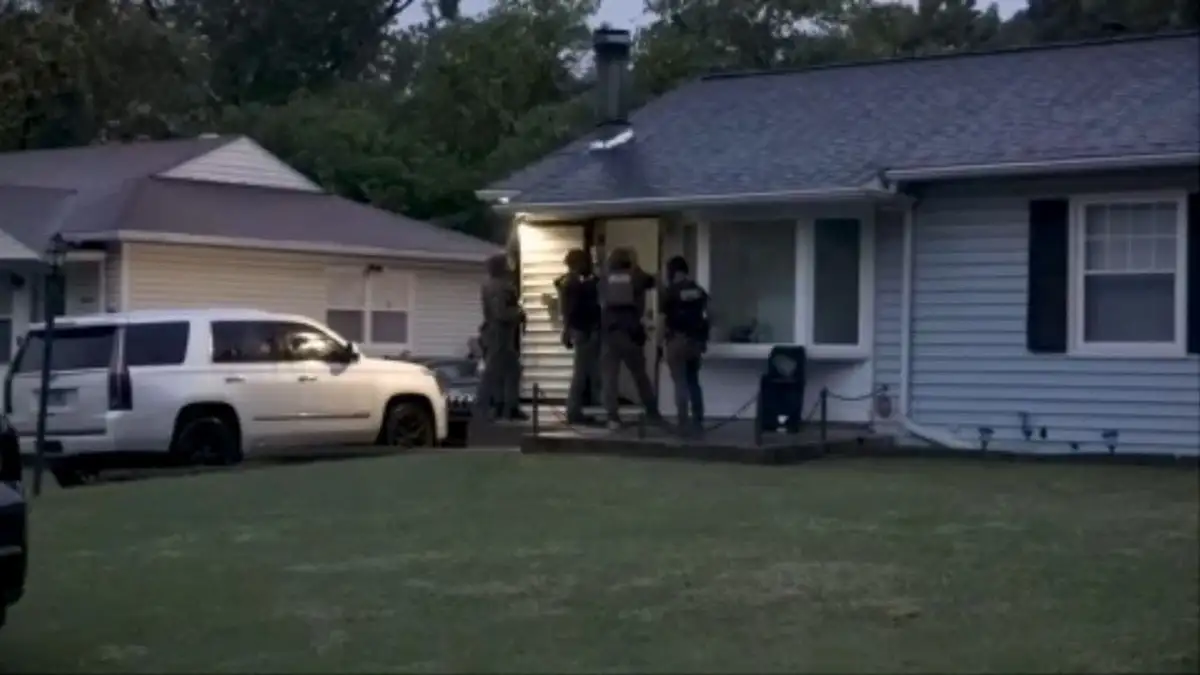
Federal agents arrested 435 people and seized 166 illegal firearms during a two-month law enforcement surge in St. Louis that concluded Thursday, capping the latest phase of an expanding national strategy to deploy federal resources into cities grappling with violent crime.
Operation Show Me Justice ran from August through mid-October, drawing personnel from the U.S. Marshals Service, the Bureau of Alcohol, Tobacco, Firearms and Explosives, the Drug Enforcement Administration and the St. Louis Police Department. Acting Deputy Attorney General Trent McCotter detailed the results alongside Sen. Eric Schmitt, R-Mo., framing the operation as a replicable model for other jurisdictions.
Of the 435 total arrests, 412 involved individuals with pre-existing outstanding warrants, many carrying multiple unresolved charges across drug and firearm offenses. Agents recovered 80 kilograms of narcotics, six machine gun conversion devices and more than $1 million in cash.
Machine gun conversion devices, frequently referred to as Glock switches or auto-sears, have become a primary focus for the ATF in recent years. These small, often 3D-printed components can convert standard semi-automatic handguns into fully automatic weapons in seconds. The DOJ has prioritized dismantling the supply chains feeding these devices into urban street markets, where they dramatically increase the lethality of gang disputes and armed robberies.
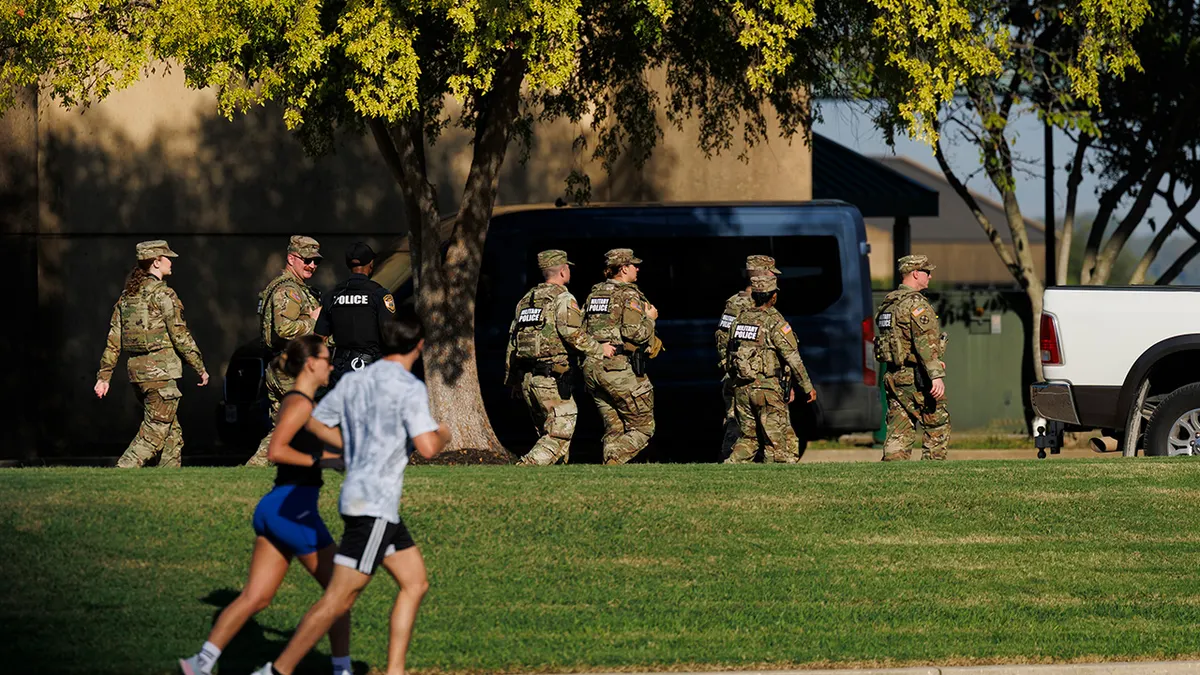
The St. Louis deployment is part of a broader sequence of targeted federal interventions launched over the past year. Similar multi-agency task forces have operated in Washington, D.C., and Memphis, Tennessee, where National Guard troops began patrolling streets in October 2025 under a federal task force directive aimed at suppressing violent crime.
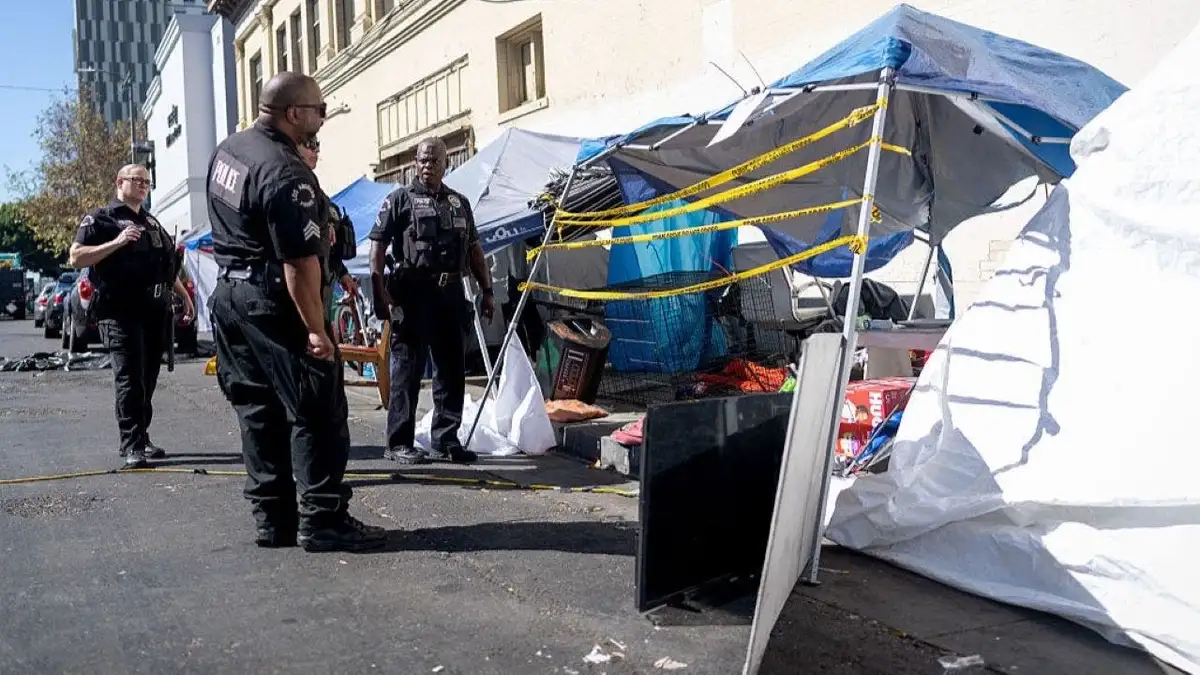
Roughly one week before the St. Louis announcement, federal prosecutors executed a parallel crackdown in Los Angeles. Operation Save Skid Row mobilized more than 100 law enforcement vehicles to serve 28 arrest warrants and 44 search warrants targeting entrenched drug distribution networks in downtown LA.
That operation focused on specific street gangs, including the Main Street Crips, the Grape Street/Raymond Avenue Crips and the Pueblo Bishop Bloods. First Assistant U.S. Attorney Bill Essayli linked the takedown directly to the proliferation of open-air fentanyl markets, arguing that aggressive retail-level drug dealing sustains the severe addiction cycles visible among the city’s unhoused population.
These municipal surges mirror tactics previously tested in Chicago, where the FBI announced 305 arrests and the recovery of 24 missing children earlier this year during Operation New Dawn. The consistent operational blueprint relies on pairing federal warrant execution authority and intelligence databases with local police knowledge of neighborhood-level offenders.
McCotter used the St. Louis briefing to issue a direct appeal to mayors, governors, city councils and police chiefs nationwide, urging them to formally request similar federal partnerships rather than relying solely on municipal budgets and local patrol officers to manage violent crime spikes.
The DOJ has also expanded its geographic reach beyond the continental United States. Federal authorities recently indicted 81 alleged gang members following a major drug trafficking takedown in Puerto Rico, signaling that the current enforcement push encompasses both domestic street-level interdiction and international cartel supply routes.
Thursday’s press conference in St. Louis marked the formal end of Operation Show Me Justice, with federal agents transitioning back to standard operations while local authorities process the backlog of hundreds of new detainees entering the criminal justice system.