Ford Scrapped Mustang Dark Horse Boss for One Simple Reason
Why the supercharged S650 Mustang rejected the Boss badge and stayed within the Dark Horse family
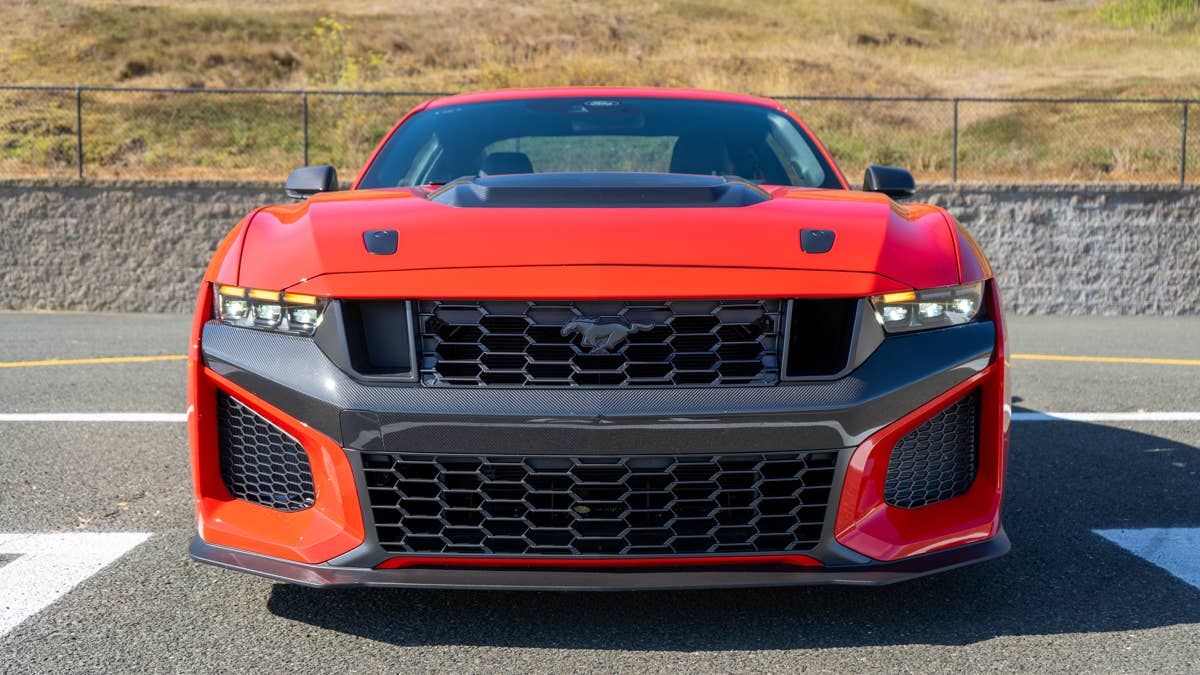
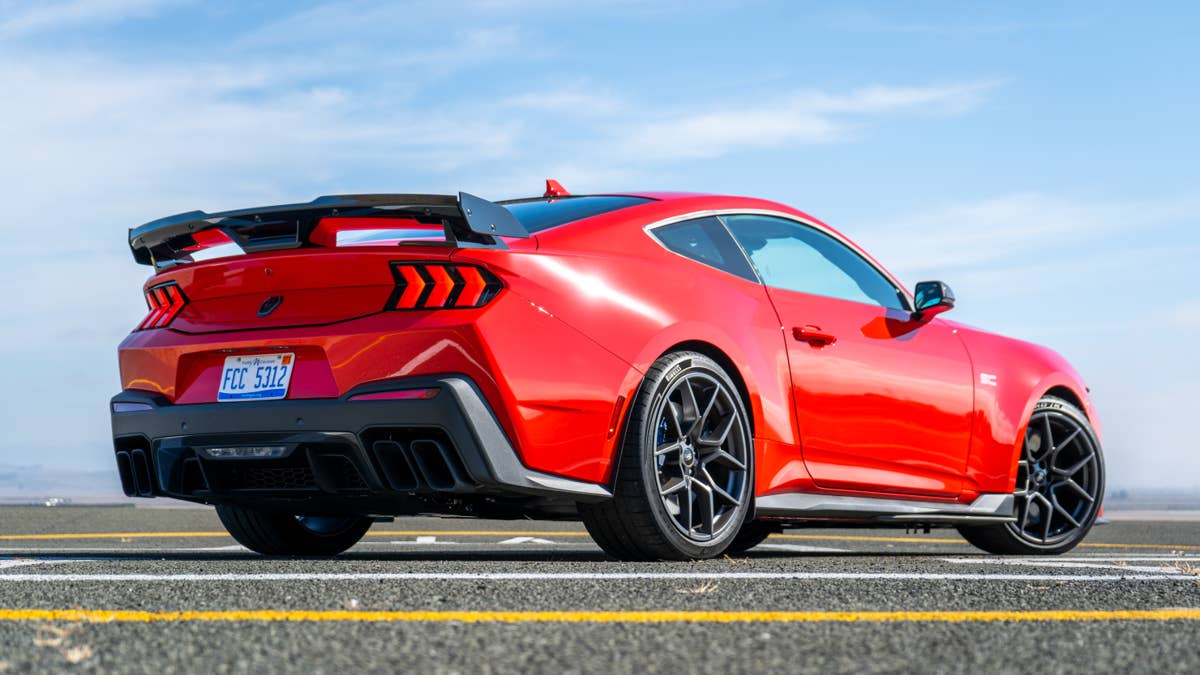
Ford nearly badged its new supercharged Mustang Dark Horse as the “Dark Horse Boss.” The Blue Oval reportedly filed a trademark for the name, only to abandon it. Sources familiar with the matter told Ford Authority that “Horse Boss” created an awkward phrase Ford did not want attached to the production car.
The Boss name carries serious weight in Mustang history. Ford launched the Boss 302 and Boss 429 in 1969. The 302 targeted SCCA Trans-Am racing, and the 429 existed to qualify the 429-cubic-inch V8 for NASCAR. The name returned for 2012 and 2013, when the Mustang GT’s 5.0-liter V8 got stiffer suspension and track hardware. Reviving it on the S650 would have connected the new supercharged model to that lineage.
Instead, the badge stays within the Dark Horse family. The name signals a factory supercharger and keeps the car under Ford Racing, Ford’s motorsport and performance division.
Cole Attisha
Ford also declined to revive the Shelby GT500 name. Previous GT500 models combined supercharged V8 power with a reputation for high output. Using Shelby again would have triggered licensing fees Ford apparently wanted to avoid, keeping the performance badge entirely within its own control.
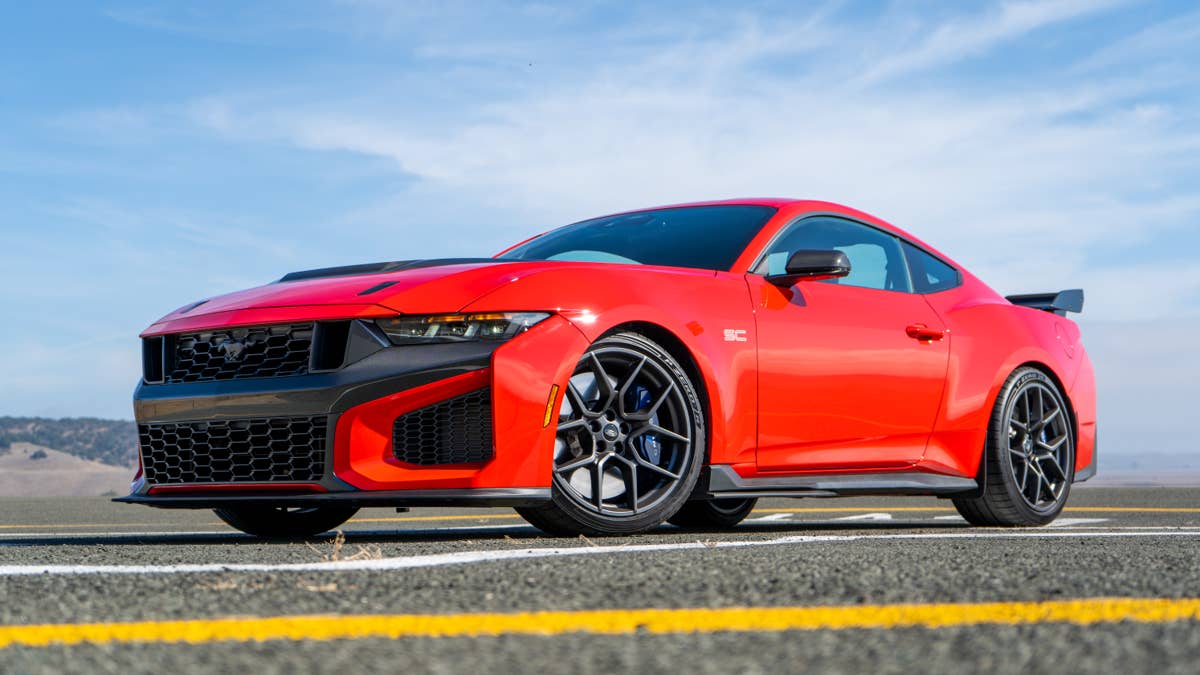
The S650-generation Mustang now carries this supercharged variant alongside the naturally aspirated Dark Horse and the standard GT. The Dark Horse SC sits above the GT in the performance hierarchy without reopening negotiations over Shelby’s trademark.
Enthusiasts may still debate whether Dark Horse Boss would have worked. For now, the company has settled on Dark Horse SC.
Cole Attisha
View the 4 images of this gallery on the
original article