BMW i3 754-Mile Chinese Test Exposes Battery Gap
Chinese i3 50L reaches 753.7 miles on a larger battery pack
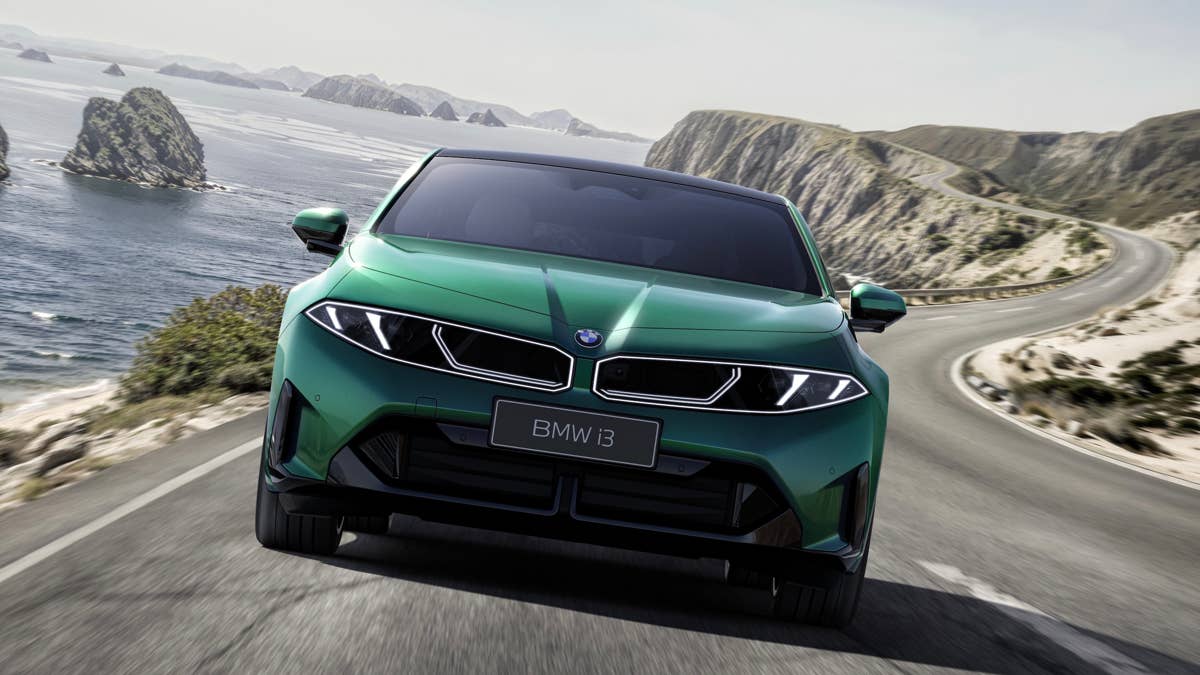
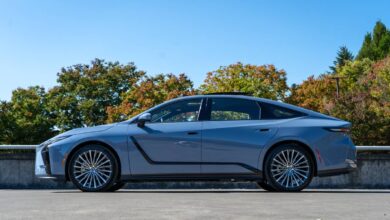
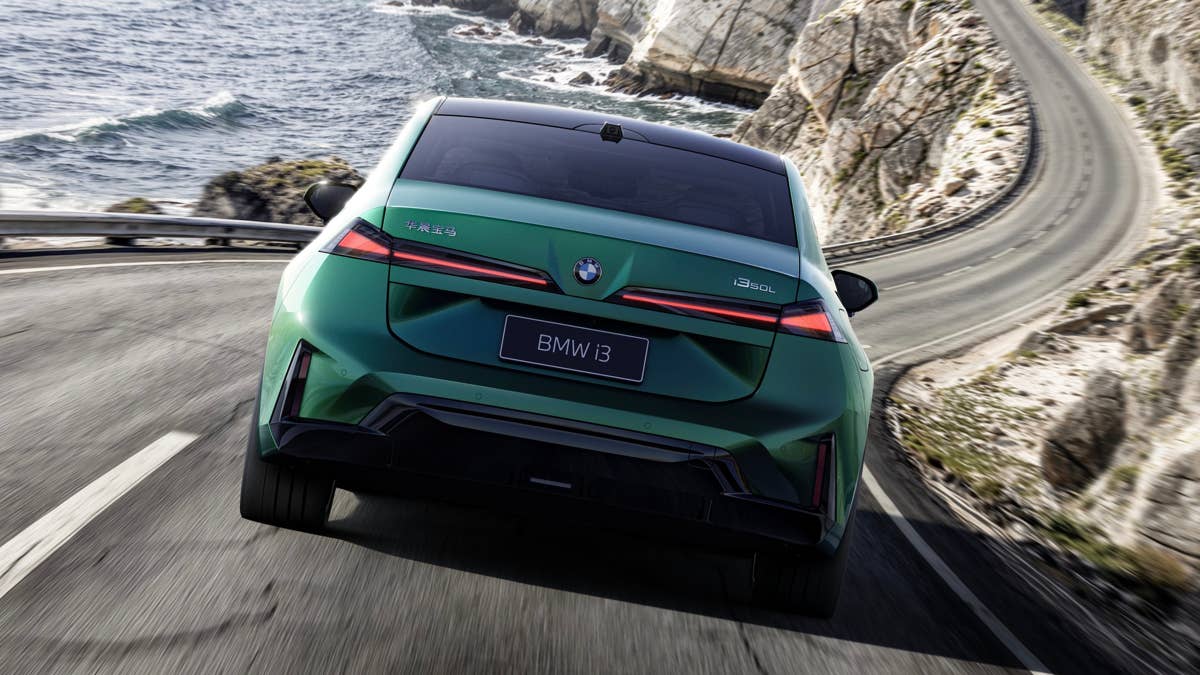
BMW China recently drove an i3 50L 1,213 kilometers on a single charge, arriving with 1% battery remaining. The company described the route as spanning highways, city streets, and provincial roads. In imperial units, that is 753.7 miles, a figure that dwarfs both the European WLTP claim of 559 miles and the U.S. EPA estimate of 440 miles for the global sedan.
There is one catch, and it is substantial. The China-built i3 50L uses a different battery composition than the versions sold elsewhere. BMW has not published the chemistry or the pack capacity for that test car, and the automaker itself flagged the discrepancy. The result is less a breakthrough in efficiency than a demonstration of how battery packaging shapes the range numbers that customers actually see.
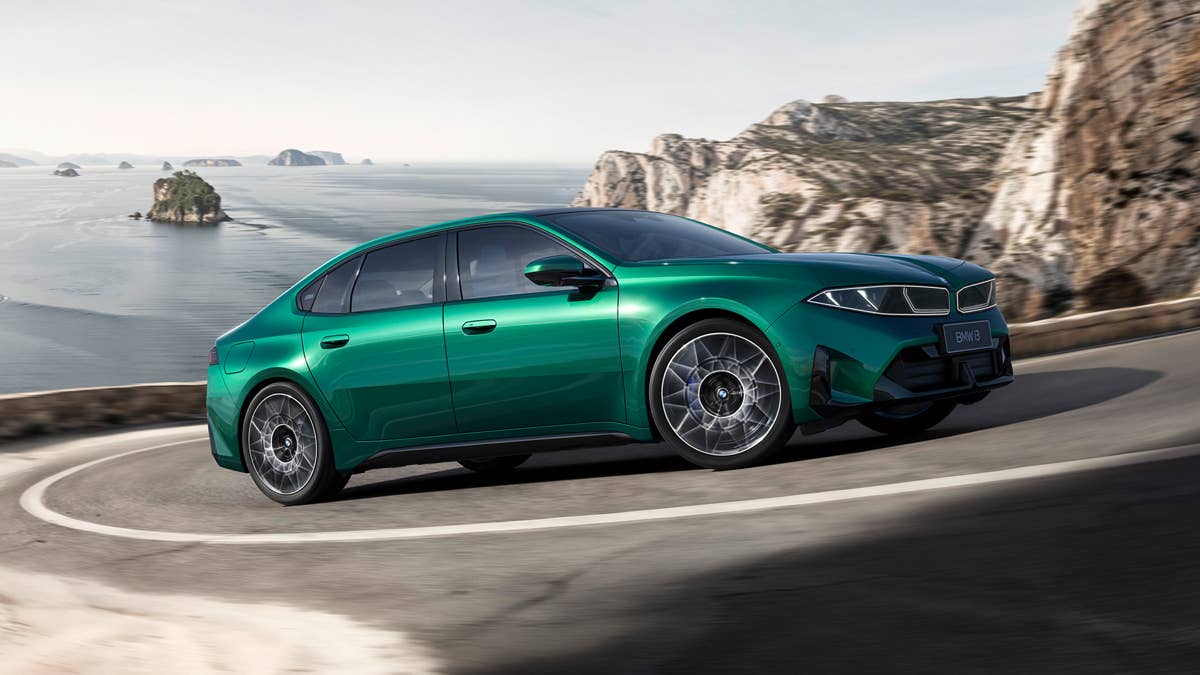
The i3 50L is one of two variants BMW offers in China, where buyers favor stretched wheelbases. Production of the China-built model began recently, and the extended body allows a larger energy store than the shorter global version. That larger pack is what makes the 753.7-mile figure possible, not a leap in drivetrain efficiency.
Europe rates the same model at 559 miles under WLTP testing. The U.S. Environmental Protection Agency runs a different cycle and arrives at 440 miles for the electric sedan. Both figures come from standardized procedures. The Chinese test did not follow either protocol, and BMW China called it a “real-world” test without publishing drive cycles, ambient temperature, or tire pressure data.
Arriving with 1% remaining is also not how normal ownership works. Most drivers top up around 20%, where charging curves are most efficient and battery wear is lower. A single extreme drive does not translate into usable daily range, and the gap between the two figures now widens the more the consumer looks at the underlying hardware.
BMW has tied the i3 and the earlier iX3 to the Neue Klasse platform, promising that the electrical architecture and battery technology will feed into future models. The company opened order books ahead of schedule on the i3 because demand outstripped its initial expectations. Range was the headline, and it remains the headline, but the headline changes depending on which battery is in the trunk.
That matters for pricing, too. A larger pack costs more, and China-spec vehicles typically carry a price premium for the extended wheelbase. Buyers in Europe or the United States will get the shorter car with a smaller pack and a lower claim. The 753.7-mile test will not be repeatable with those cars.
BMW’s broader strategy is to spread Neue Klasse technology across the lineup, including models that do not use the platform directly. The i3 is the proof of concept for the next generation of range figures. Whether the next numbers rise because of chemistry, packaging, or testing method will determine if the range gap is a marketing artifact or a real engineering gain.
BMW
BMW