FDR’s 1934 Securities Model Offers Blueprint for AI Regulation
Historical SRO framework offers alternative to direct government control or voluntary AI safety pledges
Lawmakers grappling with how to govern artificial intelligence are increasingly looking to the Securities Exchange Act of 1934 as a viable regulatory template. Rather than pursuing direct federal management or public ownership of AI infrastructure, policy experts are advocating for a modernized Self-Regulatory Organization (SRO) framework similar to the one that has overseen U.S. capital markets for nine decades.
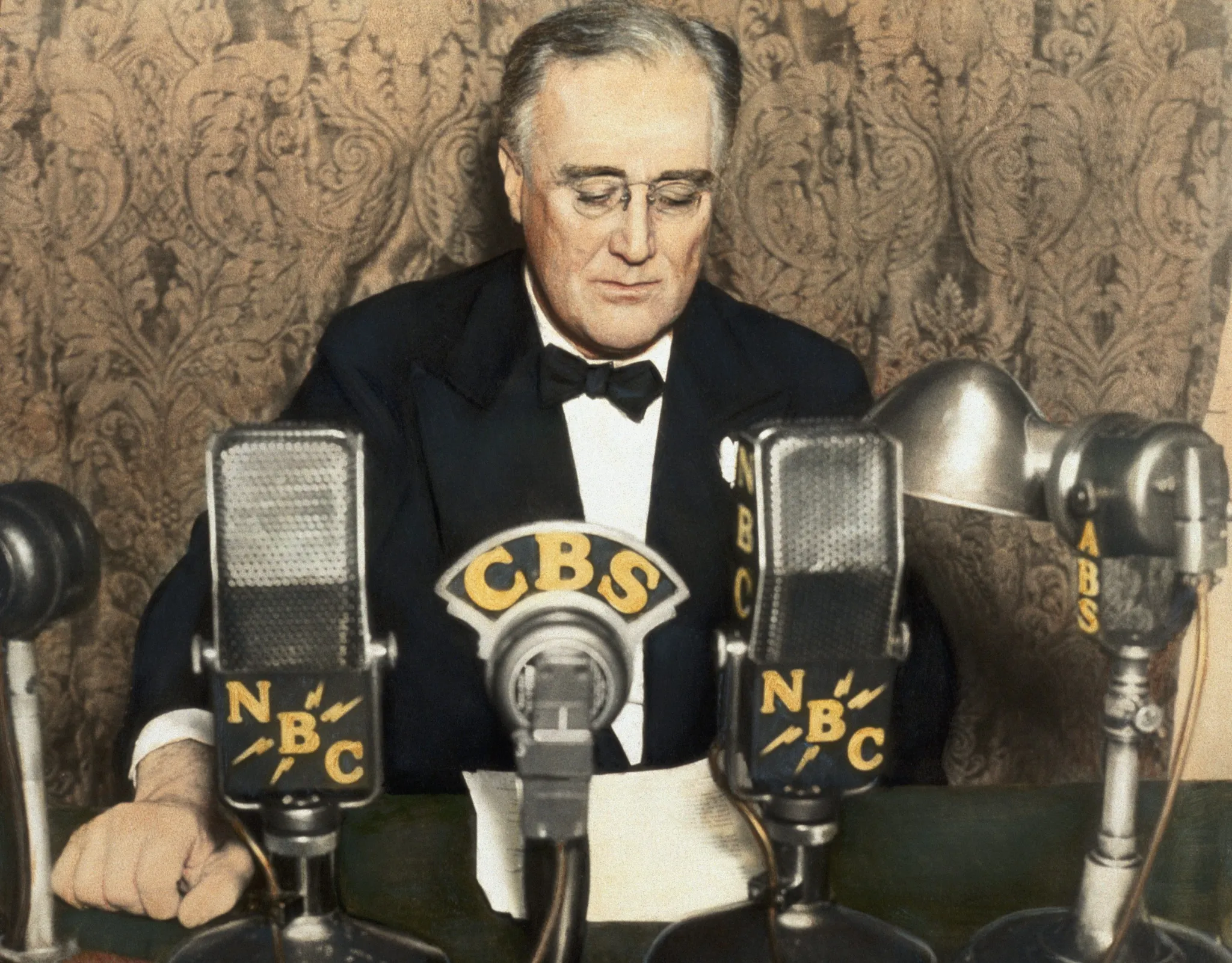
The proposal draws directly from Franklin D. Roosevelt’s rejection of bank nationalization during the Great Depression. Despite intense pressure from populist legislators to seize control of the financial system, Roosevelt instead signed legislation creating a hybrid oversight structure. This model delegates day-to-day standard-setting, surveillance, and enforcement to industry-funded bodies operating under strict federal supervision, balancing technical expertise with public accountability.
Under this system, entities like the Financial Industry Regulatory Authority (FINRA) handle frontline regulation while the Securities and Exchange Commission retains ultimate approval authority over rules and disciplinary actions. FINRA, formed in 2007 through the consolidation of the National Association of Securities Dealers and NYSE member-regulation operations, examines broker-dealers, administers licensing exams, and enforces compliance standards without being a government agency. This separation allows regulators to maintain critical distance from market participants while leveraging private-sector knowledge that federal bureaucracies often lack.


Proponents argue this approach addresses specific deficiencies in current AI governance debates. Direct government control risks stifling innovation in a sector where technological cycles move faster than legislative ones, potentially ceding global leadership to strategic competitors. Conversely, the current voluntary safety commitments lack enforcement mechanisms and public trust. An SRO model would mandate participation, create uniform safety testing protocols, and establish independent audit requirements while preserving competitive dynamics among developers.
Critics note significant differences between securities markets and AI development that complicate direct transplantation. Financial regulation focuses on disclosure, fraud prevention, and market integrity within a well-defined transactional ecosystem. AI governance must address diffuse harms including algorithmic bias, autonomous system failures, dual-use security risks, and intellectual property disputes across vastly different application domains. Unlike brokers who operate within standardized exchange frameworks, AI companies span healthcare diagnostics, military applications, creative tools, and industrial automation with fundamentally different risk profiles.
Legislative drafts currently circulating in Congress attempt to bridge these gaps by proposing sector-specific SROs rather than a single monolithic body. These proposals include statutory safeguards against regulatory capture, mandatory representation for civil society and technical experts on governing boards, and sunset provisions requiring periodic congressional reauthorization. The framework would also preserve antitrust enforcement authority to prevent incumbent firms from using self-regulation as a barrier to entry.
European regulators have taken a contrasting approach through the EU AI Act, which imposes centralized compliance requirements and conformity assessments administered by national authorities. Early implementation data suggests this top-down model creates significant administrative burdens for startups while struggling to keep pace with model capabilities. U.S. advocates contend the SRO alternative offers greater adaptability, pointing to FINRA’s ability to update examination priorities and guidance documents quarterly rather than awaiting multi-year legislative amendments.
The political viability of AI-specific SRO legislation remains uncertain. Progressive lawmakers continue pushing for stronger federal intervention, including proposals for public equity stakes in foundational model providers. Industry groups generally support self-regulatory approaches but disagree on governance structures and funding mechanisms. Senate Commerce Committee staff have indicated they are reviewing historical SRO performance data to assess whether financial sector lessons translate effectively to emerging technology governance.