Fanatics Wins Seventh Lawsuit Dismissal as Courts Reject Antitrust Claims Over Sports Trading Card Monopoly
A federal judge dismissed a 13-count consolidated complaint from 18 indirect purchasers, delivering a setback to rival Panini's broader antitrust narrative.
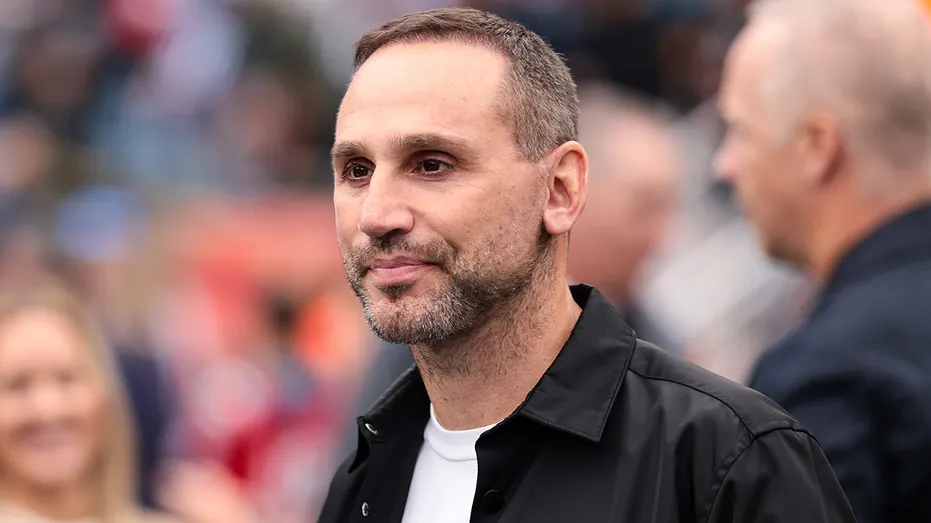
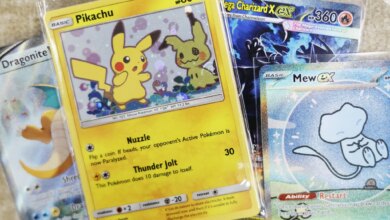
A federal judge in New York has thrown out a sweeping antitrust lawsuit brought by 18 consumers against Fanatics, marking the seventh time in twelve months the sports commerce giant has defeated legal challenges targeting its exclusive licensing agreements with major professional leagues.
Chief U.S. District Judge Laura Taylor Swain dismissed the consolidated indirect purchaser action — known as the Jones case — which bundled 13 federal and state claims alleging that Fanatics conspired with sports leagues and players associations to monopolize the trading card market and artificially inflate prices. The plaintiffs were consumers who purchased cards through third-party hobby shops rather than directly from Fanatics.
Swain ruled that the coordinated complaint failed to demonstrate that any of the named buyers actually overpaid for trading cards or faced imminent financial harm. The dismissal arrived before the discovery phase, preventing the plaintiffs from accessing internal company documents to build their case.


The ruling carries significant implications beyond consumer litigation. Italian manufacturer Panini, the former dominant force in licensed sports cards, is currently pursuing its own antitrust lawsuit against Fanatics. Panini alleges that the Philadelphia-based company engaged in anticompetitive behavior after securing exclusive licensing rights previously held by its rival. However, the Jones decision represents the second instance where consumers attempted to translate Panini’s corporate allegations into a class-action suit, only to see the case dismantled at the pleading stage. This pattern undermines the broader argument that Fanatics’ market consolidation has inflicted measurable damage on retail buyers.
Fanatics aggressively countersued Panini, accusing the Italian firm of orchestrating an unlawful campaign of unfair trade practices designed to extract a massive payout when it lost its licenses in 2022.
The shift in the trading card industry stems from Fanatics’ rapid acquisition of exclusive rights across nearly every major sports property. Following April 2026, the company will hold sole licensing authority for the NBA, NFL, MLB, Premier League, Formula 1, and WWE. This consolidation effectively ended Topps’ decades-long baseball card monopoly and displaced Panini from football and basketball, restructuring a collectibles market historically defined by competing manufacturers bidding for league contracts.
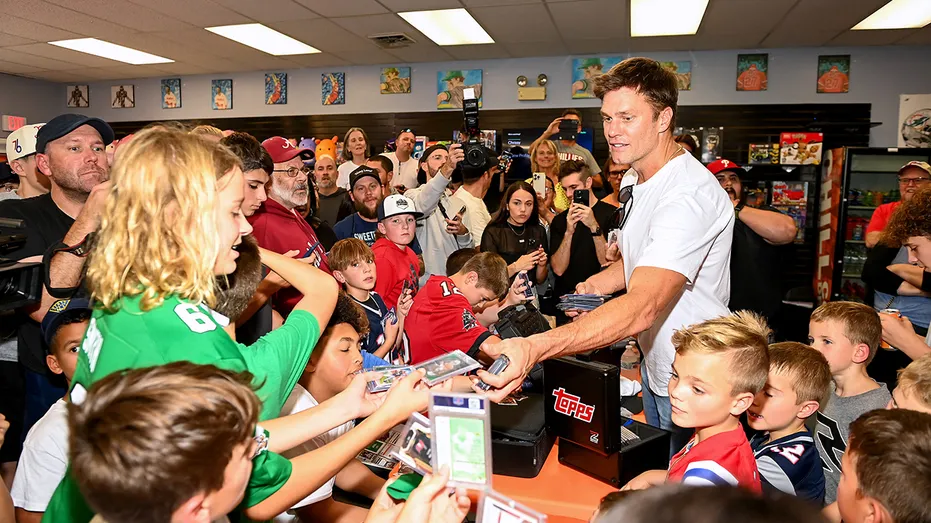
Consumer antitrust lawsuits face notoriously high barriers in federal courts. Plaintiffs must establish standing by proving direct, quantifiable injury, a requirement that frequently dooms price-fixing claims before trial. In March, Swain dismissed a similar five-plaintiff suit led by Robert Scaturo using the same reasoning: the inability to prove overpayment.
The legal victories extend past collectibles. In the merchandise sector, the U.S. District Court for the Southern District of New York dismissed two separate class actions filed by Casey’s Distributing, Inc. Those suits claimed Fanatics and the NFL unlawfully restricted the distribution of authorized apparel. The court rejected the complaints twice, holding that trademark owners possess the inherent right to dictate which retailers sell their branded goods. Crucially, Casey’s Distributing never alleged that the restrictions resulted in higher prices for consumers.

A Fanatics spokesperson characterized the wave of litigation as meritless attempts to extort the company as it scales operations. The company maintains it will dedicate whatever resources are necessary to defeat the claims rather than settle.
While the consumer and distributor cases have collapsed, Panini’s corporate antitrust litigation remains active. That dispute centers not on retail pricing, but on the mechanics of how exclusive league contracts were negotiated and transferred between competitors during Fanatics’ expansion.