Over 160,000 Foreign Nationals Leave South Africa as Anti-Immigration Demonstrations and Political Pressure Mount
Widespread economic frustration and public demonstrations force tens of thousands of undocumented foreign nationals to leave South Africa amid mounting political heat on the government.
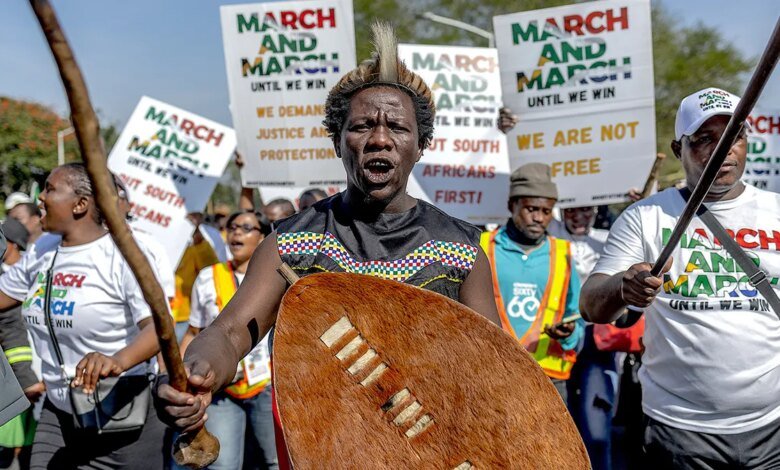
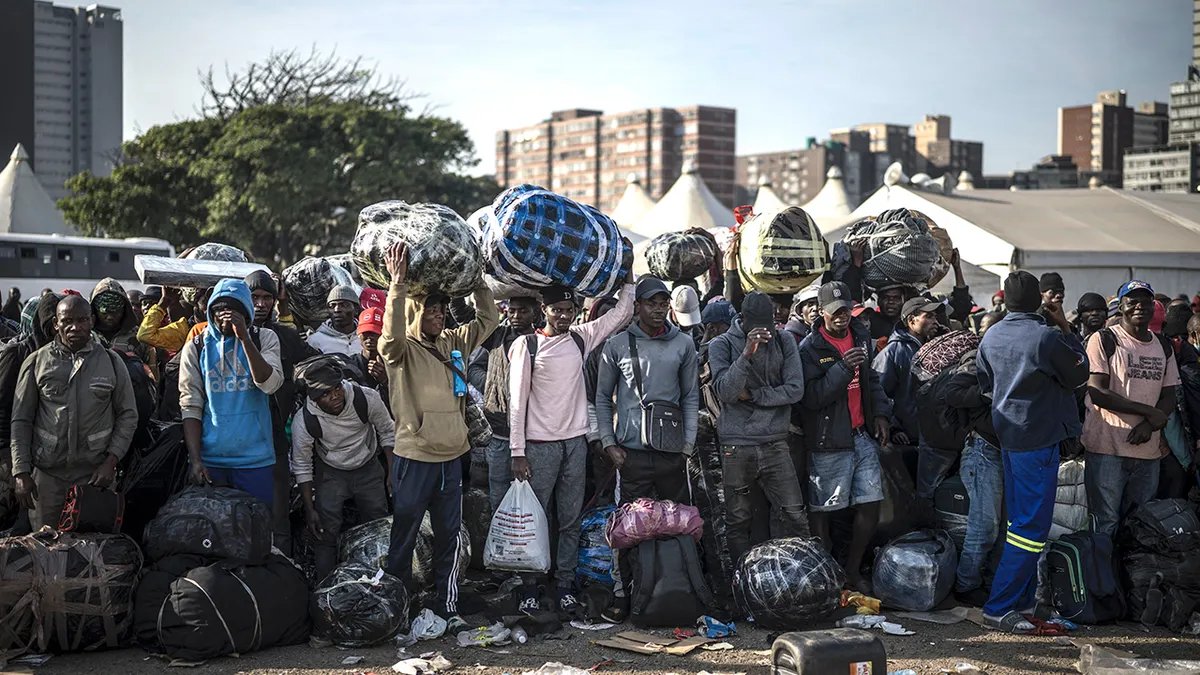
More than 160,000 undocumented foreign nationals have fled South Africa in recent weeks, driven out by widespread public demonstrations, community-led eviction notices, and heightened government enforcement targeting illegal immigration.
The sudden exodus underscores a dramatic escalation in social tension across Africa’s most industrialized economy, where chronic economic stagnation, severe unemployment, and crumbling public infrastructure have fueled intense domestic backlash against non-citizens.
State authorities report that official enforcement efforts have ramped up alongside voluntary and forced departures. As of July 11, government agencies had formally processed 53,449 foreign nationals for deportation and repatriation. Cross-border exit points and international hubs have seen heavy traffic; during a single repatriation flight bound for Ghana in June, border officials determined that 321 out of 332 passengers departing OR Tambo International Airport were residing in South Africa without valid documentation.
South Africa has long served as the primary destination for regional economic migration in Sub-Saharan Africa, attracting millions seeking opportunities in mining, agriculture, construction, and the informal trading sector following the end of apartheid in 1994. However, porous land borders—where illegal crossings across shallow rivers are common—and systemic corruption at border posts have long undermined state control over immigration entry.
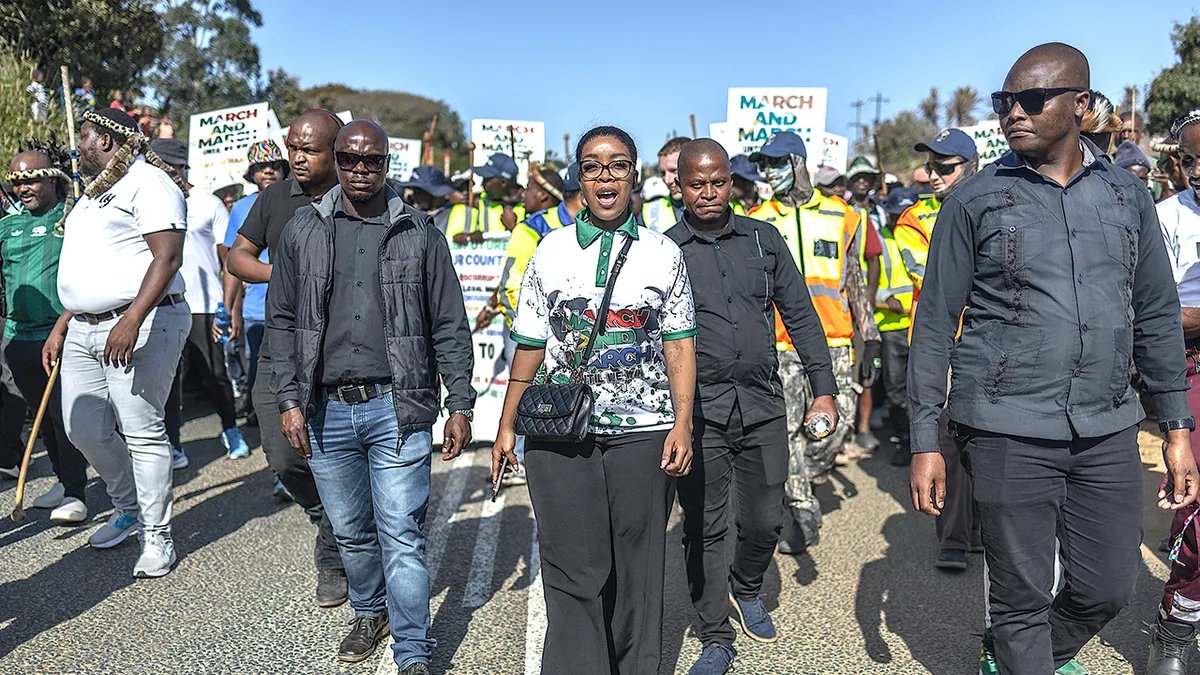
Public frustration has catalyzed organized movements like the “March and March” group, led by Jacinta Ngobese-Zuma. Supporters of the movement regularly assemble in urban centers and townships, carrying traditional wooden sticks known as knobkerries while demanding foreign workers leave. In several industrial hubs and townships, including Soweto near Johannesburg, localized groups have conducted door-to-door sweeps to issue strict deadlines for undocumented residents to vacate.
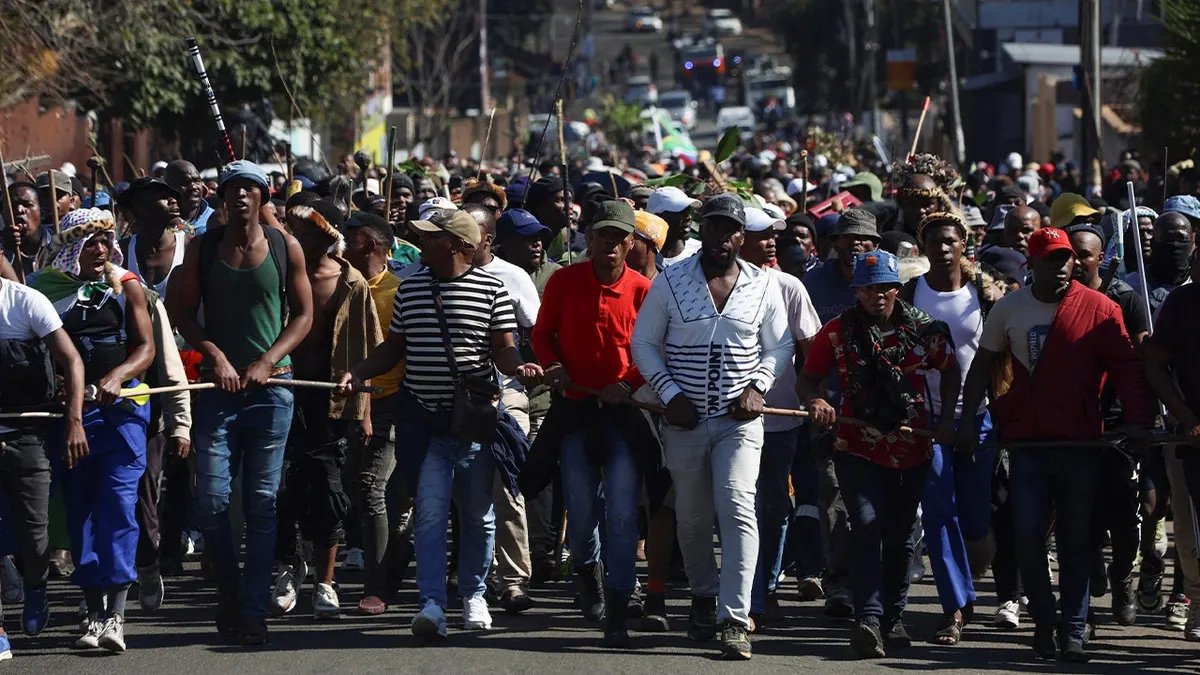
Although civic leadership claims to promote non-violent demonstrations, civil unrest has frequently turned violent. Law enforcement officials arrested 900 people during a single day of coordinated nationwide rallies, with at least five fatalities linked to anti-immigrant violence so far this year. South Africa has a painful history of deadly xenophobic outbreaks, most notably in 2008, when widespread mob attacks resulted in 62 deaths, and again in 2015 when similar riots claimed at least five lives.
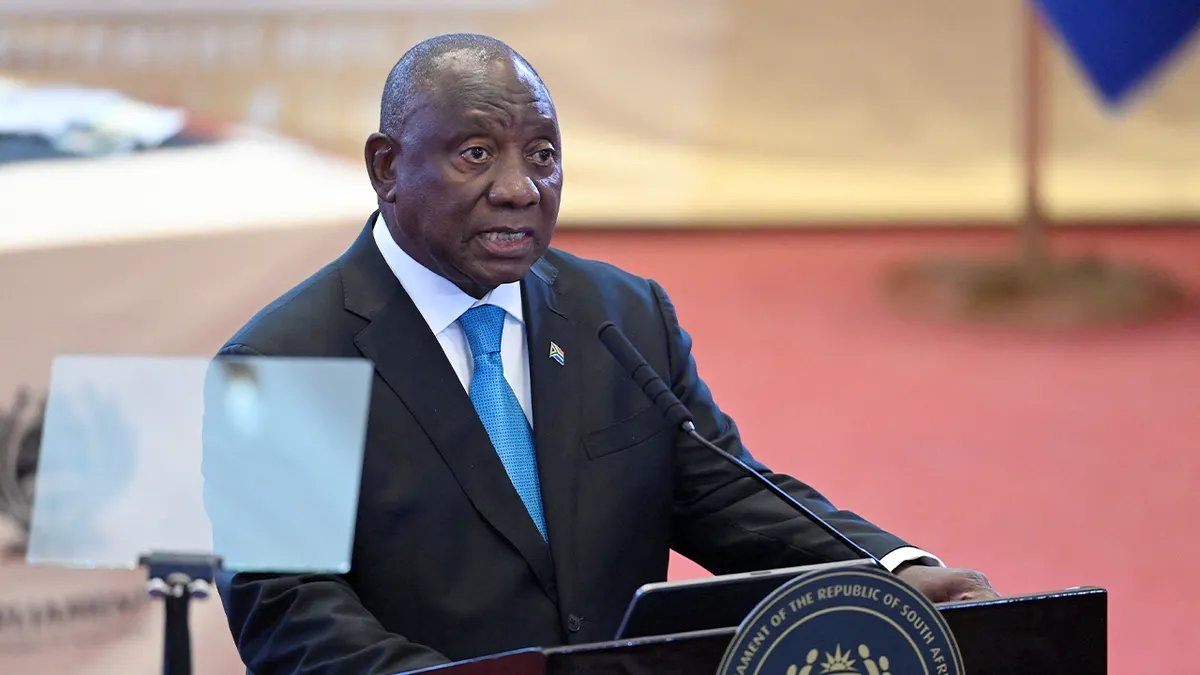
At the root of the crisis is South Africa’s struggling labor market. Official figures set the national unemployment rate at 32.7%, among the highest in the world. President Cyril Ramaphosa recently addressed the nation on television, acknowledging that wage suppression by local businesses plays a role in attracting undocumented labor. Ramaphosa noted that certain employers systematically hire unauthorized migrants specifically to pay them well below statutory minimum wages and force them to work long hours without legal protections.
Public services are similarly straining under population demands. At Helen Joseph Hospital in Johannesburg—a facility intended to provide affordable public healthcare to citizens—emergency room wait times have reached up to 36 hours, leading to public outrage after at least one patient died while awaiting medical attention.
The political fallout is becoming a major focal point ahead of upcoming elections. Survey data analyzed by Frans Cronje, president of the Yorktown Foundation for Freedom, reveals that public concern over immigration ranks second only to joblessness. According to recent polling, 23.0% of South Africans consider unemployment their top priority for government action, followed by immigration at 11.7%, corruption at 10.1%, and violent crime at 9.8%. The polling also revealed significant demographic disparities, with Black South Africans three times as likely as white citizens to view illegal immigration as an urgent national issue.
Opposition lawmakers argue that government interventions are performative and inadequate. Herman Mashaba, leader of the Action SA parliamentary party, criticized the African National Congress leadership for failing to secure national borders over the past three decades, calling for structured mass deportations and a permanent expansion of enforcement capacity.
Exact figures regarding South Africa’s foreign-born population remain intensely contested. According to the official 2022 census released by Statistics South Africa, approximately three million immigrants reside within the country. However, activist groups and political opponents maintain the true figure could range between 15 million and 30 million out of a total population of 63 million.
Questions over the official headcount were amplified after Statistics South Africa Commissioner Risenga Maluleke acknowledged publicly that census enumerators do not independently verify legal residency status during data collection, relying instead on unverified self-reporting by respondents.