Samsung Pivots to Qualcomm Silicon for Galaxy Watch 9 as Prices Edge Higher
A strategic hardware pivot defines the latest iteration of Samsung's flagship wearable.
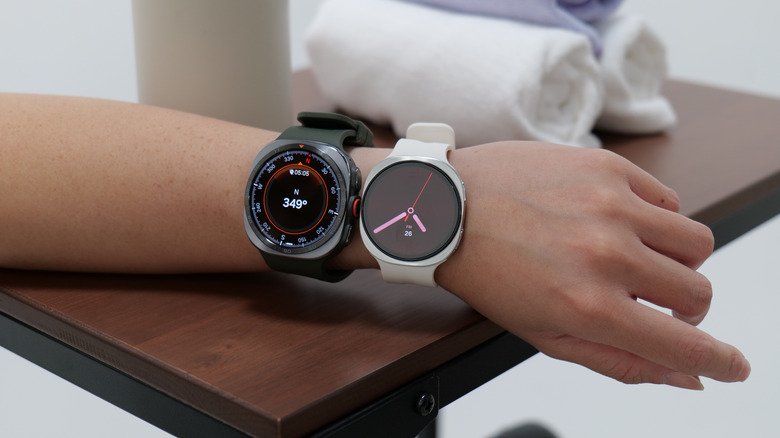
Samsung has officially unveiled the Galaxy Watch 9, marking a significant strategic shift in the company’s wearable hardware philosophy. While the new device retains the aesthetic identity of its predecessor, the internal architecture has undergone a major overhaul, replacing Samsung’s proprietary Exynos silicon with Qualcomm’s Snapdragon Wear Elite processor. This transition to a 3nm-based chipset arrives alongside a $30 price increase across the lineup.
The move to the Snapdragon Wear Elite represents a departure from Samsung’s long-standing reliance on its in-house Exynos chips for its flagship wearables. The new 3nm processor is engineered to handle increasingly complex artificial intelligence tasks while improving overall system efficiency. This hardware pivot is paired with the debut of Wear OS 7 and Samsung’s One UI Watch 9, offering a more refined software experience that integrates Google Gemini for voice-activated AI queries and navigation.
Despite the internal changes, Samsung has opted for design continuity. The Galaxy Watch 9 maintains the “squircle” aluminum chassis introduced with the Watch 8, available in 40mm and 44mm sizes. The displays remain a high point, featuring Super AMOLED panels capable of reaching 3,000 nits of peak brightness—a specification designed to ensure legibility under the harshest midday sun. Durability standards also remain consistent, with an IP68 rating and 5ATM water resistance, allowing the device to withstand submersion in shallow water.
Battery capacity has seen a tiered improvement. The smaller 40mm model receives a notable boost to a 390mAh cell, up from 325mAh in the previous generation. The larger 44mm variant sees a more conservative increase to 449mAh. Samsung estimates that these configurations will provide approximately 30 hours of runtime with the Always-On Display enabled. While charging speeds have not increased, the 40mm model can still reach a full charge in roughly 80 minutes, consistent with the industry standard for high-end smartwatches.
The health tracking suite remains anchored by the Samsung BioActive Sensor. This integrated module combines an optical bio-signal sensor, an electrical heart signal sensor, and bioelectrical impedance analysis. These tools allow users to monitor blood pressure, detect signs of sleep apnea, and track body composition. Historically, Samsung has been a leader in integrating medical-grade features into consumer wearables, having secured FDA clearance for several of its cardiac and sleep monitoring tools in recent years.
Market positioning for the Galaxy Watch 9 reflects broader inflationary trends in the consumer electronics sector. The Bluetooth model now starts at $380, while the LTE-enabled version begins at $430. This price hike places the Watch 9 in a more competitive bracket against premium offerings from Apple and Google.
For consumers prioritizing value, the release of the new hardware has already triggered price reductions for the Galaxy Watch 8. The outgoing 40mm model has been spotted at retailers for as low as $220. However, early adopters of the Watch 9 will have access to new color options, including a Cream finish for the 40mm model, alongside the standard Graphite and Silver options. General availability is scheduled to begin on August 7.