The Great EV Retreat: Why Major Automakers Are Pulling Electric Models From the U.S. Market
Geopolitical tensions, regulatory shifts, and the end of key tax credits prompt a dramatic thinning of electric vehicle lineups.
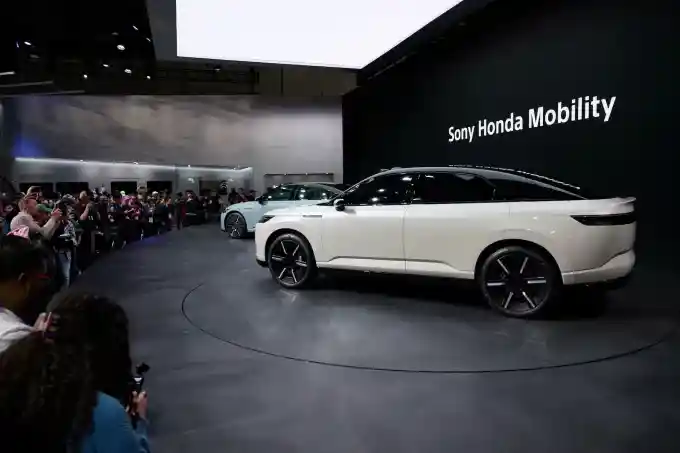
The United States electric vehicle market is undergoing a major contraction as global automakers withdraw prominent models, alter manufacturing strategies, and navigate a tightening regulatory environment. Highlighted by Honda’s decision to discontinue the Prologue—its sole remaining all-electric model in the U.S.—the shift reflects a broader industry retreat driven by geopolitical tensions, trade barriers, and shifting consumer preferences.
This retreat follows a turbulent period for EV sales, which were heavily impacted by the expiration of the federal tax credit in late 2025. According to data from Cox Automotive and Kelley Blue Book, electric vehicles accounted for 247,226 units sold in the second quarter of 2026, representing approximately 5.8% of the total domestic auto market. While sales showed some quarter-over-quarter improvement, they remained down 20.5% compared to the same period in 2025.
The end of the Honda Prologue underscores the challenges of collaborative manufacturing under changing economic conditions. Developed in partnership with General Motors and assembled at GM’s Ramos Assembly Plant in Mexico, the Prologue shared its platform with the Chevrolet Blazer EV. Despite moderate success, with sales reaching roughly 33,000 units in 2024 and 39,000 in 2025, the loss of federal incentives triggered a sharp decline in demand, prompting the automaker to halt production.
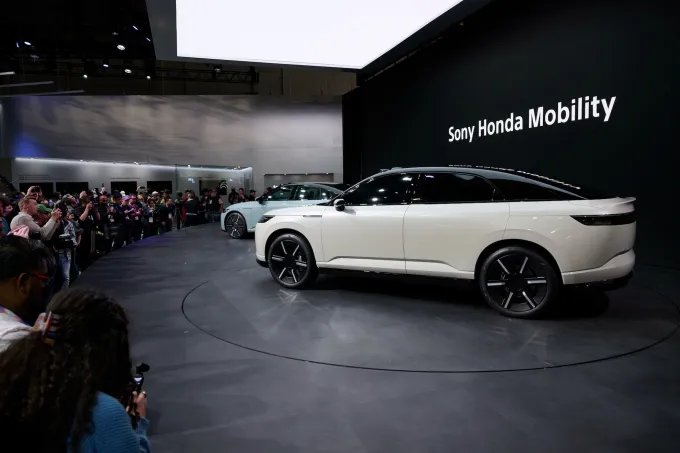
Beyond the Prologue, Honda has significantly scaled back its broader electrification ambitions. In March 2026, the company abandoned development of its futuristic Series 0 models, including a planned mid-sized SUV and sedan, alongside the Acura RDX. Honda executives cited rising U.S. tariffs and intense competition from Chinese manufacturers as primary drivers for the decision.
Similarly, a high-profile joint venture between Honda and Sony collapsed that same month. The partnership, which aimed to launch the software-heavy Afeela brand, was quietly dissolved after years of marketing campaigns and prototype showcases at major trade events.
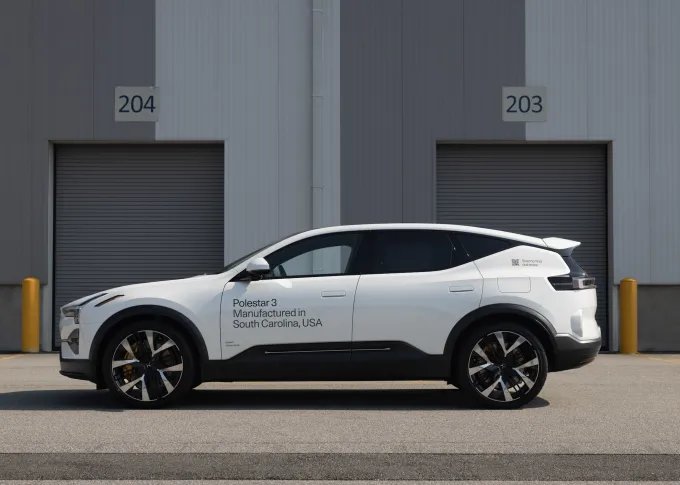
Geopolitical policies have also forced other international brands to restructure their U.S. portfolios. Polestar, the Swedish electric performance brand owned by China’s Geely, has been effectively locked out of the American market due to strict federal regulations targeting Chinese-connected vehicle technology. To continue domestic sales, Polestar required specific authorization from the U.S. Department of Commerce. While its sibling brand Volvo Cars secured the necessary approval, Polestar did not, forcing it to rely on existing U.S. inventory of the Polestar 3 and Polestar 4 to support its current customer network.
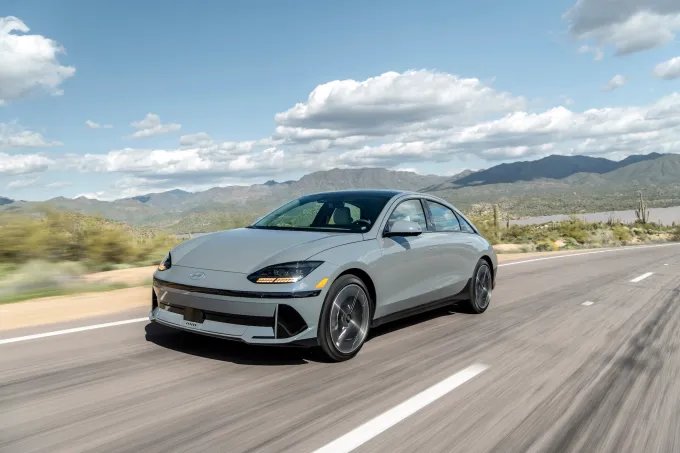
Tariffs have also altered strategies for South Korean automaker Hyundai. The company ceased importing the standard Hyundai Ioniq 6 from South Korea to the U.S. in March 2026, opting instead to focus on vehicles manufactured domestically at its Georgia assembly plant, such as the Ioniq 5 and Ioniq 9. Hyundai will limit its imports to the low-volume, high-performance N-variant of the Ioniq 6.
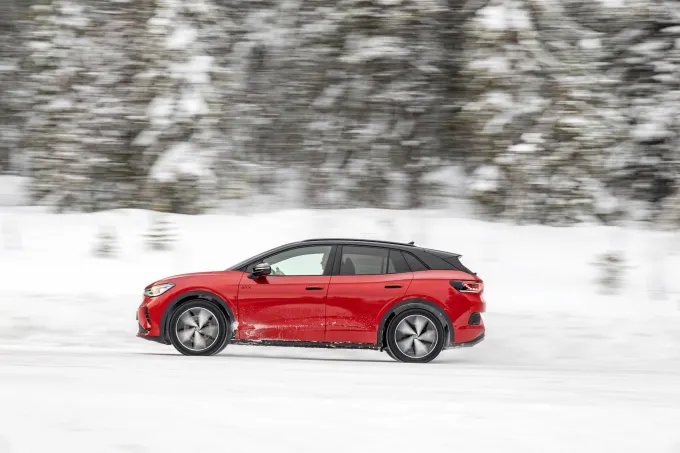
Meanwhile, legacy brands are shifting focus toward high-volume internal combustion vehicles or alternative technologies. Volkswagen halted production of its ID.4 electric SUV at its Chattanooga, Tennessee facility in April 2026, pivoting assembly capacity toward gas-powered models like the Atlas SUV. While Volkswagen expects remaining ID.4 inventory to last into 2027, the company has also placed its highly anticipated ID Buzz on hiatus for the 2026 model year, though autonomous testing of the microbus continues in Los Angeles.
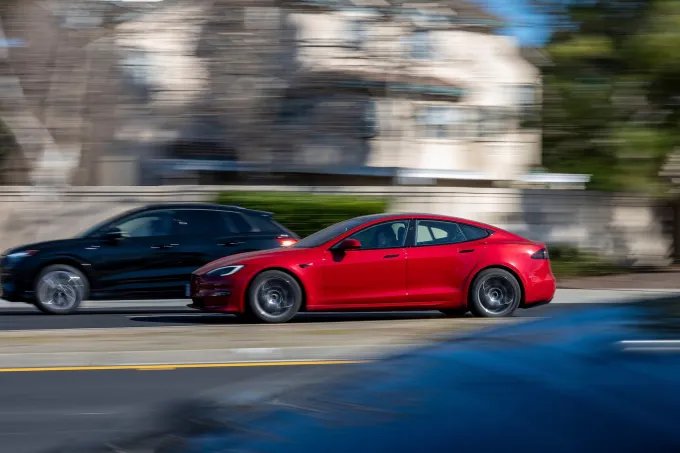
In a more radical strategic pivot, Tesla ended production of its long-running Model S sedan and Model X SUV in early 2026. The move allows the Texas-based manufacturer to reallocate resources toward artificial intelligence and robotics. Tesla dismantled the assembly lines for these premium models at its Fremont, California plant to clear space for the manufacturing of its Optimus robots, reflecting a transition away from traditional passenger vehicle formats in favor of autonomous systems.
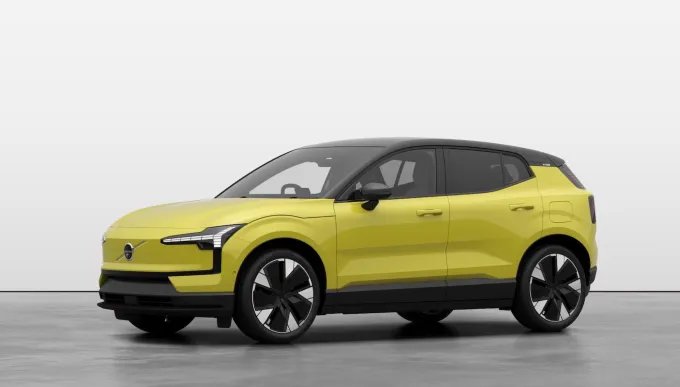
Other notable departures include Nissan, which opted not to release a 2026 model of its Ariya SUV in the U.S., and Volvo, which withdrew its compact EX30 and EX30 Cross Country models from the American market in March 2026. Volvo will instead focus its U.S. electric lineup on its larger EX60 and EX90 SUVs.
These widespread product cancellations highlight a transitional phase for the North American automotive sector, where regulatory compliance, supply chain localization, and profitability are overriding initial, broad-market electrification goals.