Trump Administration Debates Iran Regime Change as Backchannel Diplomatic Pressures Mount
Internal discussions weigh supporting armed opposition groups against keeping military focus strictly on securing the Strait of Hormuz.
The Trump administration is locked in an internal debate over whether to shift its military and economic strategy toward actively supporting the overthrow of the Iranian government. This strategic deliberation comes as the conflict intensifies and President Donald Trump claims Tehran is desperately seeking backchannel negotiations to end the hostilities.
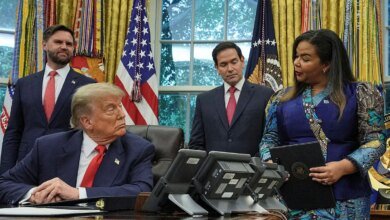
Speaking to reporters during a recent press conference, President Trump indicated that diplomatic channels remain open, asserting that Iranian officials are eager to talk because their military capabilities are getting decimated. However, Trump emphasized that the United States would not engage until Tehran is prepared to meet in a meaningful way, warning that the administration has yet to unleash its full military pressure.
This diplomatic posturing contrasts with ongoing discussions within Washington. According to an analysis published in the Financial Times, some administration officials are advocating for a broader campaign to destabilize the Islamic Republic from within. These proposals reportedly include fostering internal civil unrest and reviving plans to provide material support to armed Iranian opposition groups, such as Kurdish factions that have waged a low-level insurgency against Tehran for decades.
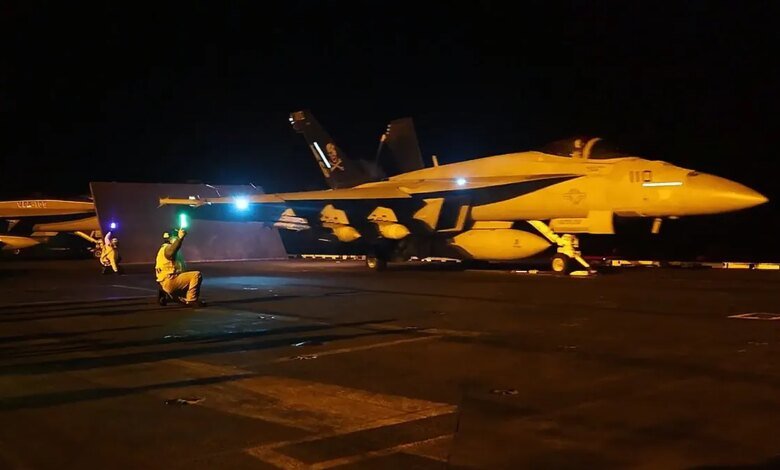
The debate has gained momentum following a series of heavy U.S. military strikes. On July 17, 2026, U.S. Central Command launched a major wave of airstrikes targeting Iranian command centers, air defense systems, drone and missile launch sites, and maritime assets. The operations are officially framed as a defensive effort to protect commercial shipping routes in the strategic Strait of Hormuz, a vital chokepoint for global energy markets.
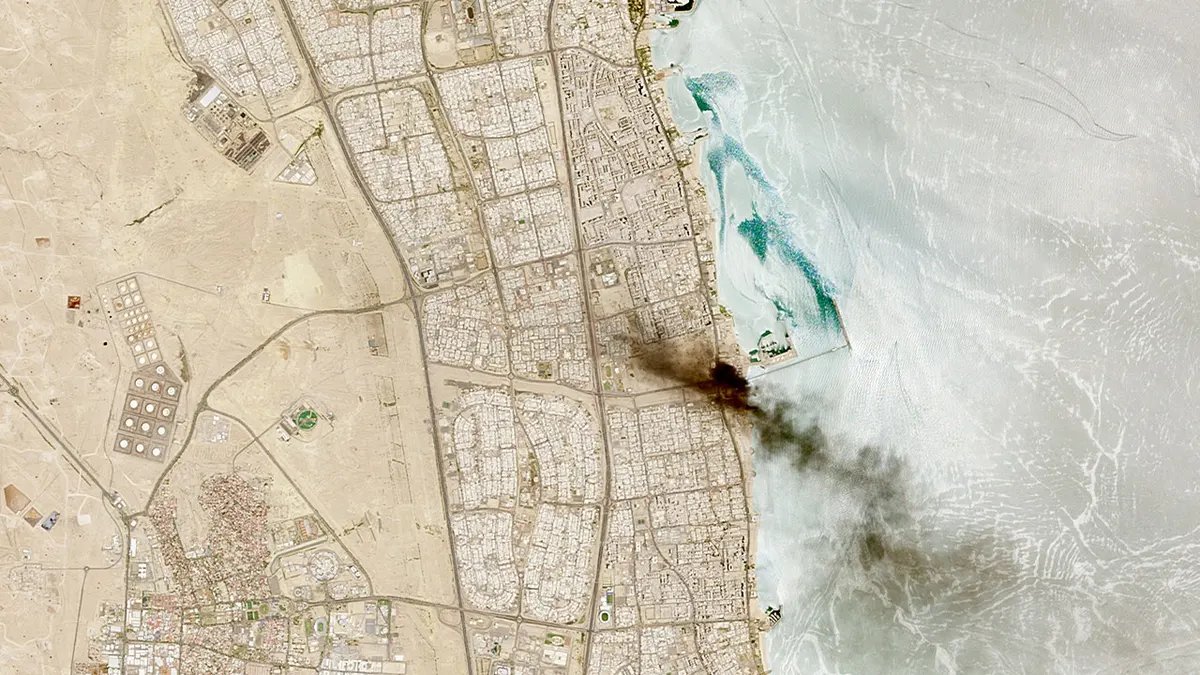
Secretary of State Marco Rubio reiterated this defensive stance, stating that American military action is strictly limited to neutralizing assets used to threaten global maritime trade. This maritime-focused campaign, internally referred to as Project Freedom, is designed to deter Iranian aggression without committing the U.S. to a broader war of regime change.
However, foreign policy experts point out that the line between maritime deterrence and regime destabilization is increasingly blurred. Richard Goldberg, a senior advisor at the Foundation for Defense of Democracies, noted that while toppling the regime remains a long-term U.S. policy aspiration, it is not currently defined as an active military objective. Goldberg observed that CENTCOM’s strikes on dual-use infrastructure could still trigger a wider escalation. He also highlighted potential exceptions to the limited-strike policy, such as the deeply buried Pickaxe Mountain nuclear facility near Natanz, which remains a high-priority target for U.S. and Israeli planners.
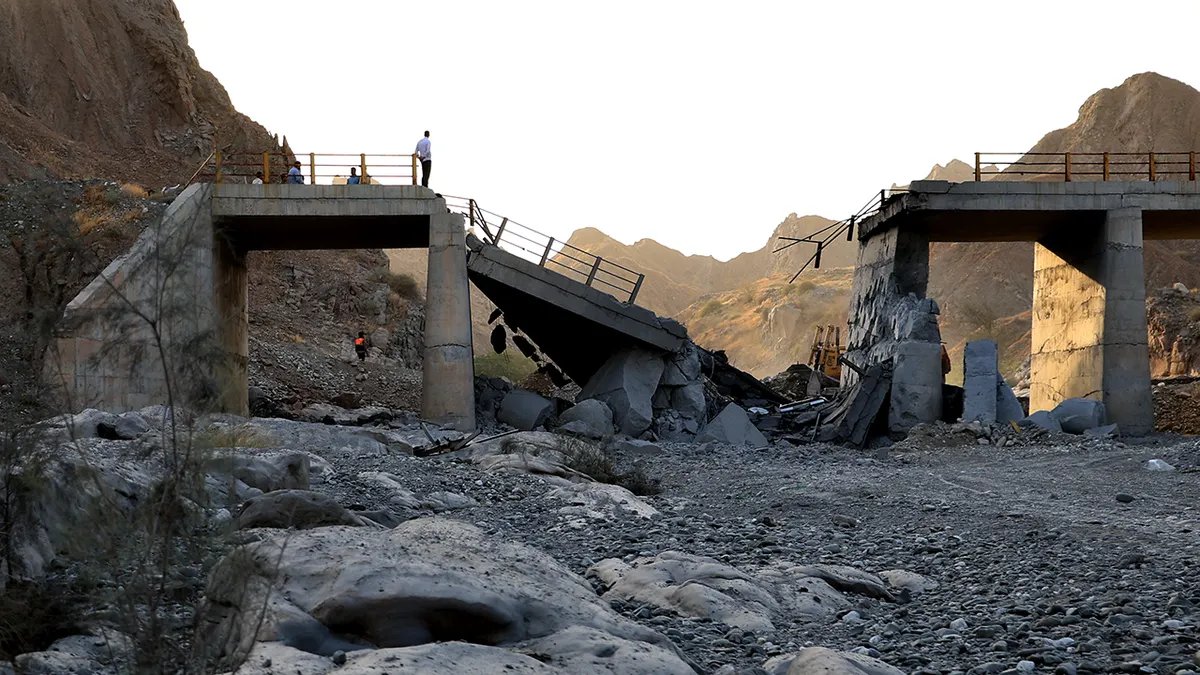
The current conflict represents a dramatic escalation of the U.S.-Israeli war against Iran, which erupted on February 28, 2026. The opening day of the war saw the death of Iran’s longtime Supreme Leader, Ali Khamenei, in a targeted strike. His death has left the regime under the leadership of his son, Mojtaba Khamenei, amid severe internal and external pressures.
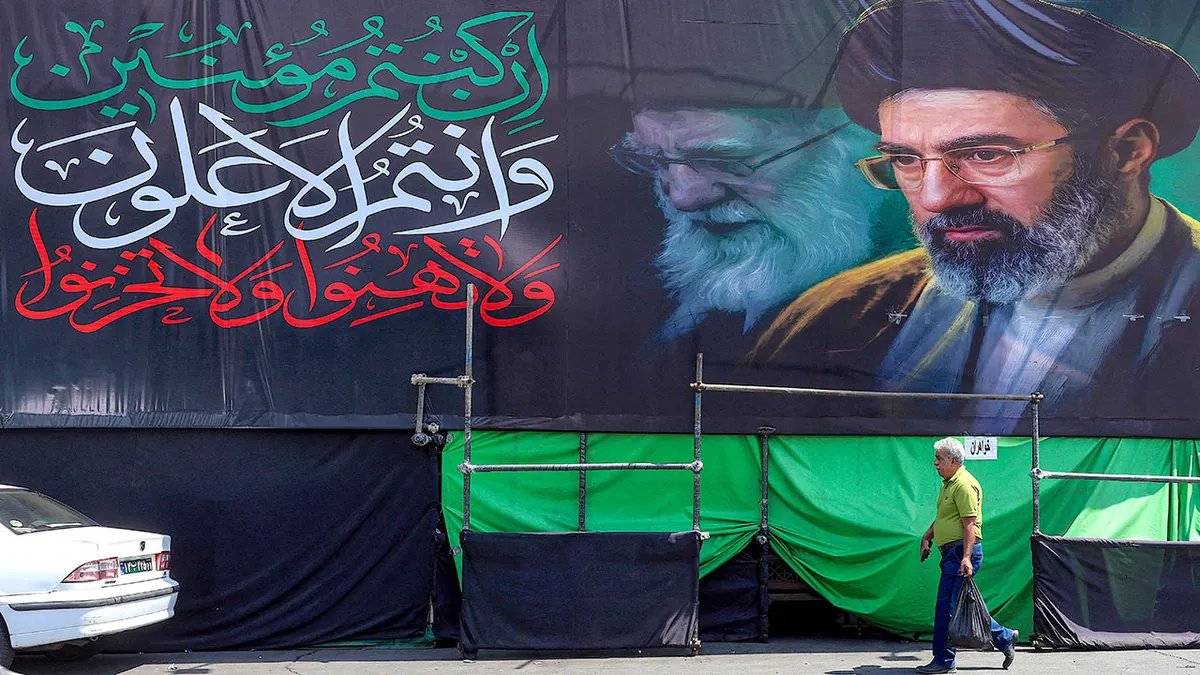
As the regime struggles to project strength, some armed opposition groups see an opening. Reports from The Wall Street Journal earlier this year revealed that the Trump administration had explored contacting Kurdish leaders near the Iraqi border to gauge their willingness to fight the central government. Majeed Gly, president of the American Kurdish Committee, stated that recent clashes deep inside Iranian territory suggest a shift in dynamic, with opposition forces growing less fearful of a weakened regime.
Despite these developments, significant obstacles remain for any U.S.-backed transition plan. The Iranian opposition is highly fragmented, divided among monarchists, secular reformers, left-wing organizations, and various ethnic minority movements. This lack of a unified alternative leadership complicates Washington’s ability to support a political transition without risking prolonged instability or another protracted conflict in the Middle East.