Nigerian Pastor Receives Death Threats After Militia Raid Kills Nine Family Members
U.S. State Department condemns 'shocking level of violence' against Christian communities in the Middle Belt

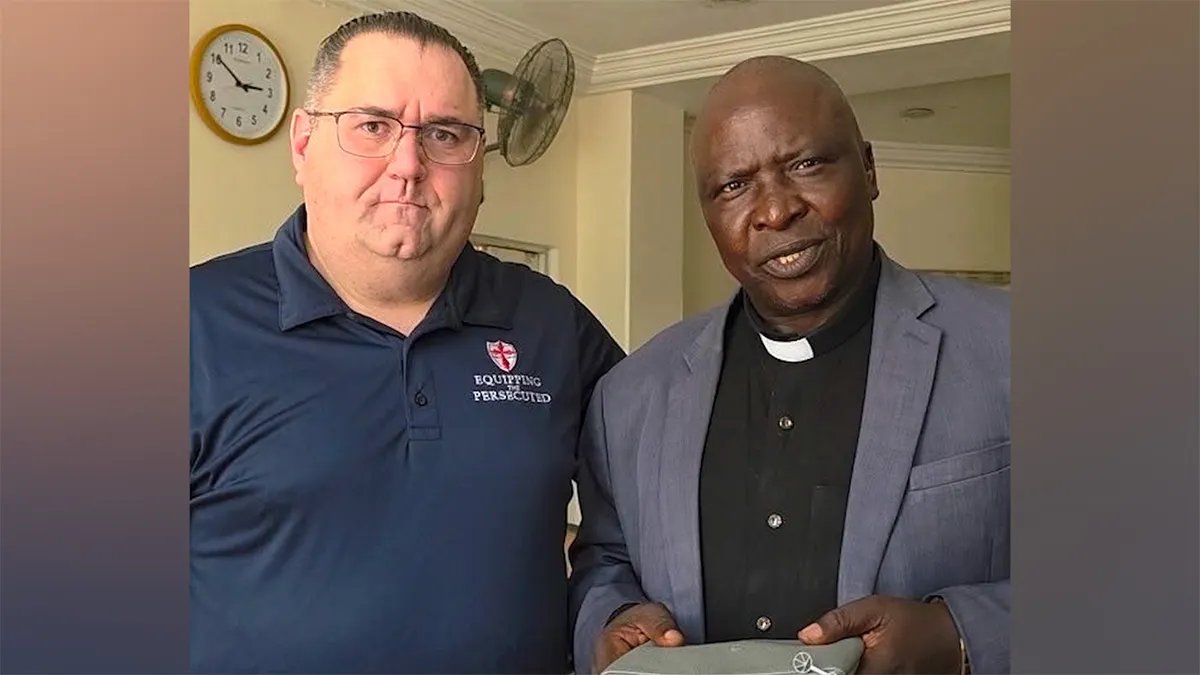
A prominent Christian minister in Nigeria’s volatile Middle Belt has received direct death threats from an ethnic militia, just weeks after an armed raid on his family compound left nine of his relatives dead. Reverend Ezekiel Dachomo, a regional leader of the Church of Christ in Nations, has become a central figure in the international outcry over religious violence in West Africa, drawing attention from both Washington and global human rights organizations.
The threat against Dachomo escalated significantly following a July 12 attack in the Riyom district of Plateau State. Armed assailants stormed his family’s compound, reportedly searching for the pastor. When they failed to find him, the attackers opened fire, killing nine extended family members, including a two-month-old infant. Dachomo recently revealed on social media that the Fulani militia sent him a written warning vowing to take his life next.
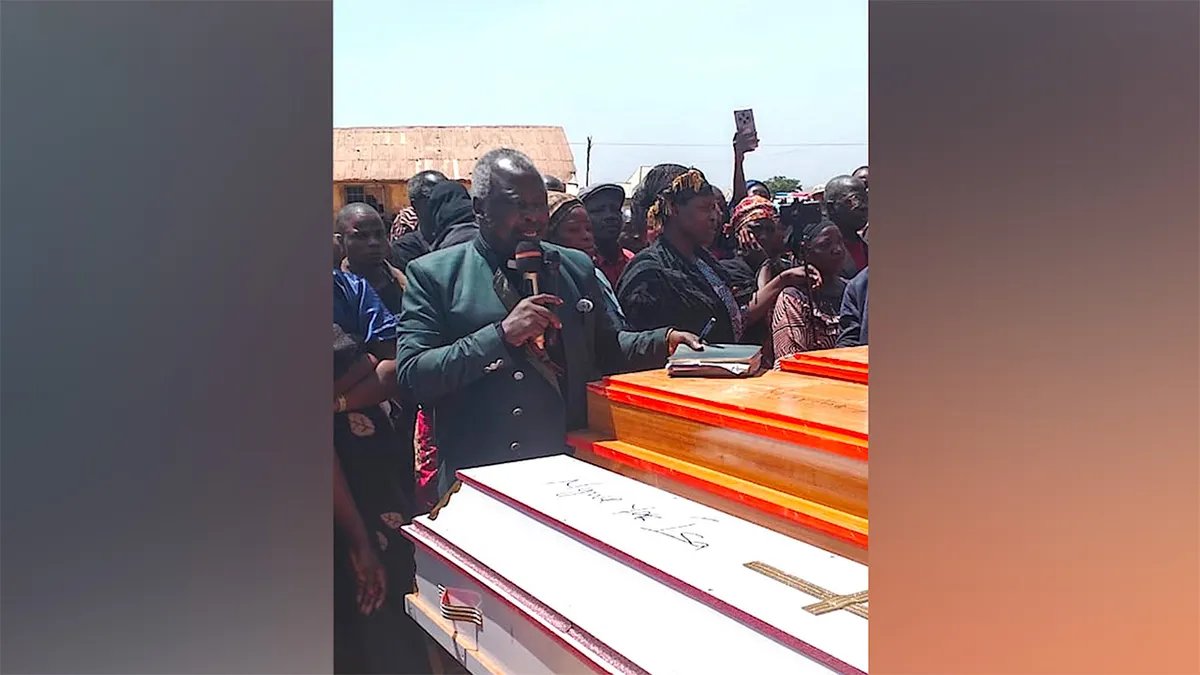
The escalating danger surrounding Dachomo has caught the attention of the White House and senior American diplomats. President Donald Trump recently highlighted the pastor’s plight on social media, sharing footage of Dachomo presiding over a mass funeral for Christian victims. Dachomo has pleaded for direct American intervention, urging the U.S. administration to address the systemic targeting of agrarian Christian communities in the Middle Belt.
In response to the killings, a spokesperson for the U.S. Department of State condemned the attack and described the situation in the region as “a shocking level of violence against Christians.” During diplomatic meetings in Abuja, Assistant Secretary of State for African Affairs Frank Garcia raised grave concerns with Nigerian authorities, urging them to secure vulnerable communities and hold the perpetrators accountable.
The violence in Nigeria’s Middle Belt has long been characterized by intense competition over land and resources between nomadic herders, who are predominantly Muslim, and settled farmers, who are largely Christian. However, human rights advocates argue the conflict has evolved into a targeted campaign of religious persecution. According to a comprehensive six-year study by the Observatory for Religious Freedom in Africa, terror-related violence claimed nearly 80,000 lives in Nigeria between 2019 and late 2025. The data reveals that Fulani militias were responsible for 44 percent of those deaths—a toll four times higher than that of established terrorist organizations like Boko Haram and the Islamic State West Africa Province (ISWAP) combined.
While previous U.S. administrations have launched counter-terrorism airstrikes in northern Nigeria against Boko Haram and ISWAP, these operations have not targeted the militias operating in the Middle Belt. Advocacy groups, including Equipping the Persecuted, are now lobbying Washington to shift its strategic focus toward protecting the agrarian communities caught in the crosshairs of the militia attacks.
The Nigerian government, however, has pushed back against religious framing of the crisis. Rabiu Ibrahim, a spokesperson for the Nigerian Ministry of Information and National Orientation, offered condolences to Dachomo but warned that attributing the violence solely to religious friction oversimplifies a complex socio-economic issue. Ibrahim maintained that security agencies are investigating the attack on the pastor’s family and remain committed to prosecuting criminals regardless of their ethnic or religious affiliations.
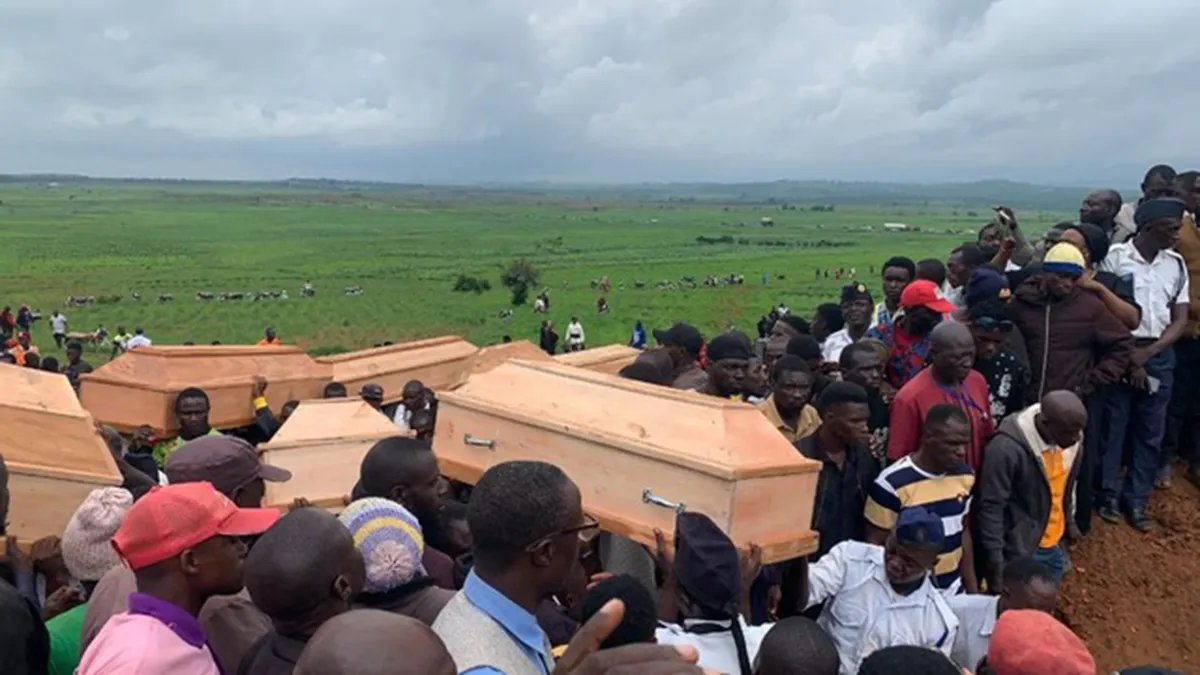
Despite the official stance, local religious leaders and international watchdogs, such as Christian Solidarity International, continue to warn of a worsening humanitarian crisis. Dachomo, who has conducted dozens of mass burials over the past year, maintains that his outspoken advocacy is the sole reason he has been marked for death. He has vowed to continue speaking out, stating that while his life may be threatened, the plight of his community cannot be ignored.