California Regulatory Delay Stalls Waymo Expansion, Keeping New ‘Ojai’ Robotaxi Rides Free
A pending decision from state regulators prevents Alphabet's autonomous vehicle unit from expanding its service area and charging fares for its newest fleet addition.
A delayed decision from a California regulatory agency is slowing down Alphabet subsidiary Waymo, the US leader in driverless robotaxi service, halting its planned expansion across Northern and Southern California.
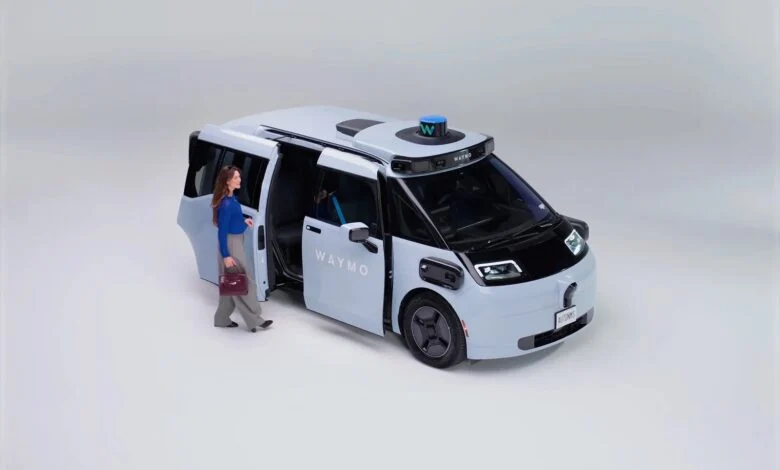
The regulatory holdup means Waymo is currently blocked from expanding its operations into new territories. It also prevents the company from charging California passengers for rides in its newest vehicle—a pale blue, Chinese-made car named the Ojai, which began picking up passengers last month.
As long as Waymo continues to operate these new vehicles in its driverless ride-hail service, those rides could remain gratis until the end of September and potentially beyond. However, the company continues to charge standard fares for rides in its Jaguar I-Pace robotaxis, which currently make up the majority of its active fleet.
California’s Strict Regulatory Framework
Unlike other states that permit autonomous vehicle companies to launch testing operations and public services with minimal oversight, California maintains strict regulatory requirements. Before putting autonomous vehicles on public roads, companies must secure approval from the state Department of Motor Vehicles. To carry paying passengers, operators must obtain additional permission from the California Public Utilities Commission, which regulates taxi and transportation services.
Waymo submitted its application to the California Public Utilities Commission in January. The filing sought authorization to expand its service territory and officially add the Ojai vehicles to its passenger fleet.
The proposed expansion would significantly broaden Waymo’s footprint. In Northern California, the service area would stretch from Sea Ranch and Sacramento in the north, through Berkeley and Oakland, and down into San Jose. In Southern California, the expansion would extend past Los Angeles into Thousand Oaks and Santa Clarita, reaching as far south as the Tijuana border past San Diego.
Background: The Evolution of Autonomous Vehicle Regulation
Robotaxi companies have thrived in California for nearly two decades, drawing on the state’s favorable weather, technological enthusiasm, and highly sophisticated labor force. Waymo, which began in 2009 as the Google Self-Driving Car Project, has long used the state as its primary testing and deployment ground.
The two-tiered regulatory system involving the Department of Motor Vehicles and the California Public Utilities Commission is designed to separate technical safety from commercial operation. While the DMV evaluates the safety of the autonomous driving systems, the CPUC focuses on consumer protection, passenger safety, and commercial transit rules. This dual-agency oversight has made California one of the most thoroughly regulated environments for autonomous transport in the United States.