Qatar Exercises Veto Power to Block Volkswagen-Israel Defense Partnership
Sovereign wealth fund halts Iron Dome support project at struggling German plant.
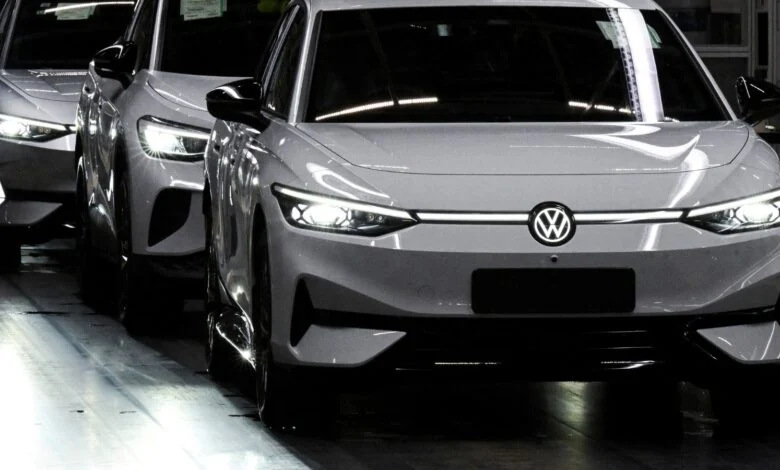
The Qatar Investment Authority has leveraged its significant stake in Volkswagen to block a proposed partnership with the Israeli defense firm Rafael Advanced Defense Systems. The sovereign wealth fund, which controls 17% of the voting rights and more than 10% of the shares in the German automaker, reportedly vetoed a plan to produce military hardware at a struggling factory in Lower Saxony.
The project was intended to transform the Osnabrück plant into a production hub for military vehicles. These trucks were designed to support the Iron Dome, a mobile air defense system developed by the Israeli state-owned contractor. According to reports from Bloomberg and the German newspaper Bild, the collaboration would have seen core missile components manufactured in Israel and then integrated into vehicles assembled in Germany.
This intervention by the Qatar Investment Authority highlights the geopolitical friction currently influencing corporate governance at Volkswagen. Qatar and Israel do not maintain formal diplomatic ties, and the relationship has faced further strain since the outbreak of the Gaza conflict in October 2023.
For Volkswagen, the failed deal represents a missed opportunity to diversify operations at its high-cost domestic sites. The company is currently undergoing a rigorous restructuring aimed at reducing expenses, with management considering unprecedented plant closures in Germany. The Osnabrück site has been particularly vulnerable due to low production volumes.
The proposal had already faced internal hurdles within the German government. According to people familiar with the matter, there were doubts about whether Berlin would provide the necessary procurement orders to sustain the venture. Germany’s current defense strategy already relies on a multi-tiered shield that includes the Israeli-made Arrow 3, the American Patriot system, and the German-produced IRIS-T and Sky Rangers.
Yoav Turgeman, the CEO of Rafael Advanced Defense Systems, had met with government officials in Berlin and Volkswagen executives in Wolfsburg as recently as May to finalize the details. Rafael had hoped to tap into the massive increase in German defense spending following the government’s commitment to building the largest conventional army in Europe.
While the German ruling coalition has moved to bypass traditional borrowing limits to fund this military expansion, the existing saturation of the air defense market appears to have limited the strategic appeal of the Volkswagen-Rafael joint venture.