U.S. SEC Purchased Commercial Airline Tracking Data to Monitor Target Individuals Without Warrants
Documents reveal the agency used a commercial aviation database to track itineraries and credit card records without subpoenas.
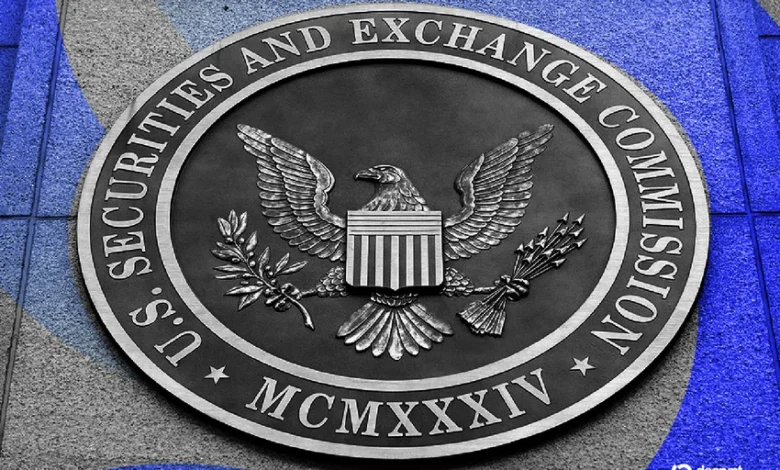
The U.S. Securities and Exchange Commission bought access to a commercial surveillance database holding more than one billion airline booking records, enabling the financial regulator to track targeted travel and credit card data without obtaining a court order or warrant.
Internal SEC records obtained by 404 Media through a Freedom of Information Act request reveal that the agency subscribed to the Travel Intelligence Program (TIP), a data-monitoring service operated by the Airlines Reporting Corporation (ARC). The system provided SEC staff with direct access to credit card numbers used for flight purchases, departure and arrival cities, passenger names, and exact flight numbers.
The platform featured an automated surveillance function that matched new ticketing entries against an agency watchlist. SEC personnel requested between one and 25 daily automated alerts, which flagged any flight reservations booked by monitored individuals within the prior 24 hours across both U.S. domestic routes and international itineraries.
ARC operates as a central financial clearinghouse jointly owned by major U.S. carriers, including American Airlines, Delta Air Lines, and United Airlines. The entity aggregates booking data generated through consumer travel platforms such as Expedia and Kayak. By acquiring commercial access to ARC’s aggregated data feeds, regulatory and law enforcement agencies could track target movements while circumventing the legal requirements associated with grand jury subpoenas or judicial warrants.
ARC defended the compliance database, telling 404 Media that TIP “was established after the September 11, 2001, terrorist attacks” and “has likely contributed to the prevention and apprehension of criminals involved in… money laundering” and terrorism.
The regulatory reliance on commercially sourced intelligence extends beyond the SEC. Other U.S. authorities, including the IRS, FBI, and Department of Homeland Security, have utilized similar commercial data arrangements to link payment rails and personal travel. The practice has drawn scrutiny from civil liberties advocates and lawmakers over government agencies utilizing commercial purchasing power to bypass Fourth Amendment privacy protections.
Pressure from federal lawmakers over government surveillance practices ultimately forced ARC to shut down the Travel Intelligence Program in 2025.