Russian Ballistic Attack Hits Kyiv as Zelenskyy Presses Allies for Patriot Interceptors
Explosions rock Ukraine's capital overnight following warnings of a major Russian assault and calls for Western air defense support.
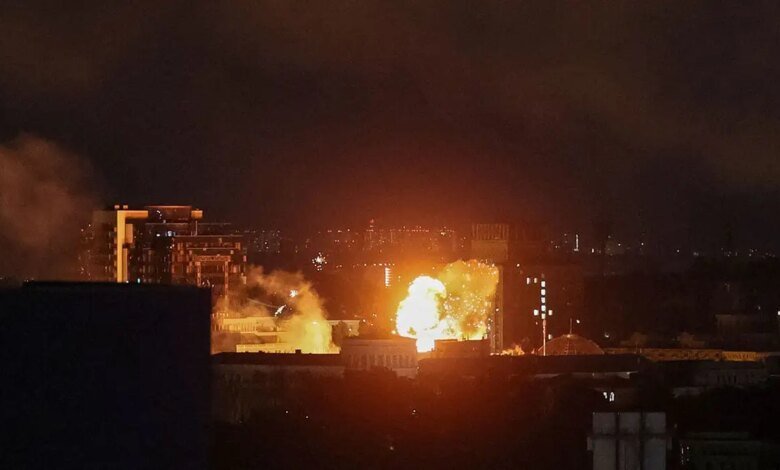
A ballistic missile strike rocked Kyiv early Thursday morning, sending a series of heavy explosions reverberating across the Ukrainian capital and driving residents into underground shelters before dawn.
Kyiv Mayor Vitali Klitschko confirmed that several non-residential sites caught fire as air defense batteries engaged incoming targets. While emergency crews responded to contain the blazes, initial reports indicated no immediate casualties, though military authorities noted that site damage assessments remained ongoing.
The strike unfolded just hours after Ukrainian President Volodymyr Zelenskyy publicly warned of an impending wide-scale overnight attack. Citing operational reports from Ukrainian Air Force Commander Anatolii Kryvonozhko, Zelenskyy revealed that Russian forces had spent days preparing launch packages for a massive barrage.
Ballistic missiles present an exceptionally complex defensive challenge compared to cruise missiles or loitering drones. Traveling along high-altitude parabolic trajectories at hypersonic speeds, these weapons offer target tracking radars and interception systems only minutes to calculate trajectories and deploy countermeasures.

Following the attack, Zelenskyy renewed appeals to Western nations for specialized anti-missile interceptors, emphasizing that civilian protection directly depends on international assistance. He urged partners holding American-made Patriot air defense batteries—among the few surface-to-air systems engineered to destroy advanced Iskander and Kinzhal weapons—to expedite deliveries.
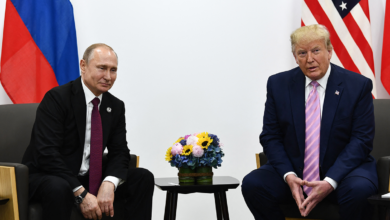
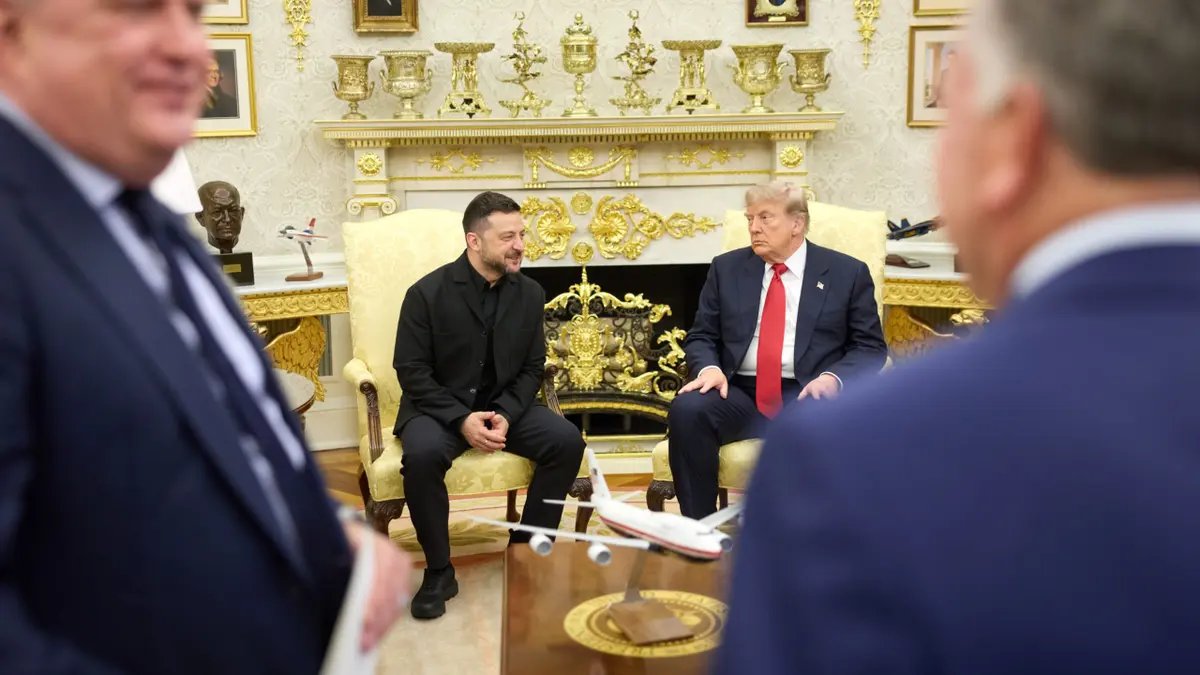
The push for military aid follows high-level diplomatic discussions in Washington between Zelenskyy and U.S. President Donald Trump. During prior negotiations at a NATO summit in Turkey, Trump announced an initiative to license Ukraine for domestic manufacturing of Patriot defense hardware, aiming to establish long-term military self-reliance.
Establishing localized manufacturing facilities for complex anti-missile systems remains a multi-year effort, leaving Kyiv reliant on direct stock transfers from allied inventories as Russia continues targeting capital infrastructure.