FCC Foreign Robot Ban Sweeps Up Smart Vacuums and Portable Power Stations
New regulatory definitions catch consumer smart home devices and portable batteries in national security restrictions.
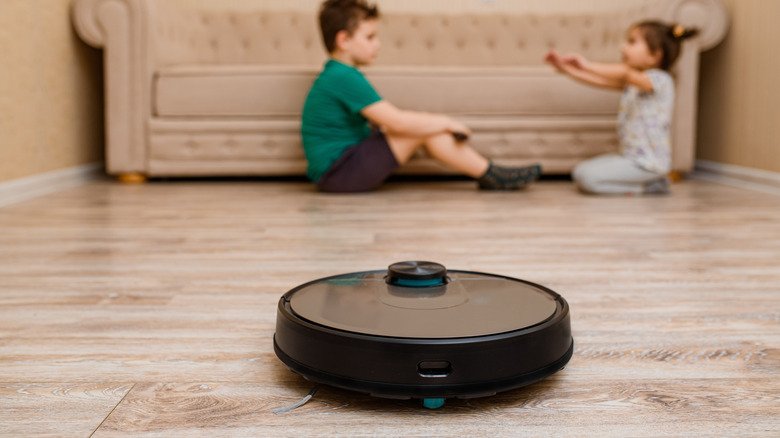
Everyday household appliances are the latest casualties in the US government’s escalating tech cold war. A broad new ban enacted by the Federal Communications Commission targeting foreign-made robotics will also apply to consumer robot vacuums, heavily impacting a market dominated by Chinese manufacturers.
The regulation defines restricted “advanced robotic devices” using a set of criteria that goes far beyond bipedal or industrial machines. Any software-controlled autonomous robot that travels on the ground, senses its environment, features wireless connectivity, and weighs more than 4.4 pounds—inclusive of its charging dock—falls under the restriction.
Because the majority of popular smart vacuums are manufactured overseas, most notably by Chinese brands like Roborock and Dreame, the policy threatens to bottleneck the domestic smart home industry. While existing models currently on shelves in the United States are grandfathered in and can still be sold, any future product iterations or new model launches will require manufacturers to secure a special waiver from the FCC.
The scope of the federal restriction is not limited to autonomous sweepers. The agency is also targeting foreign-made power inverters. Under the FCC’s broad criteria, portable power banks and backup batteries that include an AC outlet and a smartphone companion app could be subject to the same regulatory hurdles, posing an immediate challenge to popular accessory brands such as Anker.
This regulatory maneuver reflects growing Washington anxieties over data privacy and national security. Smart vacuums rely on advanced cameras, LiDAR, and sensors to construct detailed digital maps of users’ home interiors, which security analysts warn could serve as vectors for data harvesting. However, the decision to exempt currently active devices has drawn scrutiny, with critics questioning the national security efficacy of a ban that allows millions of potentially vulnerable devices already in American homes to continue operating without restriction.