Valve Clarifies Steam Machine Order Queues and Releases Technical Updates
The company detailed fixed purchase windows, waitlist fixes, and new FSR 4.1 support via Proton.
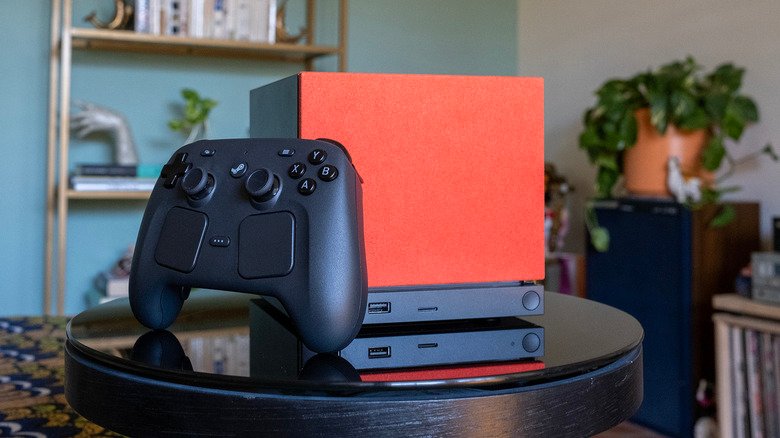
Valve has addressed growing customer confusion regarding order fulfillment for its Steam Machine hardware, clarifying that active reservation holders are not being leapfrogged by waitlisted buyers.
The clarification follows reports from customers who feared waitlist applicants were skipping ahead after receiving immediate purchase invitations. Valve acknowledged that a missing step in its notification system inadvertently sent option-to-order emails directly to waitlist members without prior queue confirmation, causing confusion about order prioritization.
Under the updated system, customers moving off a waitlist will first receive an explicit notification confirming their placement in the formal reservation queue. A separate purchasing email will follow only when hardware inventory becomes available. Valve emphasized that waitlists are drawn from exclusively when a specific product variant and regional reservation queue have been fully exhausted.
Existing reservation holders are scheduled to receive purchase offers by the end of the current calendar year. When an invitation email is dispatched, customers must finalize their transaction within 72 hours, or their spot in line will be forfeited to the next buyer.
Hardware queue systems have become a cornerstone of Valve’s distribution strategy. The company famously adopted tiered reservation lists during the initial launch of the Steam Deck to thwart automated scalping bots and manage supply bottlenecks. Despite initial hardware reviews noting performance limitations relative to price, consumer demand for the compact Steam Machine continues to outstrip supply in multiple regions.
Alongside the logistical updates, Valve released technical enhancements for the platform. Support for AMD’s FidelityFX Super Resolution (FSR 4.1) is now integrated into Proton Experimental. The upscaling technology utilizes frame-generation capabilities to improve visual performance and frame rates across Linux-based SteamOS environments for supported games.
Valve also published CAD design files for the hardware, enabling third-party manufacturers and 3D-printing enthusiasts to create custom accessories and enclosures.