Health Tech to Outpace AI and Robotics in Global Impact by 2030, IEEE Study Finds
A landmark IEEE report identifies personalized medicine, genetic therapy, and proactive AI diagnostics as the most transformative forces facing humanity.
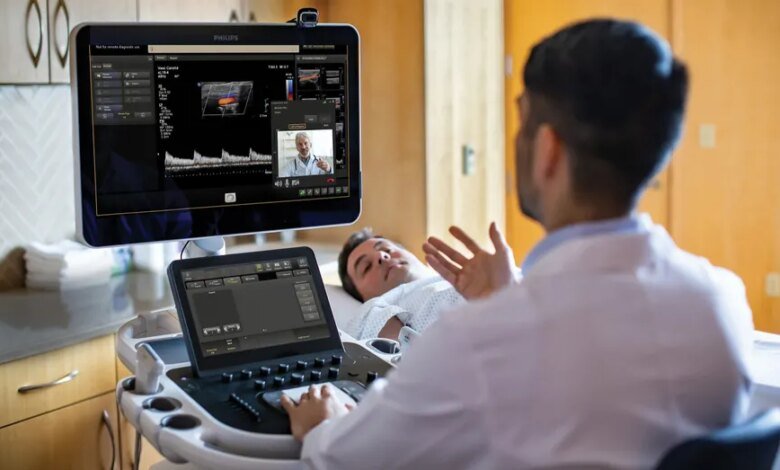
Emerging breakthroughs in medical technology, led by targeted gene therapies, AI-driven diagnostics, and individualized treatments, are poised to deliver a greater benefit to humanity over the next decade than advancements in general Artificial Intelligence, space exploration, or robotics.
That assessment comes from the Institute of Electrical and Electronics Engineers (IEEE), the world’s largest professional technical organization. In its newly released Technology Megatrends 2030 Report, the institute evaluated five critical tech sectors—artificial intelligence, energy, space tech, robotics, and health/biotech—ranking health technology as having the highest potential to reshape human society by 2030.
The findings highlight a fundamental realignment in how medicine is conceived and delivered, marking a pivot away from traditional reactive treatment models toward continuous, proactive protection. As chronic illnesses place an increasing financial strain on healthcare systems worldwide—where non-communicable diseases account for roughly 71% of all global deaths according to the World Health Organization—preventative technology is becoming essential to maintaining economic and institutional viability.
Within the health sector, IEEE researchers evaluated six specific sub-fields, determining that personalized medicine, genetic engineering, and accessible early diagnostics paired with biomarkers represent the most mature innovations with the highest probability of widespread adoption. Other areas evaluated include molecular therapeutics, protein synthesis, and foundational biological research aimed at decoding complex cellular pathways.
Dejan Milojicic, an IEEE fellow and chair of the organization’s Future Directions Committee Industry Advisory Board, noted that the technological shift is fundamentally redefining preventative care. Rather than treating symptoms after a disease manifests, forthcoming clinical systems will rely on early screening and genomic profiling to intercept conditions before onset.
In clinical settings, artificial intelligence is already accelerating this transition, particularly within oncology. Dr. Peter A. Najjar, Vice President of Clinical Innovation at Johns Hopkins Health System, pointed to AI applications that analyze complex medical imaging and genomic sequencing data to tailor cancer care to individual patient profiles. Deep learning algorithms are increasingly capable of identifying microscopic lesions in radiologic scans far earlier than traditional methods permit, enabling precise therapeutic interventions.
Beyond specialized clinical applications, the report projects that the convergence of health tech and physical artificial intelligence will prove crucial for managing demographic shifts. With global aging accelerating—demographic projections indicate that the population of individuals aged 60 and older will reach 1.4 billion by 2030—technologies such as automated virtual nursing and remote patient monitoring are expected to alleviate severe staffing shortages across hospitals and long-term care facilities.
The scope of healthcare technology identified by IEEE extends into agricultural and dietary systems. The report categorizes smart traceability tools, agricultural drones, and targeted nutrition as vital components of public health infrastructure, utilizing machine learning to improve food security and curb lifestyle-driven metabolic diseases.
However, industry experts caution that realization of these advancements hinges on overcoming substantial institutional and regulatory hurdles. The IEEE report identifies medical data privacy, surveillance security, and entrenched healthcare industry culture as primary bottlenecks to adoption. Establishing universal trust frameworks, protecting patient records under evolving regulatory regimes, and ensuring safe deployment remain mandatory prerequisites before advanced predictive technologies can be deployed at scale.