US Blocks Market Access for Foreign Power Inverters and Advanced Robotics over National Security Risks
The Federal Communications Commission blocks foreign energy grid hardware and autonomous robotics citing critical cybersecurity risks.
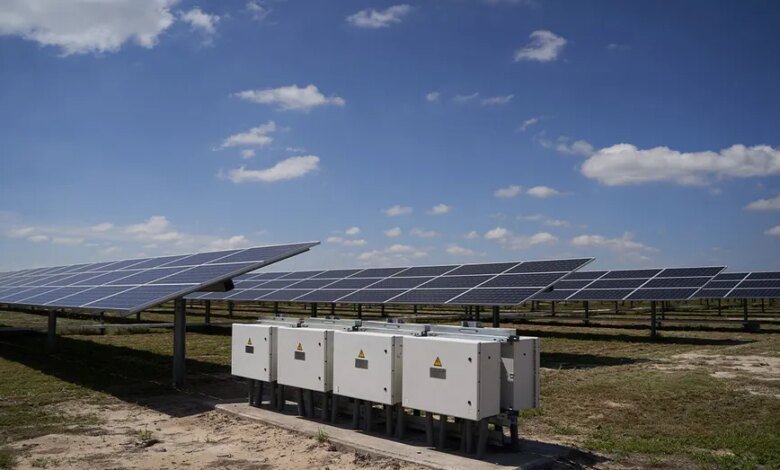
The Federal Communications Commission has expanded its official Covered List to block new authorizations for foreign-produced power inverters and advanced robotic devices, citing critical national security risks to American energy infrastructure and sensitive data networks.
The regulatory action targets key hardware driving the modern electric grid and next-generation automation. Under the new restrictions, foreign-manufactured power inverters—essential components that convert direct current electricity into alternating current for solar power systems and battery storage facilities—will no longer receive routine equipment authorizations required for importation, marketing, and commercial distribution in the United States.
The policy shift extends similar restrictions to foreign-produced advanced robotic devices, including mobile humanoid and quadruped machines equipped with network connectivity and onboard sensors.
National security determinations coordinated by a White House interagency executive branch body concluded that the remote connectivity integrated into foreign power inverters presents systemic supply chain and cybersecurity risks. Because modern renewable energy installations rely heavily on smart inverters to stabilize voltage and communicate with grid operators, foreign firms could exploit remote management features to disable hardware, exfiltrate operational data, or facilitate widespread cyberattacks as inverter-based resources expand across the domestic power grid.
Federal officials similarly cautioned that foreign advanced robotic devices present severe surveillance and operational vulnerabilities. Mobile systems deployed near sensitive critical infrastructure or commercial facilities maintain wireless networking and environmental sensors that could expose classified data to foreign adversaries or allow the machines to be remotely commandeered.
Unlike previous additions to the regulatory watchlist that targeted specific corporate entities like Huawei, ZTE, Hikvision, or Dahua, this designation applies broadly based on manufacturing origin rather than specific companies. However, the rule change operates prospectively: equipment already in active deployment or previously granted regulatory clearance remains unaffected, and individual consumers holding existing devices face no operational bans.
Under the regulatory framework administered by the Federal Communications Commission, manufacturers seeking market access can pursue exemptions through a newly created Conditional Approval process. To qualify, hardware must undergo vetting and receive explicit determination from the Department of Homeland Security for power inverters, or the Department of War for advanced robotics, confirming the equipment does not pose unacceptable national security risks.
FCC Chairman Brendan Carr confirmed that the agency acted in lock step with national security agencies and executive branch directives to protect domestic critical supply chains. The action builds on prior federal bans that systematically restricted foreign-made telecommunications equipment, consumer internet routers, Kaspersky software, and foreign-produced drones from domestic supply chains.