Bill Ackman Warns New York Rent Freezes and Wealth Taxes Risk Capital Flight
Pershing Square founder criticizes NYC rent controls, energy policy, and California's proposed wealth tax.
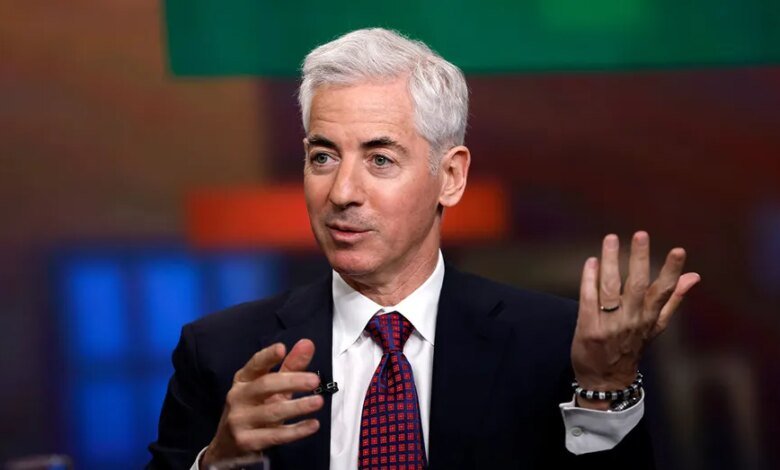
Billionaire investor Bill Ackman warned that New York City’s regulatory policies and proposed municipal reforms will accelerate capital flight and deepen the city’s housing affordability crisis by depressing commercial investment and new residential construction.
Speaking in an interview with Fortune published Wednesday, the founder and chief executive officer of Pershing Square Capital Management LP sharply criticized New York’s rent controls, development barriers, and tax structure. His remarks follow a decision by New York City’s Rent Guidelines Board in June to freeze rents on one- and two-year leases for rent-stabilized units, alongside broader proposals by Mayor Zohran Mamdani that Ackman cautioned would alienate high-net-worth residents and real estate developers.
“The answer isn’t socialism – socialism is a disaster,” Ackman said. “Watch what happens to New York City if [Mayor Zohran] Mamdani succeeds in implementing these plans.”
Ackman targeted municipal governance and rent regulations as primary drivers of regional housing shortages, arguing that supply constraints stem directly from restrictive zoning and permitting environments created by local officials.
“It’s so high because left-wing mayors have made it very difficult for developers to build here, and Mamdani, by freezing rents, is just going to make the problem worse,” he said.
The hedge fund executive stated that state and local regulations prevent property owners from recouping capital expenditure costs required to maintain aging housing stock. He claimed that approximately 60,000 apartments across New York City have been removed from the active rental market because property owners cannot financially justify necessary renovations under existing cost-recovery limits.
“If you make it hard to build where people want to live, and you don’t let landlords recover renovation costs, they’ll pull units off the market,” Ackman said.
He pointed to Austin, Texas, as an example of a market where expanding housing construction succeeded in lowering rental rates.
Turning to regional infrastructure, Ackman attributed elevated utility prices across New York State to regulatory restrictions on energy generation and interstate pipeline development.
“Why are energy costs so high in New York State? Because we’ve shut down nuclear power, it takes 15 years to get a pipeline approved, and we’ve banned fracking – so we’re importing natural gas from Pennsylvania,” he said. “That’s just bad policy, and we can fix a lot of it with better policy.”
On tax policy, Ackman emphasized the economic contribution of wealthy individuals and corporate headquarters, warning against policies such as New York City’s pied-à-terre surcharge on non-primary high-value properties.
“You want people like Ken Griffin locating Citadel here – spending $250 million on an apartment, because that purchase makes a building economically viable, which creates construction jobs and brings in wealthy residents who pay taxes,” Ackman said.
He added, “You don’t want to discourage people like Elon Musk from locating their businesses here.”
Ackman also extended his criticism to state-level wealth surcharges, citing California’s Proposition 40, which would impose a one-time tax equal to 5% of the net worth of billionaires who were California residents on Jan. 1, 2026.
“Look at what’s happening in California right now with the wealth tax – they say it’s ‘one time,’ but it’s never one time,” he said.
Broadening his assessment of financial markets, Ackman noted that market-driven wealth expansion has failed to reach a broad segment of the American population.
“One of our biggest challenges as a country is that almost half the country isn’t participating in the growth in value created by capitalism – the stock market,” he said.
He emphasized that stagnant wage growth relative to market returns fuels broader economic dissatisfaction.
“Part of that is people feeling left behind – wages can’t compound as quickly as stocks, so everyone needs to participate in the market to believe in capitalism,” he said.
Mamdani could not immediately be reached for comment.