Sega Dreamcast Ecosystem Persists as Indie Developers Launch New Games Decades After Discontinuation
Decades after Sega exited console hardware, an unpatchable architecture and dedicated indie community keep the system active.
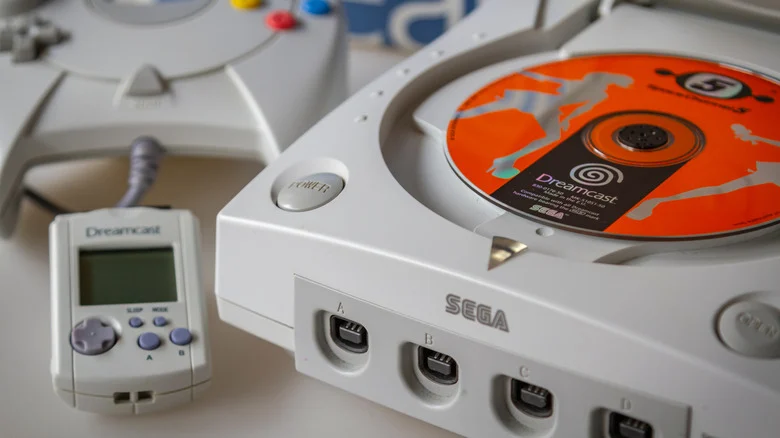
When Sega officially discontinued the Dreamcast in March 2001, pulling out of the home video game hardware market to focus exclusively on software publishing, few industry analysts expected the machine to remain commercially active more than two decades later. Overshadowed by the financial fallout of the Sega Saturn and overwhelmed by the overwhelming market launch of Sony’s PlayStation 2, Sega capped the active retail life of its 128-bit console at roughly two and a half years. Yet, in an era defined by mandatory online authentication and modern server shutdowns, the platform has maintained a unique afterlife as an independent game development ecosystem.
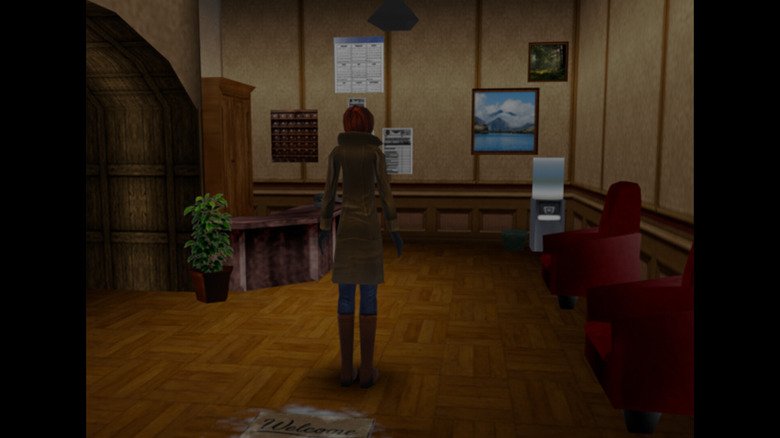
The platform’s ongoing viability is highlighted by recent independent publishing ventures. Story Bird Studios, working with retro video game publisher PixelHeart, introduced a project on the Kickstarter crowd-funding platform for White Creek, a survival-horror game. Starring an exorcist named Alicia Morelli investigating paranormal occurrences in a snowbound town, the game relies on fixed camera angles, resource management, and 3D environment rendering specifically designed around the Dreamcast’s processing capabilities. Although planned for PC release via Steam, the studio built the title to maximize the console’s architecture, which historically mirrored Sega’s NAOMI arcade hardware.
The Dreamcast occupies a specific technical sweet spot in hardware history. Launching in Japan in late 1998 before its global release in 1999, it was the first home console featuring an integrated dial-up modem, establishing early console network infrastructure for titles like Phantasy Star Online, Sonic Adventure, SoulCalibur, Jet Set Radio, Shenmue, and ChuChu Rocket!. However, because late-1990s system security lacked persistent firmware updates or remote network lockout capabilities, Sega possessed no technical mechanism to disable offline software execution or restrict non-standard code execution after terminating official network support.
Hobbyists and independent developers quickly discovered that the system’s reliance on the proprietary GD-ROM format contained a major security gap: built-in support for the MIL-CD format allowed standard optical CD-Rs to boot directly without requiring physical modchips or console modification. This structural accessibility created a permanent foundation for homebrew software, custom emulators, and physical commercial releases from independent entities like JoshProd and PixelHeart. Community hubs including The Dreamcast Junkyard and dedicated online forums continue to document new releases, while fan groups maintain custom servers that restore online multiplayer functionality to classic titles.
<img class="gallery-image " src="https://nile1.com/en/wp-content/uploads/2026/07/the-dreamcast-bridge-1784841520.jpg" data-slide-url="https://www.engadget.com/2222199/sega-dreamcast-console-new-games/" data-post-id="2222199" data-slide-num="2" data-slide-title="Sega's Dreamcast retro console is still getting new games 25 years after it was abandoned: The Dreamcast bridge" width="780" height="438" alt="Playdate with a purple cover in someone's hands” />
This persistent hardware model contrasts sharply with modern console management trends. Major manufacturers routinely sunset legacy digital storefronts—demonstrated by Sony ending support for original digital stores on the PlayStation 3 and PlayStation Vita—restricting long-term access to digital titles. In contrast, open hardware initiatives like Panic’s Playdate handheld, which debuted in 2022 with an open software ecosystem hosting over 1,600 community titles on itch.io, mirror the unrestrictive developer environment that has allowed the Dreamcast to sustain continuous software production for a quarter of a century.