Trump Cancels Planned Iran Strikes as Allies Seek to Reopen Strait of Hormuz
Five-month conflict and threats to maritime corridors continue to drive energy market volatility.

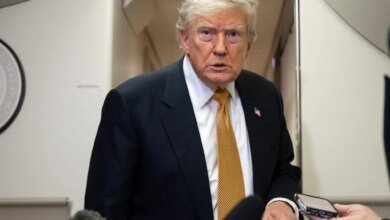
U.S. President Donald Trump canceled planned military strikes against Iran on Saturday after claiming Middle Eastern allies established preliminary terms for a deal to halt the five-month regional war and reopen commercial shipping lanes in the Strait of Hormuz.
The move directly impacts the world’s most vital energy corridor. According to data from the U.S. Energy Information Administration, the Strait of Hormuz handles roughly 20 percent of global petroleum liquids consumption, carrying an average of 20 million barrels per day of Crude oil, condensate, and refined products.
Responding to Washington’s sudden stand-down, Iran’s defense minister stated that national defense forces were “neither surprised nor passive” and maintained an active battle posture. The exchange followed a 13-day U.S. bombardment of Iranian military and commercial targets that ended July 27, during which Tehran launched retaliatory drone and missile strikes against regional facilities housing U.S. troops.
The August cancellation marks the latest turn in a five-month cycle of military threats followed by sudden halts that have elevated maritime insurance rates and driven price volatility across global commodity markets. On June 11, Trump threatened to take “total control” of Iran’s oil and gas industries before calling off strikes hours later, while U.S. forces targeted Iranian tankers on May 8 to terminate a temporary ceasefire extension granted on April 21.
Negotiators had previously established a 60-day framework on June 17 aimed at securing a permanent cessation of hostilities and formalizing nuclear program terms. However, that agreement collapsed when U.S. forces launched fresh strikes from Ankara during the NATO summit on July 7 following attacks on commercial vessels in the strait.
The broader conflict originated on February 28 with combined Israeli and U.S. military strikes, leading to an initial two-week ceasefire on April 7 that was executed less than two hours prior to a U.S. deadline threatening strikes on Iranian bridges and power stations.