Cantor Fitzgerald Partners With Securitize to Launch Blockchain-Native Stock Offerings
The partnership aims to bring regulated, instantly settling tokenized shares to the IPO market, challenging controversial synthetic wrapper models.
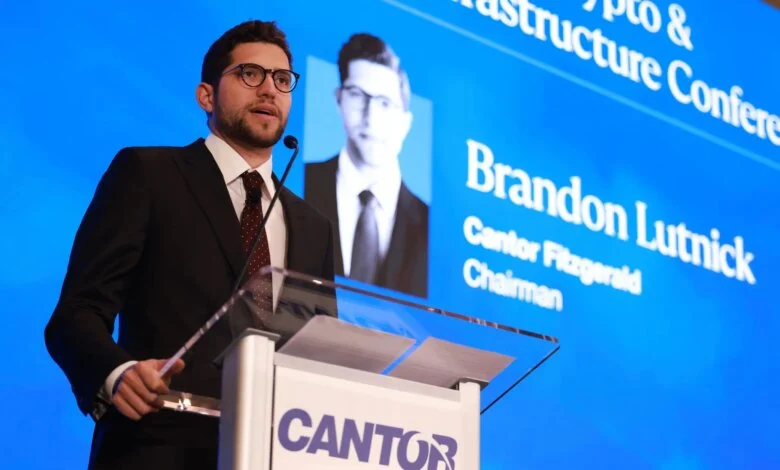
The plumbing of the global financial system is undergoing a quiet but profound transformation. For years, advocates of decentralized ledger technology have championed a vision of the U.S. equities market where trading never sleeps, and where the multi-day clearing and settlement process is replaced by instantaneous, blockchain-verified transactions. While this market for tokenized shares remains in its infancy, it received a major institutional endorsement on Wednesday. Cantor Fitzgerald, a prominent Wall Street investment bank, announced a strategic partnership with Securitize, a Miami-based digital asset specialist, to help companies issue blockchain-native shares directly on the blockchain when they go public.
The collaboration represents a significant shift in how digital securities are structured and distributed. Securitize has built its reputation on creating blockchain-native shares that are designed from the ground up to comply with existing federal securities laws, functioning much like traditional equities but with the added efficiency of distributed ledger technology.
This approach stands in sharp contrast to the wrapper model currently favored by retail-focused platforms like Robinhood and Kraken. Under the wrapper model, intermediaries purchase blocks of traditional stock—such as Tesla or Apple—and hold them within a special purpose vehicle (SPV). They then issue synthetic tokens that track the underlying value of those shares. While this method has quickly expanded access to U.S. equities for retail investors in emerging markets like Brazil and South Africa, it remains highly controversial. Because these synthetic tokens are issued without the consent or involvement of the underlying corporations, they exist in a regulatory grey area and offer companies no control over how their equity is traded.
By contrast, the blockchain-native shares championed by Securitize and its rivals, such as SuperState, require direct corporate participation. Under this framework, issuers maintain full oversight and direct relationships with their tokenized shareholders.
Until now, the vast majority of tokenized share trading has occurred via the wrapper model, largely because very few companies have chosen to issue their equity natively on a blockchain. To date, only a handful of pioneers—including crypto financial services firm Galaxy, digital lending platform Figure, and Securitize itself—have utilized blockchain-native issuance. Cantor Fitzgerald’s entry into this space could change that dynamic by providing the institutional backing necessary to convince mainstream issuers to adopt the technology.
Ben Boehmke, Head of Strategies for Equities at Cantor Fitzgerald, explained that the investment bank chose to partner with Securitize because of its strict compliance-first approach. As digital assets become more institutionalized, Boehmke anticipates that a rising generation of crypto-native founders will naturally prefer to issue shares on the blockchain when taking their companies public.
“We also see a thriving market where clients and issuers may be very interested in dipping a toe in the water and doing 5% to 10% of their offering in tokenized form,” said Ben Boehmke. “You can easily see circumstances where hedge funds, in particular, that are digitally native, being able to offer a sleeve of your IPO in tokenized form.”
The push into tokenized shares is a natural extension of Cantor Fitzgerald’s existing footprint in the digital asset ecosystem. The firm already serves as a key custodian for the reserves backing Tether, the world’s largest stablecoin, and manages specialized investment funds focused on Bitcoin and tokenized gold. According to Ben Boehmke, Cantor’s ambitions in this space extend beyond initial public offerings; the firm also plans to facilitate follow-on offerings and other corporate actions using blockchain-native structures.
This evolution comes at a critical time for market infrastructure. While the traditional stock market recently transitioned to a T+1 settlement cycle to reduce systemic risk, blockchain technology offers the ultimate goal of T+0, or instantaneous settlement. This eliminates the need for clearinghouse intermediaries and frees up capital that would otherwise be locked up during the settlement window.
Billy Miller, the Chief Operating Officer of Securitize, believes that the blockchain-native model will ultimately eclipse synthetic wrappers because it offers a safer, more transparent, and legally robust framework for both issuers and investors.
According to Billy Miller, the momentum behind this model will accelerate as regulatory frameworks around the globe mature. He noted that corporate executives at major companies like Apple are increasingly aware that unauthorized synthetic versions of their stock are trading globally with minimal oversight. This realization is driving corporate interest toward tokenization, and Billy Miller expects that, over time, these major enterprises will seek out regulated, blockchain-native alternatives to regain control over their digital equity footprint.