Why the PlayStation 4 Refuses to Die and What It Reveals About the Future of the PS5
How x86 hardware design and $200M game budgets are changing how long consoles stay active.
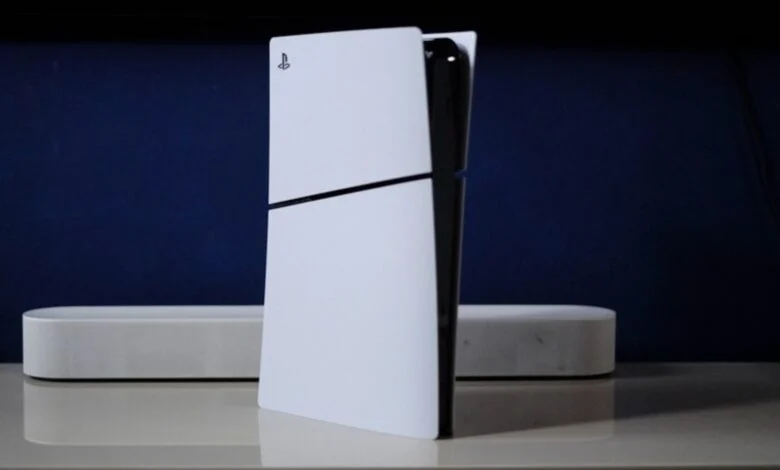
Modern video game consoles no longer suffer the immediate operational end that defined earlier hardware eras. Where system transitions once forced players to abandon older machines within a few years, standard silicon architectures and expanding digital ecosystems have extended the operational shelf life of devices like the PlayStation 4 far beyond historical norms. Over thirteen years after its 2013 debut, Sony‘s eighth-generation console continues to receive system security patches and maintain active user bases across major online titles.
This persistent utility stems largely from an architectural shift. When Sony launched the PlayStation 4, it abandoned the complex Cell Broadband Engine of the PlayStation 3 in favor of standard x86-64 processor hardware—a core architecture retained in the PlayStation 5, which debuted in 2020. Because both hardware generations share instruction sets and underlying system APIs, engineering teams can deploy security patches, refine system kernels, and maintain network software across legacy devices with far less friction than in previous generations.
Despite ongoing system maintenance, core support for last-generation systems is entering its final phase. High-profile multiplayer titles like Call of Duty: Warzone are preparing to end service on the PlayStation 4 and Xbox One later this year. On the first-party development side, Sony largely completed its cross-generation transition following 2022’s God of War: Ragnarok, as major blockbusters increasingly require the raw throughput of high-speed NVMe solid-state drives and dedicated hardware ray-tracing accelerators found in modern consoles.
The primary driver lengthening console survival is the ballooning scale of contemporary game production. AAA project budgets routinely exceed $200 million, stretching development timelines to six years or longer. Prominent internal studios such as Naughty Dog have yet to release a completely original title built natively from the ground up for the current console generation. Unannounced projects and ambitious original titles like Intergalactic: The Heretic Prophet highlight how prolonged production schedules force publishers to rely on prolonged hardware lifecycles to recover massive development investments.
Simultaneously, ubiquitous live-service games like Fortnite and Roblox maintain millions of active users on older hardware, where visual concessions do not compromise core mechanics. These platform-style titles lessen the pressure on players to upgrade immediately. As media consumption trends move away from physical discs—with expectations growing that physical media support could wind down entirely around 2027—Sony and the broader industry are positioning current platforms like the PlayStation 5 for unprecedented longevity ahead of future, potentially higher-priced hardware generations like the PlayStation 6.