Oil Tumbles and Stock Futures Rally as Trump Pauses Iran Strike Plans
Crude prices fall over 4% while Wall Street shifts focus to upcoming labor data and Federal Reserve policy uncertainties.
U.S. crude oil fell 4.5% to $80.85 a barrel Sunday evening as diplomatic maneuvers in the Middle East temporarily averted a direct military clash between the United States and Iran.
Brent crude dropped 4.6% to $83.90, easing immediate concerns over potential disruptions in the Strait of Hormuz, a transit route for roughly a fifth of global liquid petroleum consumption.
Equity futures rallied in overnight trading. Dow Jones Industrial Average futures rose 189 points, or 0.36%, S&P 500 futures gained 0.41%, and Nasdaq futures added 0.89%. The yield on the benchmark U.S. 10-year Treasury note fell 2.7 basis points to 4.718%.
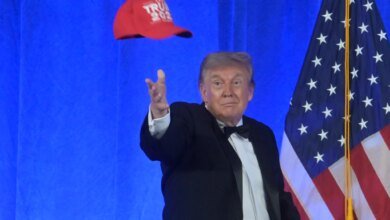
The selloff in crude followed President Donald Trump’s decision late Saturday to hold off on a threatened military strike against Iranian targets, citing appeals from international allies. Dennis Citrinowicz, a former Israeli intelligence official specializing in Iranian affairs, noted on X that “Iran appears to hold the strategic advantage in deterrence,” pointing to Tehran’s deployment of regional proxies including Houthi rebels targeting shipping in the Bab el-Mandeb Strait.
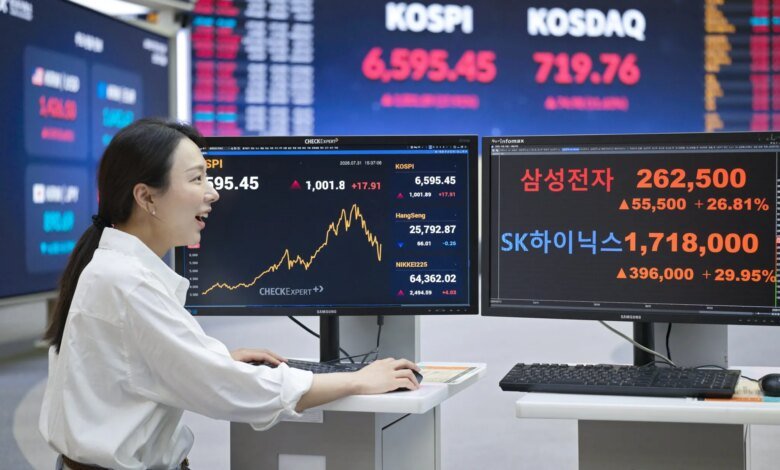
In Asian trading on Friday, South Korea’s Kospi index surged 18% following regulatory crackdowns on high-leverage trading schemes that had driven severe market volatility earlier in the month.
U.S. markets now turn to domestic economic data, with the U.S. Bureau of Labor Statistics scheduled to release its monthly nonfarm payrolls report on Friday. Economists project an addition of 85,000 jobs for the month, with the national unemployment rate expected to edge up to 4.3% from 4.2%. ADP private payroll data on Wednesday and weekly jobless claims on Thursday will precede the official report.
The labor metrics follow what market participants termed a “credibility shock” from Federal Reserve Chairman Kevin Warsh last week. Warsh declined to offer traditional forward guidance on interest rates, suggesting the central bank may rely on alternative data points and market-based indicators to guide its inflation strategy.
Economists at Bank of America noted that Warsh’s dovish tone could force other FOMC members into a more hawkish posture to maintain policy equilibrium. In their view, a steepening Treasury yield curve following strong employment data would signal investor concern that the Fed is falling behind on inflation, while a flattening curve would indicate continued confidence in its price stability mandate.