Tractor Supply Shuts Down 75 Petsense Stores, Scales Back Growth Targets
The rural retailer is eliminating cash-draining store footprint to double down on core store renovations and digital pet services.
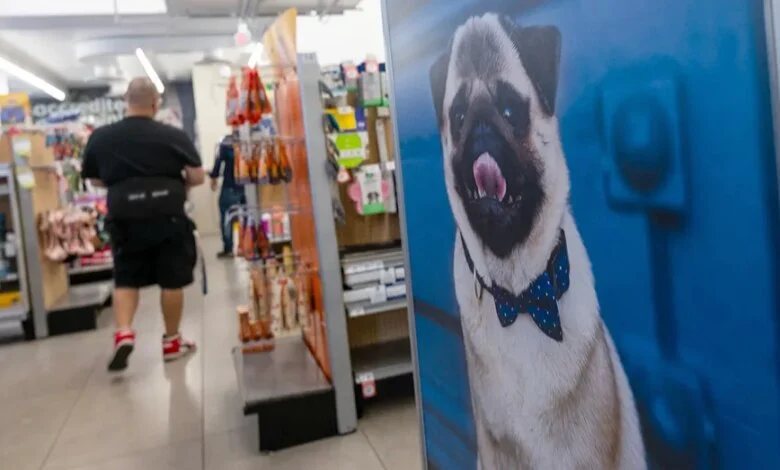
Rural lifestyle retailer Tractor Supply Co. is undertaking a significant restructuring of its specialty pet footprint, announcing plans to shut down roughly 75 underperforming Petsense stores while simultaneously scaling back its future retail growth targets.
The closures target more than a third of the Petsense network, which comprised 209 operational stores across 23 states as of late June. Executive leadership disclosed during the company’s recent financial update that the targeted locations were consistently generating negative four-wall cash flow, meaning localized sales failed to cover baseline operating expenses such as site rent, labor, and store inventory.
Addressing shareholders, Chief Executive Officer Hal Lawton stated that shedding loss-making outlets would simplify operations and free up resources for opportunities offering superior financial returns. Chief Financial Officer Kurt Barton added that the strategic repositioning aims to yield a healthier business model that better complements the core Tractor Supply brand.
The decision comes despite strong overall consumer demand across the pet care market, an industry that experienced rapid growth over the past decade. Tractor Supply plans to focus its specialty pet offerings through a consolidated network of profitable Petsense stores integrated alongside digital pet pharmacy platform Allivet and mobile clinic provider VIP Petcare. Executive management emphasized that pet supply sales inside standard Tractor Supply locations remain strong and are managed independently from the Petsense standalone footprint.
Alongside the store closures, Tractor Supply modified its medium-term store opening targets. For 2027, the company now plans to launch between 85 and 90 new locations, down from a previous target of 100 stores. Capital saved from reduced construction plans and store cutbacks will be funneled into Project Fusion, an internal store layout overhaul aimed at expanding higher-yield product categories and enhancing in-store pick-up logistics.
This real estate rationalization reflects a broader shift across the retail industry, where major brick-and-mortar operators are increasingly prioritizing store-level efficiency and return on invested capital over aggressive physical expansion in response to elevated operating costs.