Internal Friction Mounts at Federal Reserve as Energy and Tech Shocks Fuel Rate Hike Bets
Geopolitical energy disruptions and artificial intelligence supply pressures strain central bank unity ahead of July rate decision.

Growing divisions within the Federal Reserve are setting the stage for one of the most contentious monetary policy decisions in recent history, as central bankers gather for their July meeting amidst mounting pressures to restart interest rate increases. Wall Street analysts expect multiple formal dissents against maintaining the current rate stance, driven by persistent inflation and compounding global supply shocks.
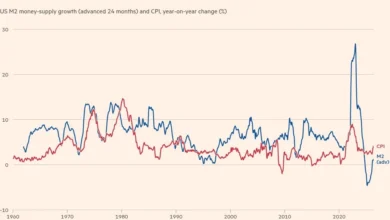
Financial markets have dramatically recalibrated their expectations ahead of the two-day Federal Open Market Committee (FOMC) gathering. According to data from the CME Group FedWatch tool, traders are now pricing in a 34.2 percent probability of a quarter-point rate hike this week, up sharply from 12.8 percent just seven days prior. The shift reflects deteriorating confidence that inflation will naturally revert to the central bank’s official 2 percent target, which price growth has exceeded for five consecutive years.
The renewed inflationary momentum stems from twin macroeconomic headwinds. The breakdown of a U.S.-Iran ceasefire has reignited conflict across the Middle East, sparking fresh security threats against maritime shipping routes in the Red Sea, Persian Gulf, and Black Sea. With crude oil inventories approaching operational lows, energy prices have rallied once again. Concurrently, unprecedented capital expenditures by technology hyperscalers driving the artificial intelligence boom have created acute semiconductor shortages, leading to widespread cost increases for consumer electronics.
This dual supply-demand shock presents a complex operational dilemma for Federal Reserve Chair Kevin Warsh. Central banks traditionally aim to look through temporary supply disruptions to avoid overtightening monetary policy. However, prolonged exposure to high energy and tech input costs threatens to de-anchor consumer inflation expectations, putting the central bank’s core price stability mandate at risk.
Internal debate over this policy tradeoff has intensified since Warsh took office, marked by his public characterization of committee discussions as a necessary “family fight”—a term he has used 13 times publicly since his April nomination hearing. While Warsh’s inaugural meeting last month resulted in a unanimous decision to hold rates steady, several regional bank presidents and governors have signaled that their patience with elevated prices is exhausted as Warsh seeks policy regime change.
Wall Street forecasters, including economists at TD Securities and JPMorgan, anticipate at least two hawkish dissents at the conclusion of the July meeting. Dallas Fed President Lorie Logan and Cleveland Fed President Beth Hammack have both voiced deep concern regarding upside risks to prices, with Hammack noting that local businesses and consumers are expressing growing distress over sustained inflation while the labor market sits near maximum capacity.
Similarly, Fed Governor Christopher Waller cautioned against passive policy, asserting that central bankers cannot simply wait for inflation to melt under a withering gaze without taking decisive action. Conversely, dovish counterweights within the committee—including Vice Chair Philip Jefferson, Governor Lisa Cook, and New York Fed President John Williams—continue to favor patience, viewing current policy as sufficiently restrictive.
While a rate hike remains a minority expectation among forecasters, investment banks note that Warsh holds the strategic leverage to swing the outcome. Economists at Bank of America noted that failing to act risks eroding the Fed’s inflation-fighting credibility, though a rate hike would mark a departure from Warsh’s stated preference to overlook temporary supply shocks. Bank of America continues to project three quarter-point rate hikes before the end of the year, underscoring the narrow margin guiding the Fed’s immediate policy trajectory.