Zhibao Technology Inks $220 Million Bitcoin Deal in Change-of-Control Financing Agreement
Shanghai-headquartered insurtech provider Zhibao Technology Inc. has entered into a non-binding term sheet for a private investment in public equity (PIPE) transaction valued at approximately $220 million, structured entirely around a payment of 3,500 Bitcoin. If completed, the transaction will hand majority board control of the Nasdaq-listed company to buyer Joyertech and Information OPC.
Under the proposed structure, Joyertech will acquire newly issued equity directly from Zhibao using cryptocurrency rather than traditional cash reserves. Upon closing, the investor is slated to appoint a majority of Zhibao’s board of directors, effectively transferring corporate control while existing executives temporarily maintain operational oversight of the legacy insurance operations pending future restructuring or separation.
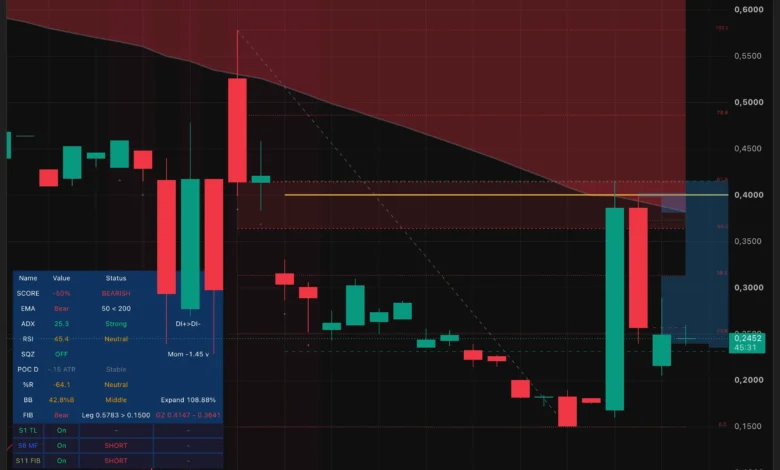
News of the agreement triggered sharp volatility in Zhibao’s stock (ticker: ZBAO). Shares spiked from $0.15 to $0.40 within hours before settling near $0.24, reflecting an overall gain of approximately 60 percent. The market movement comes shortly after Zhibao disclosed on July 15 that it had received a deficiency letter from Nasdaq for failing to meet the exchange’s $1.00 minimum bid price requirement. The company has a 180-day grace period, extending through January 6, 2027, to regain compliance.
Zhibao launched China’s first digital insurance brokerage platform in 2020 using a proprietary platform-as-a-service (PaaS) architecture designed for embedded 2B2C distribution. However, the proposed transaction signals a major shift in direction, adopting a direct asset-injection approach rather than raising cash to purchase digital assets on open markets—a tactic previously popularized by corporate treasury adopters such as Strategy (formerly MicroStrategy).
While over 150 publicly traded companies currently hold Bitcoin on their balance sheets, direct treasury conversions carry operational and market risks. A recent case involved U.K.-based Satsuma Technology, which was forced to sell its Bitcoin holdings, return capital to shareholders, and wind down operations after market conditions shifted.
Zhibao emphasized that the term sheet remains non-binding and contingent upon definitive agreements, thorough due diligence, custodial arrangements, audit verification, regulatory clearances, and formal Nasdaq approval.