Why High-End Wear OS Watches Like the Oppo Watch X3 Remain Out of Reach for US Buyers
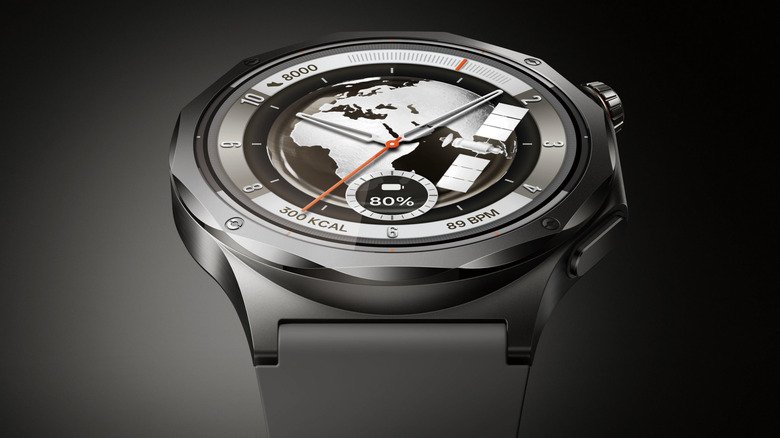
American consumers looking for high-performance Android wearables frequently encounter a structural market boundary: some of the most competitive hardware on the market never officially reaches North America. The Oppo Watch X3, a Wear OS device equipped with Qualcomm’s Snapdragon W5 processor, strong battery life, and durable construction, exemplifies a growing segment of mobile technology that remains entirely absent from official US retail channels.
The absence of Oppo’s wearable lineup in the United States reflects strategic and financial realities rather than product quality. Establishing a consumer hardware presence in North America requires extensive local infrastructure, including regulatory compliance testing, national distribution logistics, dedicated customer service, and direct carrier agreements for cellular connectivity. Without a primary smartphone business operating in the region, launching standalone smartwatch hardware presents an unacceptably high financial risk for international manufacturers.
Corporate overlap and brand positioning further complicate product distribution. Oppo operates alongside several hardware brands under the broader BBK Electronics umbrella, including OnePlus. The Oppo Watch X3 shares almost identical internal specifications, hardware dimensions, and silicon with the OnePlus Watch 4. As OnePlus reduces its operational footprint across North America and Europe, Oppo has shown little interest in expanding its own branded consumer hardware into those same markets.

Heavy market concentration also deters entry. Apple continues to dominate the North American smartwatch segment, leaving non-Apple manufacturers such as Samsung, Google, and Garmin competing for a much smaller market share. Breaking into this landscape requires substantial marketing investment with limited guaranteed return. At the same time, geopolitical friction and heightened regulatory scrutiny—evidenced by strict Federal Communications Commission rules introduced in recent years regarding foreign hardware—have made foreign telecommunications firms increasingly cautious about launching hardware stateside.
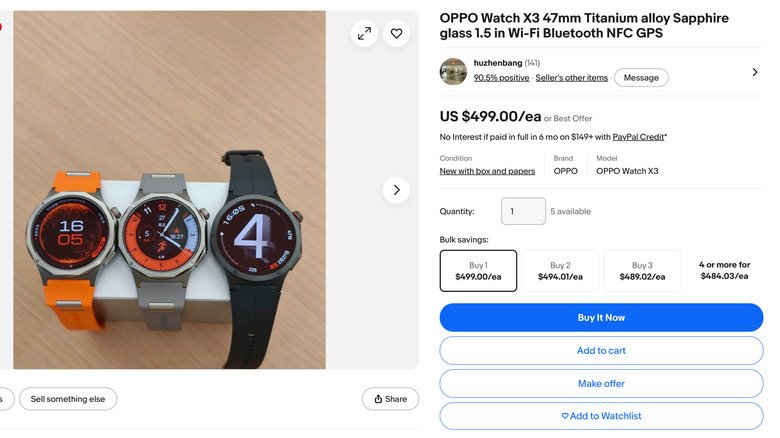
For dedicated technology buyers, grey-market imports through online marketplaces such as eBay or AliExpress remain the primary option to obtain global versions of the Oppo Watch X3. However, importing foreign hardware carries noticeable compromises. The global edition lacks cellular eSIM functionality, limiting connectivity strictly to Bluetooth and Wi-Fi networks. Additionally, buyers risk potential import duties, lack of local warranty protection, and uncertainty surrounding localized long-term software support.