Dollar Tree to Close 75 Stores in Fiscal 2026 While Expanding Overall Footprint
The discount retailer is closing dozens of locations while opening 400 new stores and targeting wealthier suburban shoppers.
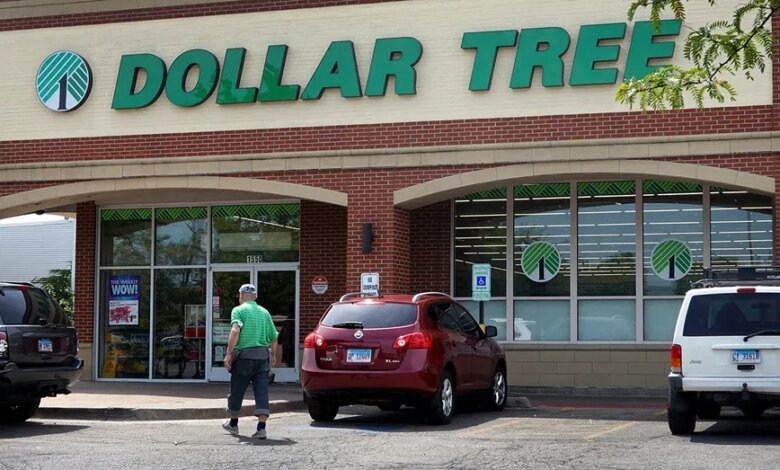
Discount retail giant Dollar Tree is executing a major real estate realignment, announcing plans to shutter approximately 75 stores in fiscal 2026 even as it aggressively expands its overall footprint with 400 new locations.
The Chesapeake, Virginia-based company disclosed the strategic adjustments in its first-quarter earnings report. By focusing on high-growth regions and modernizing its existing fleet, the retailer expects its net store count to increase by the end of the fiscal year. During the first quarter, Dollar Tree opened 113 new stores, bringing its total operational footprint to 9,382 locations across the United States and Canada.
A central pillar of the company’s modernization strategy is the rapid rollout of its multi-price format. Dollar Tree converted or added roughly 630 locations to this multi-price model during the first quarter, bringing the total number of stores selling items at various price points to approximately 5,900. This transition marks a significant departure from the traditional single-price-point model, allowing the retailer to expand its merchandise selection and offset rising operational costs driven by broader macroeconomic pressures.
This shift comes at a time when persistent inflation has altered consumer shopping habits across North America. According to data from the U.S. Bureau of Labor Statistics, elevated consumer prices have forced many households to stretch their budgets. Consequently, discount retailers have increasingly targeted wealthier demographics.
An analysis by Bloomberg News highlighted this demographic pivot, revealing that 49% of new Dollar Tree stores opened over the last six years were located in wealthier suburban and urban neighborhoods, compared to 41% in the preceding six-year period. By moving into more affluent areas, the company aims to capture higher-income shoppers who are actively “trading down” to manage household expenses.
In a statement accompanying the earnings release, CEO Mike Creedon expressed confidence in the company’s long-term trajectory. Creedon noted that as the company approaches its 40th anniversary in 2026, leadership remains focused on making thoughtful investments in store conditions, merchandise assortment, and the overall customer experience to ensure the brand’s long-term viability.