Tuchel Defends Tactical Shift as England Grapple With Late World Cup Collapse
England manager accepts responsibility for semi-final exit while citing fatigue and tactical necessity.
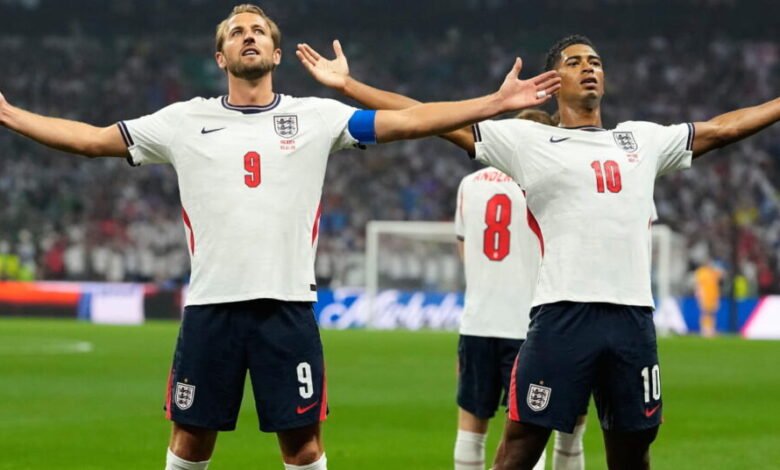
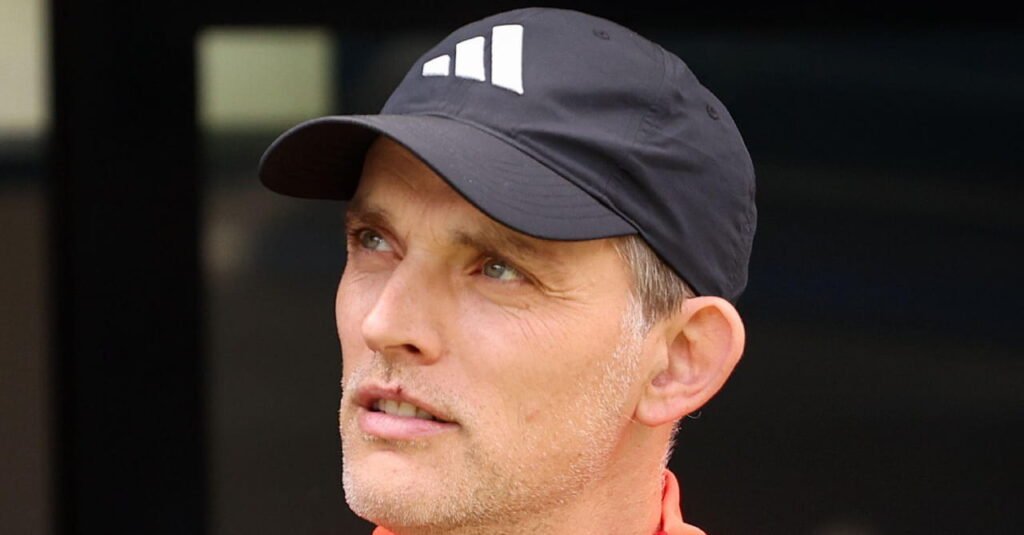
MIAMI — England manager Thomas Tuchel has mounted a firm defense of his tactical management following the Three Lions’ agonizing World Cup semi-final exit, insisting he has no regrets despite the late collapse that ended the nation’s hopes of a first final in six decades.
Speaking ahead of Saturday’s third-place play-off against France, Tuchel accepted full responsibility for the 2-1 defeat to Argentina but maintained that his decisions were born of competitive intuition. England had been five minutes away from their first men’s final since 1966 before a late surge from the South Americans turned the match on its head.
“If you need someone to blame, I take the responsibility,” Thomas Tuchel told reporters in Miami. “I took several decisions, trusting my instinct, my intuition, my experience and my competitiveness. I took those decisions to help the team get the result. We didn’t get the result.”
England appeared to be in control after Anthony Gordon provided the opening goal, but the momentum shifted as the match entered its final stages. Argentina, the reigning world champions, struck twice through Enzo Fernandez and Lautaro Martinez to snatch victory. Tuchel noted that the tactical shift to a back five was a direct response to the pressure applied by Lionel Scaloni’s side.
“They had a lot of offensive changes and a lot of offensive positions,” Tuchel explained, detailing the technical challenges of containing a high-caliber opponent. “We could not stop the crosses and we could not stop the runners into the box. So we decided to play a back five, to have more width in the field and be closer to the players delivering the crosses.”
While the change was intended to provide defensive stability, Tuchel admitted the execution faltered. “We just became too passive, and Argentina found another gear,” he said. “We played against the reigning world champions, we were 1-0 up after 85 minutes against the best player in the world, and we lost 2-1. That is painful.”
The manager also dismissed critiques regarding the positioning of captain Harry Kane, who appeared increasingly isolated as England retreated. Tuchel argued that Kane’s deep positioning was a natural byproduct of a team defending in a block rather than a specific instruction to the striker.
Physical Toll and Environmental Factors
Beyond tactical choices, Tuchel pointed to the grueling physical demands placed on his squad during the knockout rounds. The path to the semi-final included a high-intensity clash against Mexico, where England played more than 40 minutes with 10 men at high altitude, followed by a taxing encounter against Norway in the oppressive Miami heat.
“The players literally gave everything physically in every single match,” Tuchel said, citing internal performance metrics. “If you see this drop in the data, there must be a reason behind it because the motivation was through the roof.”
The upcoming third-place play-off offers England a chance to secure their best World Cup finish in 60 years, surpassing the fourth-place finishes of 1990 and 2018. Despite the disappointment of missing the final, Tuchel believes the experience will serve as a catalyst for the squad’s future development.
“We feel this pain most of all, and it is our scar that we carry now,” he said. “It is my pain and the players’ pain. We will overcome it, we will use it and we will have a reaction.”