Macro Relief Sparks Global Market Rally as Cooler Inflation Eases Pressure on Risk Assets
While Bitcoin and equities bounce on easing rate worries, escalating geopolitical tensions push Brent crude above $85.
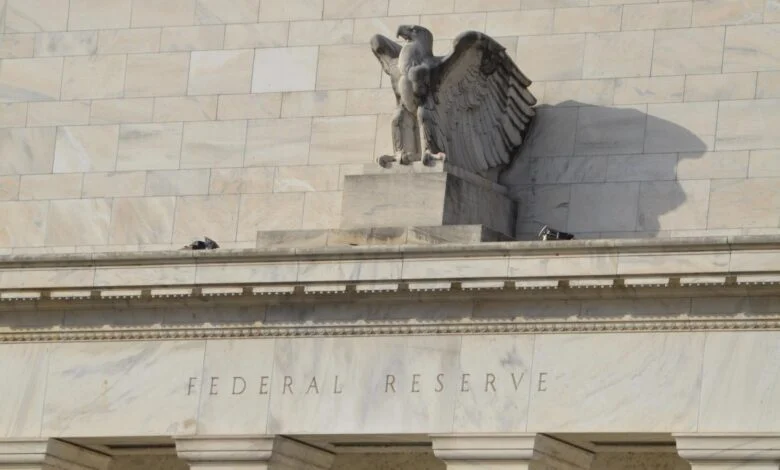
The latest macroeconomic data has provided a sigh of relief for global financial markets, reinforcing the narrative that inflation is gradually cooling. For digital assets, which have spent much of the past two years navigating the Federal Reserve’s aggressive monetary tightening cycle, this shift in macroeconomic momentum is critical. Historically, higher interest rates have acted as a major headwind for cryptocurrency markets. When the Fed raises rates, cash and Treasury bonds start paying a decent, guaranteed return, giving investors far less incentive to hold volatile assets that pay no yield and can easily swing 5% in a single trading session. Conversely, cooler inflation suggests the central bank has less pressure to raise rates further, weakening the appeal of cash and allowing capital to flow back into riskier asset classes.
This dynamic was on full display following the latest inflation print. While some market participants have long championed Bitcoin as an inflation hedge or “digital gold,” its actual market behavior often tells a different story. “Bitcoin remains a rate-sensitive risk asset rather than a macro hedge,” explained Jeff Ko, chief analyst at CoinEx. According to Ko, the latest data helped by reducing “immediate downside pressure without building a durable breakout.”
The relief rally was not confined to the crypto sector; global equities took the same cue as crypto, staging a broad-based recovery. In Asia, MSCI’s Asia Pacific gauge climbed 2.3%, marking its biggest advance in a single month, with technology shares leading the charge. The regional surge was particularly pronounced in Seoul, where South Korea’s Kospi jumped 8.2% to retake its position as the world’s best-performing major benchmark this year. This rally was bolstered by semiconductor giant SK Hynix, which rose 13% in Seoul after its American depositary receipts surged 27% in U.S. trading.
While financial markets celebrated the easing inflation pressures, energy markets carved out a different path driven by escalating geopolitical tensions. Brent crude advanced 1% to above $85 a barrel, marking its third consecutive day of gains. The surge came after President Trump threatened further strikes on Iran and the U.S. resumed its blockade of Iranian shipping through the critical Strait of Hormuz. With these geopolitical risks back in focus, crude has now surged 11% in two sessions.
Despite the positive market sentiment, the path forward for monetary policy remains complex. With core inflation at 2.6%, consumer price growth remains stubbornly above the Federal Reserve’s long-term 2% target. This persistent gap suggests that while the latest print buys the central bank room to hold rates steady, it does not yet provide a compelling reason to cut them.
Market observers are now turning their attention to upcoming macroeconomic milestones to determine if this rally has legs. Ko pointed to the September FOMC meeting as the next real macro test for the markets. Investors will also be closely monitoring the direction of the U.S. dollar and evaluating whether institutional bitcoin ETF flows can sustain themselves in the face of ongoing macroeconomic uncertainty.