Bitcoin Plunges Past $67,000 as Middle East Tensions Ignite Market Sell-Off
Global Instability Rattles Crypto Markets
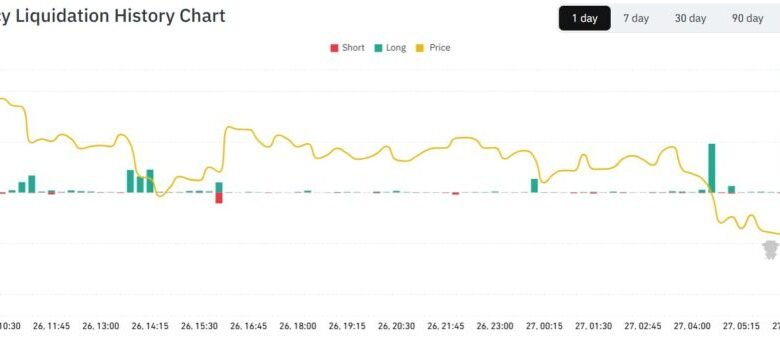
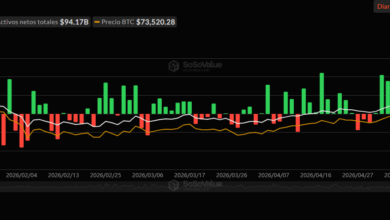
Bitcoin’s price shattered the $67,000 mark on March 27, 2026, registering a sharp 3.4% daily dip. The week’s losses now tally 5%, a stark reminder of crypto’s inherent volatility.
The swift downturn triggered a seismic wave across the market: $440 million in leveraged cryptocurrency futures positions evaporated within 24 hours. The brunt of this financial cleansing hit traders betting on continued price increases – those holding ‘long’ contracts.
What does a liquidation mean? For those using borrowed capital to amplify their bets, it’s a brutal reality check. When the market moves decisively against a leveraged position, exchanges automatically close the trade. The collateral, once sufficient, is suddenly worthless, wiping out the trader’s investment.
This isn’t merely a technicality. Mass liquidations create a dangerous feedback loop. Forced sales flood the market with supply, often without matching demand. This intensifies downward pressure, accelerating price slides in mere moments. High-risk strategies, in these conditions, transform into high-speed losses.
The catalyst for this latest market tremor? Escalating geopolitical strife in the Middle East. Tensions have simmered since February 28, but recent developments have turned the heat up considerably.
Foremost among concerns is the Strait of Hormuz. This narrow waterway, a critical chokepoint between the Persian Gulf and the Gulf of Oman, funnels a staggering one-fifth of the world’s oil supply. Its strategic importance to global energy markets cannot be overstated, influencing everything from crude prices to shipping insurance.
Tehran recently declared the strait off-limits to vessels linked with Israel or the United States, issuing stern warnings against any attempts to navigate through. Such threats carry significant economic and military implications, rattling international shipping and trade.
Yesterday, March 26, the threat became tangible. Three container ships were reportedly forced to reverse course after direct warnings. Meanwhile, Washington and the Pentagon are reportedly weighing the deployment of an additional 10,000 troops to the region, signaling a serious escalation of military posture.
Such an environment of heightened geopolitical risk typically sends investors fleeing from perceived ‘risk assets.’ Bitcoin, despite its digital appeal, often falls into this category alongside other cryptocurrencies. Capital instead seeks the relative safety of traditional havens, like gold, or simply retreats into cash, awaiting calmer seas.