End of the Road: Polestar Blocked from US Market Under New Connected Car Rules
The US Commerce Department's decision halts future imports, leaving the Polestar 3 and 4 as the brand's final American offerings.
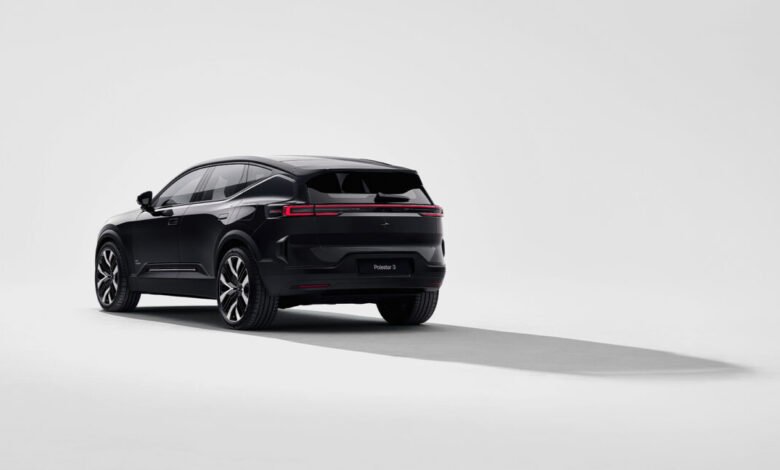
The automotive landscape in North America is about to lose one of its most distinctive electric vehicle players. In a stunning regulatory development, the US Commerce Department has declined to authorize imports of new Polestar vehicles from model year 2027 onward. The decision, rooted in a federal rule banning connected cars from automakers with Chinese links, effectively cuts off the Swedish-born, Chinese-owned EV brand from the American market.
While the brand’s long-term future in the United States has been cut short, the immediate outlook for current and prospective owners is not an overnight shutdown. Polestar has confirmed it will continue to sell its existing stock of Polestar 3 and Polestar 4 SUVs. Furthermore, the automaker has committed to supporting its current customer base, promising that it “will continue to support customers, including providing access to its service network.” However, any hopes for the brand’s highly anticipated future portfolio arriving on American shores are officially dead. Enthusiasts can forget about seeing the Polestar 5 grand touring sedan, the gorgeous Polestar 6 roadster, or any subsequent future models making it to these shores.
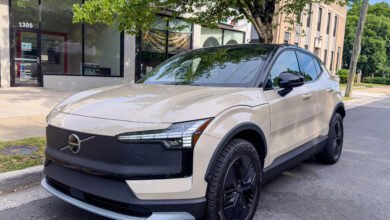
The regulatory hammer falls at a highly complex moment for the brand. Polestar was spun out of Volvo Cars several years ago as a pure EV brand by its corporate parent, Zhejiang Geely Holding—the Chinese automotive giant that also owns global OEMs like Lynk and Co and Zeekr. This corporate structure has ultimately sealed Polestar’s fate in the US, creating a stark contrast with its sibling brand. Just weeks ago, the Commerce Department authorized Volvo to import model year 2027 vehicles. At the time of that announcement, Polestar was actively working with US authorities to meet the stringent regulations, hoping to secure a similar path forward. That work was evidently in vain.
The decision highlights the growing influence of domestic lobbying. US domestic auto manufacturing interests have been wildly successful in raising support for protectionist measures from across the political spectrum. Yet, the ban presents a deep irony when looking at Polestar’s actual manufacturing footprint. The Polestar 3 SUV is currently built in South Carolina at the Volvo plant near Charleston, representing a massive local investment. Meanwhile, US-bound Polestar 4 models were slated to be built in South Korea, though much of Polestar’s primary manufacturing footprint remains in China. Under the new connected-vehicle rules, physical assembly location matters less than the corporate and technological ties to Chinese parent companies.
With the world’s second-largest auto market closing its doors, Polestar is forced to pivot its global strategy entirely. “The automotive industry is entering a new phase, based on regional dynamics. Our strategy reflects that, with Europe being our largest growth engine and our plan to manufacture Polestar 7 in Europe,” said Michael Lohscheller, Polestar’s CEO.
Lohscheller pointed to the brand’s recent commercial momentum outside the US as a foundation for this pivot. “Our record sales in 2025 and the first quarter of 2026 show that we are making strong progress, with several new market launches taking place in Europe this year. In addition, we will continue to invest in markets where we have opportunities to continue to grow, like Southeast Asia, Eastern Europe, Latin America, and Canada.”
For American EV buyers, this exit represents a significant loss of choice in a segment that desperately needs diverse competition. Polestar offered a distinct blend of Scandinavian minimalist design, sharp driving dynamics, and high-performance engineering. As the brand winds down its US sales operations over the next year, the remaining stock of Polestar 3 and Polestar 4 models will likely become rare, highly unique sights on American roads—monuments to a promising electric future cut short by geopolitical realities.