Gallup CEO Warns Fixing Global Workplace May Take Longer Than Colonizing Mars
Disengagement costs the global economy $10 trillion as management failures drive worker misery.
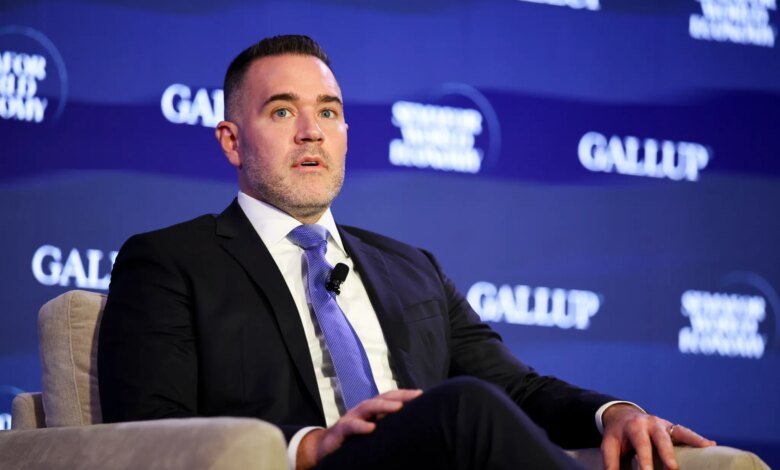
The global workplace remains fundamentally fractured, with roughly 80% of employees worldwide currently disengaged from their roles. Speaking at the Jobs for the Future Horizons conference on Monday, Gallup CEO Jon Clifton suggested that humanity might achieve interplanetary colonization before it resolves the crisis of the modern office.
“We’re closer to colonizing Mars than we are to fixing the world’s broken workplace,” Clifton told a panel, noting that global engagement levels have stagnated over the last two years and currently sit at 2020 levels.
The financial implications of this disengagement are substantial. Gallup data indicates that low employee engagement resulted in approximately $10 trillion in lost productivity over the past year, a figure representing nearly 9% of global Gross Domestic Product (GDP).
The Management Factor
Despite the high levels of disengagement, Clifton noted that 80% of workers report enjoying the actual tasks they perform. This suggests the primary issue is the corporate environment rather than the labor itself.
“The problem, therefore, is not work,” Clifton said. “The problem is the workplace.”
Clifton identified bad management as the single largest contributor to employee dissatisfaction. According to Gallup research, the quality of a manager accounts for 70% of the variance regarding misery at work. Without addressing leadership failures, Clifton warned that companies will continue to “drive the life out of those individual contributors.”
AI Anxiety and Gen Z
The rapid integration of artificial intelligence has added a new layer of complexity to workplace morale. While tech leaders like Elon Musk have projected that SpaceX could begin building a city on Mars within five to seven years, workers on Earth are expressing increased trepidation about the future.
Data from 2025 and 2026 shows that Gen Z excitement regarding AI fell by 14%, while feelings of anger toward the technology rose by 9%. Aneesh Raman, LinkedIn’s chief economic opportunity officer, stated during the panel that much of this friction comes from a perceived lack of agency. Many employees feel that the trajectory of AI is being dictated by executives rather than the workforce.
However, Raman suggested that if implemented correctly, AI could rank among the most democratizing technologies ever created. He argued the tool could eventually help hack the systemic brokenness of the labor market by expanding access to expertise and opportunity.
Gallup’s research further indicates that the manager’s role is pivotal in this transition. Employees who receive guidance from their managers on how to use AI are eight times more likely to feel they have the opportunity to perform at their best.
Background: Measuring Global Engagement
Gallup is an American analytics and advisory company based in Washington, D.C., known globally for its public opinion polls. The organization has tracked employee engagement for decades, defining “engaged” workers as those who are highly involved in and enthusiastic about their work and workplace.
The term Gen Z typically refers to the demographic cohort succeeding Millennials, born between the late 1990s and the early 2010s. This group is the first generation to grow up with high-speed internet and portable digital technology as a standard part of daily life, making their shifting attitudes toward AI a significant indicator of future labor trends.
Gross Domestic Product (GDP) is the standard measure of the value added created through the production of goods and services in a country during a certain period. Gallup’s estimate that disengagement costs 9% of global GDP highlights the scale of the economic impact caused by workplace culture issues.