The High Cost of Minimalism: Slate’s $25,000 Bet on Manual Windows and Hard Plastic
Why the $25,000 EV is ditching power windows and speakers.
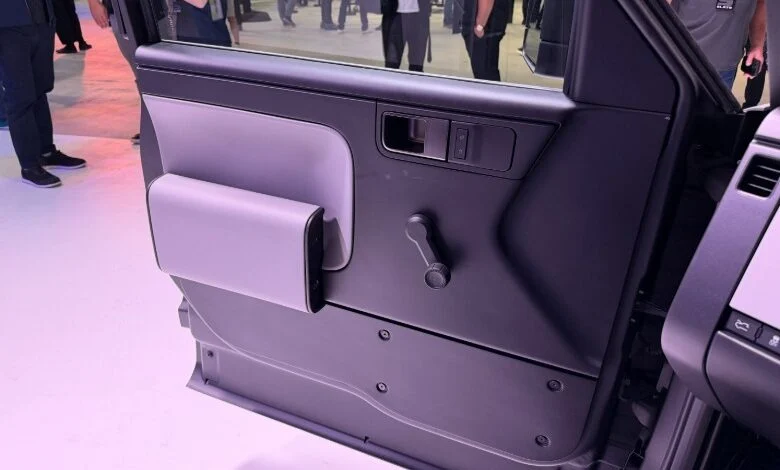
The Slate electric truck is attempting to market austerity as a lifestyle choice, but as the vehicle moves toward production, the line between utilitarian charm and aggressive cost-cutting is blurring. While the truck’s exterior design evokes a nostalgic 1960s aesthetic, the interior experience suggests a level of bare-bones engineering that may struggle to justify its $25,000 price tag.
Originally envisioned as a $20,000 entry-point EV, the Slate has seen its value proposition shift as it no longer qualifies for certain federal incentives. Under current Internal Revenue Service guidelines for clean vehicle credits, the lack of a tax break forces the Slate to compete directly with more refined, albeit less eccentric, competitors. This price jump makes the cabin’s reliance on hard plastic door cards and rounded, unpadded armrests a significant editorial point of contention.
Slate has opted for a modular approach to basic storage that borders on the transactional. According to company estimates, a pair of door storage pockets will cost owners $50 and require up to two hours of self-installation. Similarly, a center console—a standard feature in nearly every modern vehicle—is a $250 add-on. Even with the upgrade, the console’s armrest retains the same rigid plastic texture found on the doors.
The most polarizing design choice remains the total absence of power windows. A Slate spokesperson defended the decision, claiming that early feedback suggests customers enjoy the tactile nature of crank windows. However, the manufacturer reportedly saves just $40 per truck by omitting power regulators. In a cabin this wide, the decision creates a functional hurdle; a driver must physically lean across the interior to operate the passenger-side crank, a maneuver that highlights the gap between retro appeal and modern ergonomics.
Despite the sparse environment, the Slate does achieve certain mechanical successes. The doors close with a solid thunk, avoiding the tinny resonance often associated with budget-conscious manufacturing. The physical climate control knobs and rectangular door handles offer a tactile reliability that many modern touch-sensitive interfaces lack. Yet, these highlights are offset by the absence of speakers and the presence of non-functional gloveboxes in recent prototypes.
Slate’s strategy relies on the idea that “real work” requires fewer distractions, yet the steering wheel stalks and climate controls have been described as feeling uninspired. While the cabin is undeniably spacious, the lack of texture or padding on high-touch surfaces suggests that the brand is prioritizing a $40-per-unit saving over the long-term comfort of the driver.