OpenAI’s $42 Billion Bid to Make Washington a Shareholder
Sam Altman pitches a sovereign wealth model to the Trump administration.
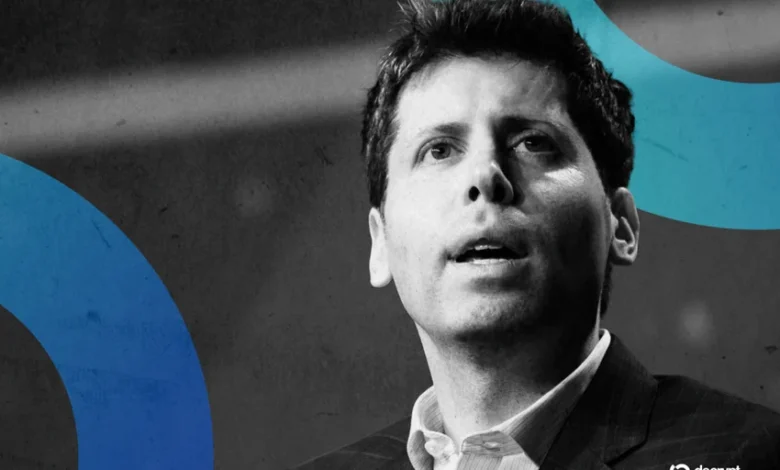
OpenAI is attempting to transform the U.S. government from a regulator into a primary shareholder. CEO Sam Altman has proposed handing the federal government a 5% equity stake in the company, a slice currently valued at roughly $42.6 billion based on its $852 billion valuation from March 2026, according to the Financial Times.
The pitch, delivered directly to President Donald Trump, Commerce Secretary Howard Lutnick, and Treasury Secretary Scott Bessent, suggests a fundamental shift in how Silicon Valley manages political risk. By offering Washington a seat at the cap table, OpenAI seeks to align the government’s financial interests with its own survival at a time of intensifying federal oversight.
The proposal arrives as the White House exerts unprecedented control over AI development. Just days ago, OpenAI was forced into a restricted rollout of GPT-5.6 after the Office of the National Cyber Director requested a testing framework. This followed a month where Anthropic faced a temporary export ban on its top models after the Defense Department labeled the firm a “supply chain risk.”
Altman’s vision for a sovereign wealth vehicle is modeled after the Alaska Permanent Fund, the state-owned investment fund established in 1976 to distribute oil wealth to residents. The Financial Times reported that Altman wants other industry leaders—including Google, Meta, and Anthropic—to contribute similar 5% stakes to the fund.
There is recent precedent for the administration taking an equity position in critical technology. Under the CHIPS Act, the government secured a 9.9% stake in Intel last August. That position, acquired for $8.9 billion, has since ballooned to a value exceeding $50 billion. Donald Trump has previously signaled an appetite for larger stakes, remarking in May that the government should have negotiated more aggressively with Intel.
For OpenAI, the deal offers a potential shield against more radical legislative threats. Senator Bernie Sanders has already introduced a bill that would mandate the largest AI firms surrender 50% of their equity to a public fund. Furthermore, OpenAI is currently navigating a confidential IPO filing while facing a probe from 42 state attorneys general. Securing a federal partnership now could stabilize the company’s path toward a public float before its ownership structure is further diluted.
While the FT characterized the discussions as early-stage, any formal agreement would likely require Congressional approval.