

Digital Asset Bill Collapses as Senate Ethics Fight Hits Crypto Market
Ethics dispute blocks federal digital asset framework as cryptocurrency markets sell off
WASHINGTON — The U.S. Senate failed to advance the Digital Asset Market Clarity Act after lawmakers could not overcome a partisan deadlock over ethics restrictions on executive branch official involvement in commercial cryptocurrency projects. The key procedural vote fell short of the 60-vote threshold required to end debate under Senate cloture rules.
The stalled measure would have created the first comprehensive federal framework for digital assets, but its defeat leaves the multi-trillion-dollar digital asset market without federal statutory oversight ahead of the upcoming November midterm elections. Digital asset firms and trade groups had spent hundreds of millions of dollars on federal lobbying efforts and campaign contributions during years of intense political campaigning for tailored legislation.
Democratic senators made their support conditional on strict statutory provisions limiting the ability of sitting presidents and senior executive personnel to profit from private digital asset ventures while in office. The dispute centered on presidential ethics safeguards and conflicts of interest, with financial disclosures filed by President Donald Trump drawing particular attention.


Those official disclosures showed that Trump reported more than $1.4 billion in personal income from his family’s cryptocurrency businesses during 2025. An examination of the filings found that entities managing his direct holdings in World Liberty Financial—a decentralized finance enterprise—and the official Trump memecoin project controlled at least $160 million in combined Bitcoin and Ether holdings at the end of 2025, along with up to $6 million in secondary digital tokens.
Late in the process, Senate Republicans released a revised draft spanning more than 600 pages on Sunday evening. The update addressed specific objections raised by Democratic negotiators and traditional banking industry institutions, which had voiced concerns about systemic financial stability and depository compliance. It still failed to attract the bipartisan support needed to move the legislation before Congress adjourns Washington for its pre-election recess.
The proposed framework would have divided federal oversight of digital tokens between the Securities and Exchange Commission (SEC) and the Commodity Futures Trading Commission (CFTC). Under existing U.S. law, the SEC oversees investment contracts and securities under the Securities Act of 1933 and the Securities Exchange Act of 1934, applying legal standards derived from the 1946 Supreme Court ruling SEC v. W.J. Howey Co.
The CFTC, by contrast, regulates derivatives and futures under the Commodity Exchange Act of 1936. The Clarity Act would have expanded its statutory authority by giving the agency direct regulatory jurisdiction over cryptocurrency spot markets, where digital tokens are purchased and sold for immediate settlement.
Historically, the CFTC’s spot market authority has been limited to enforcement against fraud and market manipulation. Direct trading platforms therefore remain without unified federal registration requirements. With the legislative process halted indefinitely, federal regulatory authority over digital assets reverts entirely to existing administrative agency powers as Congressional activity slows ahead of the midterms.
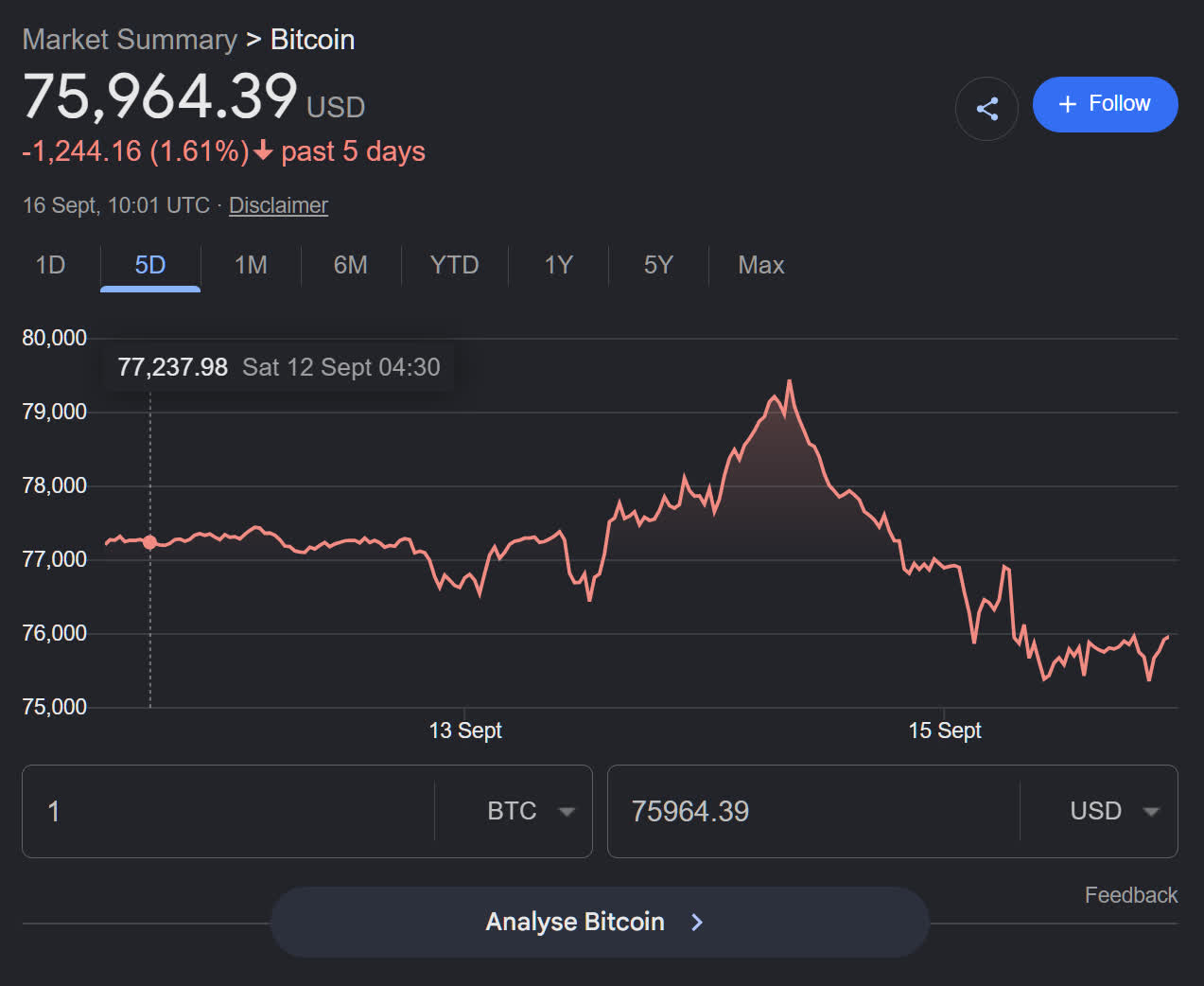
News of the failure triggered immediate sell-offs across major global cryptocurrency spot markets during Wednesday morning trading in Asia. Bitcoin recorded its largest single-day percentage decline since June, dropping nearly 3% to settle slightly below $76,000. XRP fell almost 10% during Asian trading hours to reach $1.30, while Ether (ETH) declined by nearly 5% to approximately $2,410.
Solana (SOL) decreased by 5%, falling to just above $97, and Dogecoin (DOGE) lost nearly 5% of its value in tandem with the broader market contraction. Bitcoin (BTC), XRP, Ether (ETH), Solana (SOL), and Dogecoin (DOGE) were all affected during the sell-off.
Both the SEC and the CFTC can continue executing enforcement actions and drafting administrative rules under their current statutory mandates. Industry legal analysts note that agency regulations established without explicit statutory backing from Congress remain highly susceptible to federal court challenges under the Administrative Procedure Act, as well as shifts in administrative policy across changing presidential administrations.









