Data Centers Become a New Line of Defense for the U.S. Power Grid
Weather-aware software and backup batteries are turning major data centers into flexible grid resources

WASHINGTON — Data centers are increasingly being integrated into active grid management systems as rapid expansion in artificial intelligence and cloud computing puts unprecedented strain on the U.S. electrical grid. Once viewed as passive, high-volume consumers, the facilities are being used to help utilities navigate extreme weather and prevent blackouts.
For decades, data centers operated on a model of uninterrupted, maximum reliability, drawing constant streams of power from local utilities. Some modern facilities require hundreds of megawatts to operate, forcing a reevaluation of that approach. The International Energy Agency (IEA) estimates that global electricity consumption from data centers, cryptocurrency, and artificial intelligence could double by 2026, reaching over 1,000 terawatt-hours.
Software platforms are driving the change by coordinating real-time weather forecasting with grid capacity. They allow data centers to adjust power consumption hours before extreme heat or cold pushes regional grids to their limits. Cooling can account for up to 40% of a facility’s total energy use, making local weather data important to load-orchestration software.

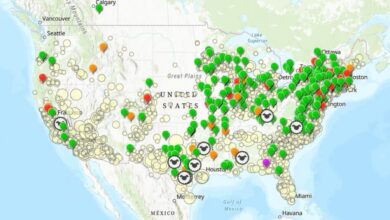
The pressure is particularly acute in Northern Virginia’s “Data Center Alley,” which handles an estimated 70% of the world’s internet traffic. Local utility Dominion Energy has faced challenges keeping pace with connection requests, while PJM Interconnection, the grid operator for 13 states and the District of Columbia, has warned that rising demand from data centers could outpace new generation capacity by the end of the decade.
In the United States, the surge is colliding with a power grid already stressed by aging infrastructure and the retirement of traditional coal-fired power plants. Regional transmission organizations are looking to data centers not just as customers, but as flexible resources. In Texas, the Electric Reliability Council of Texas (ERCOT) has repeatedly relied on voluntary curtailment programs during summer heatwaves.
Under those programs, large energy consumers ranging from cryptominers to enterprise data centers are paid to reduce electricity usage or switch to on-site power when supply margins tighten. To participate without disrupting critical digital services, operators can anticipate temperature spikes, pre-cool facilities during off-peak hours, shift non-essential computational workloads to facilities in other regions, or prepare on-site battery storage systems to pick up the load.
The federal government is also pushing wider adoption of grid-interactive technologies. The U.S. Department of Energy (DOE) has prioritized Virtual Power Plants (VPPs), which are aggregated networks of distributed energy resources such as commercial batteries, smart thermostats, and data center backup systems. The DOE estimates that expanding VPP capacity could save utilities billions of dollars in avoided distribution and generation costs while bolstering grid resilience.
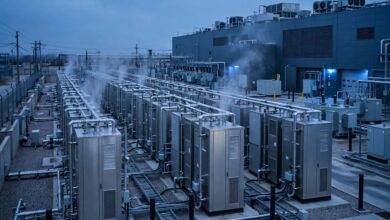
Many modern data centers already have massive backup generators and battery energy storage systems (BESS) designed to keep servers running during local outages. Software developers are building interfaces that allow utilities to tap into those battery reserves during broader grid emergencies, effectively turning data centers into distributed power stations.
Using on-site diesel generators for grid support faces strict environmental regulations because of emissions standards. Tech companies are consequently investing heavily in utility-scale battery storage and geothermal energy to align grid-stabilization efforts with corporate net-zero carbon goals. As climate change increases the frequency of severe weather events, industry analysts expect grid-interactive capabilities to become standard requirements for new data center developments. Regulatory bodies are already considering mandates that would require large-scale energy consumers to demonstrate load flexibility before securing grid connection approvals.