AI Cracks 30-Year Super Mario 64 Fountain Plaque Mystery
GPU testing of 1990s Mac fonts scores "Eternal star" far higher than the legendary "L is real 2401" theory.
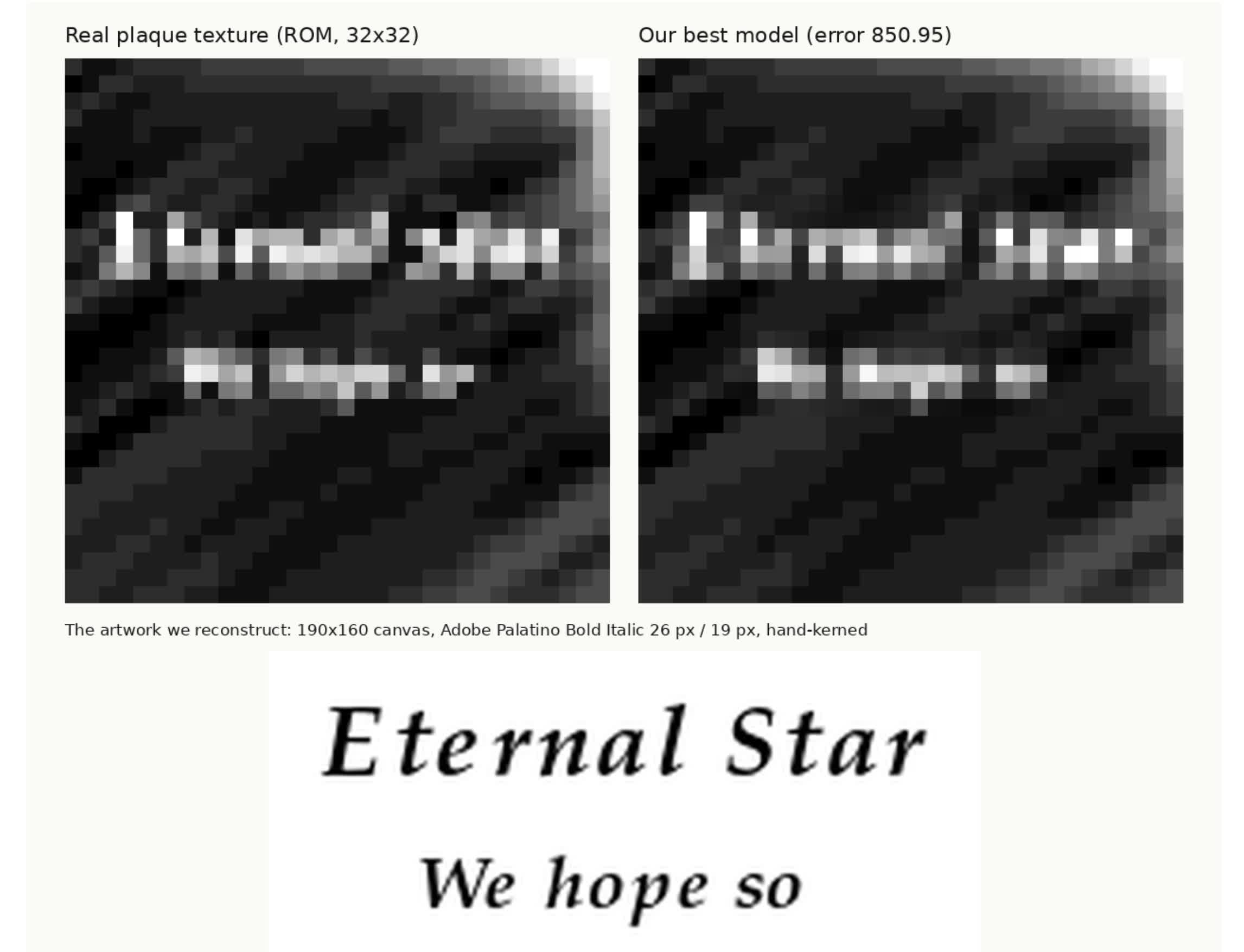
A 32-by-32 pixel texture hidden in the courtyard of Peach’s castle in Super Mario 64 likely reads “Eternal star / We hope so,” according to a new analysis using artificial intelligence. The finding dismantles a fan theory that dominated gaming forums for nearly three decades.
Gaming enthusiast supermochi64 used the AI model Claude (Opus 5.5) and GPU-accelerated font matching to test millions of typographic combinations against the blurry plaque, according to a video posted to YouTube. The process mimicked how a Nintendo texture artist working on a mid-1990s Macintosh would have built the graphic. The system identified Palatino Bold Italic—specifically Adobe’s original 1990 release bundled with Apple computers of that era—as the typeface used on the fountain.


Since the game launched in 1996, players insisted the illegible text read “L is real 2401.” That specific phrase gained momentum after Nintendo Power magazine published an April Fool’s Day joke about it in 1998. Because developers originally planned to include Luigi as a playable character before cutting him late in production, fans treated the magazine gag as a genuine clue pointing to a secret unlockable. When researchers fed the famous “L is real” string into the new AI testing pipeline, it scored twice as poorly as “Eternal star” in typographic accuracy, according to supermochi64.
Nintendo rarely comments on legacy Easter eggs. The company has historically allowed minor mysteries in its catalog to persist rather than issuing official corrections, leaving room for the original artist—who worked on the game more than 30 years ago—to remain unidentified. Without direct confirmation from the development team that shipped the Nintendo 64 launch title, the computational match stands as the strongest available evidence rather than an absolute certainty.