

High Gas Prices Are Reshaping U.S. Job Searches, Monster Survey Finds
Nearly half of employed Americans surveyed have rejected a job over its commute.

High gasoline prices have changed how 65% of job seekers search for work, according to data from workplace recruitment platform Monster. The survey also found that 49% of employed Americans have turned down a job opportunity because of the length or cost of the commute.
Among active job movers, 23% are limiting their searches to positions closer to home, 20% are prioritizing fully remote work, and 17% are seeking higher base salaries specifically to cover commuting costs. Only 5% of prospective applicants are actively looking for fully in-person roles.
Regular gasoline averages about $4.10 a gallon nationwide, up from $3.15 a year ago, with overall national averages edging toward $4.50. Mid-grade gasoline averages slightly more than $5.00 a gallon, while diesel has risen past $6.50, adding pressure to commercial logistics, freight and public transportation operating costs.
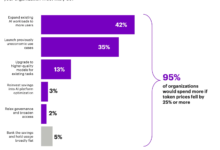

The price of a longer commute is appearing in job candidates’ demands. Monster found that 32% of workers would require a salary increase of at least 20% to accept a commute 20 minutes longer than they would prefer. Another 10% would accept a 10% raise; 11% would take the trip for a more flexible or hybrid schedule, and 9% would do so if their employer reimbursed gasoline expenses. For 30%, neither money nor flexibility would persuade them to extend their commute beyond their current limits.
The U.S. Census Bureau puts the average American commute at roughly 27 minutes each way. Fuel, vehicle maintenance and insurance all affect what hourly and salaried commuters retain from their pay. Monster also found that 75% of respondents said the rising cost of living had made work-life balance a primary career priority.
The pressure on commuting costs comes as office attendance remains well below its pre-pandemic level. Security provider Kastle Systems, which tracks card swipes in 10 major metropolitan areas, including New York, Los Angeles, Washington, D.C., and Austin, reports that occupancy has plateaued at 53% of pre-pandemic levels, limiting employers’ return-to-office efforts.
Benchmark Brent crude traded at $105 a barrel amid supply fears and shipping disruptions in key maritime corridors. A seven-month military conflict between the United States and Iran has heavily disrupted commerce through the Strait of Hormuz, the passage bordered by Iran to the north that connects Persian Gulf crude producers with global supply chains and carries roughly 20% of the world’s petroleum liquids supply. Security risks have made commercial vessels reluctant to pass through despite Washington’s assurances about maritime security, stalling physical exports and raising global risk premiums.
At high-level meetings at the United Nations in New York, Iranian President Masoud Pezeshkian said Iran was “ready for dialogue and diplomacy” but would never “bend the knee.” U.S. President Donald Trump said his administration faced a choice between diplomatic negotiations and military options against the Iranian government. A diplomatic resolution remains uncertain.
Fuel spikes of this scale have historically reduced consumer spending and geographic labor mobility. Rapid increases narrow the practical radius of a job search, concentrating workers nearer home and worsening labor shortages in regional business districts. Mark Dixon, chief executive of global workspace provider IWG, has noted that long-distance daily commuting faces a long-term structural decline as younger workers favor geographic flexibility and proximity over traditional centralized hubs.







One Comment