BMW iX5 Hits 550 Miles on One Charge, Exposing EPA Gaps
The 144-kWh Gen6 battery pushed the electric SUV 115 miles past its official estimate during a California road trip.
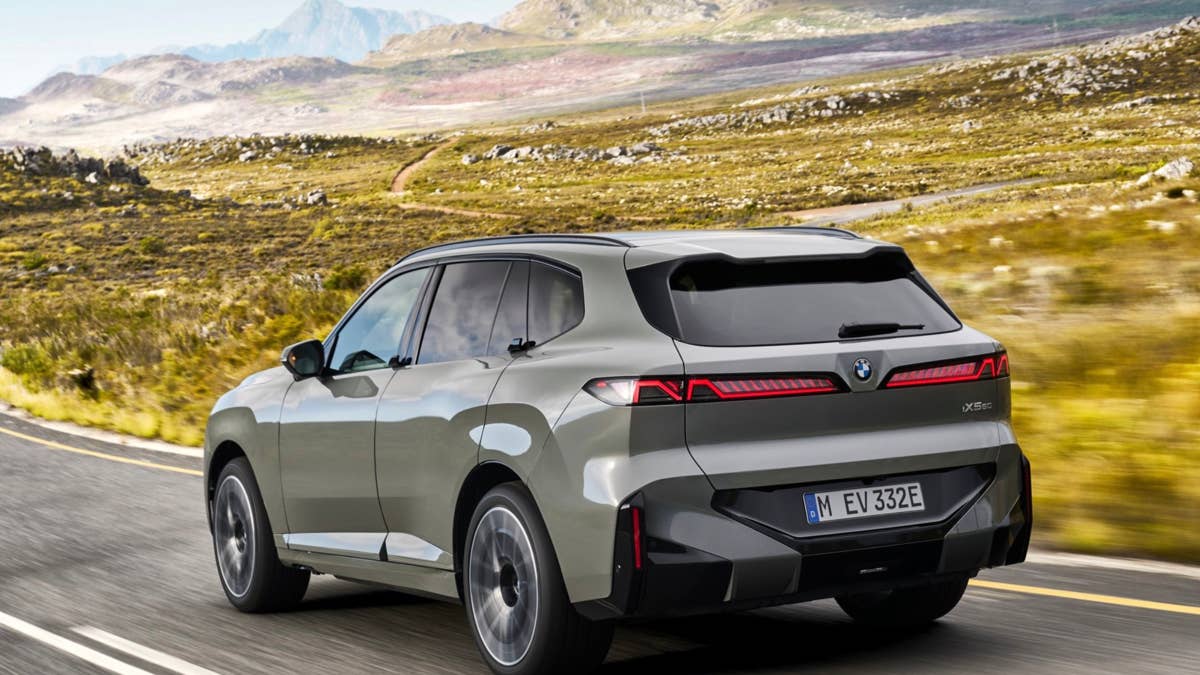
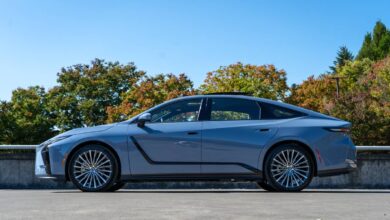
A 2027 BMW iX5 traveled from San Francisco to Newport Beach without plugging in. The distance covered was 500 miles. When the driver stopped, the midsize electric SUV still had enough energy left in its pack for another 50 miles.
That 550-mile total shatters the vehicle’s own EPA-based estimate of 435 miles by more than 26 percent. Chris Corral, a Las Vegas-based BMW salesman, confirmed the run on X. BMW Blog first reported it. Details regarding route elevation changes, highway speeds, or whether the driver employed extreme efficiency techniques remain undisclosed.

The discrepancy points directly at the limitations of standardized range testing rather than just driver skill. The EPA’s test cycles, conducted on dynamometers under controlled conditions, have historically struggled to account for the real-world behavior of vehicles equipped with massive battery reserves and advanced thermal management. European manufacturers frequently engineer their powertrains to exceed WLTP figures, but a 115-mile gap over an American certification standard is unusual. For context, Hyundai’s Ioniq 6 routinely beats its EPA estimates by 10 to 15 percent in independent testing, yet rarely approaches a 25-percent margin.
Only one production electric vehicle currently holds an EPA rating above 500 miles: the Lucid Air Grand Touring sedan at 512 miles. That car relies on a teardrop shape and a drag coefficient near 0.197 to slice through the air. The iX5 is a tall, heavy utility vehicle. Its direct competitor, the Mercedes-Benz EQE SUV, tops out at 302 miles. The Cadillac Escalade IQ and Lucid Gravity both clear 400 miles, but neither touches the half-thousand mark.
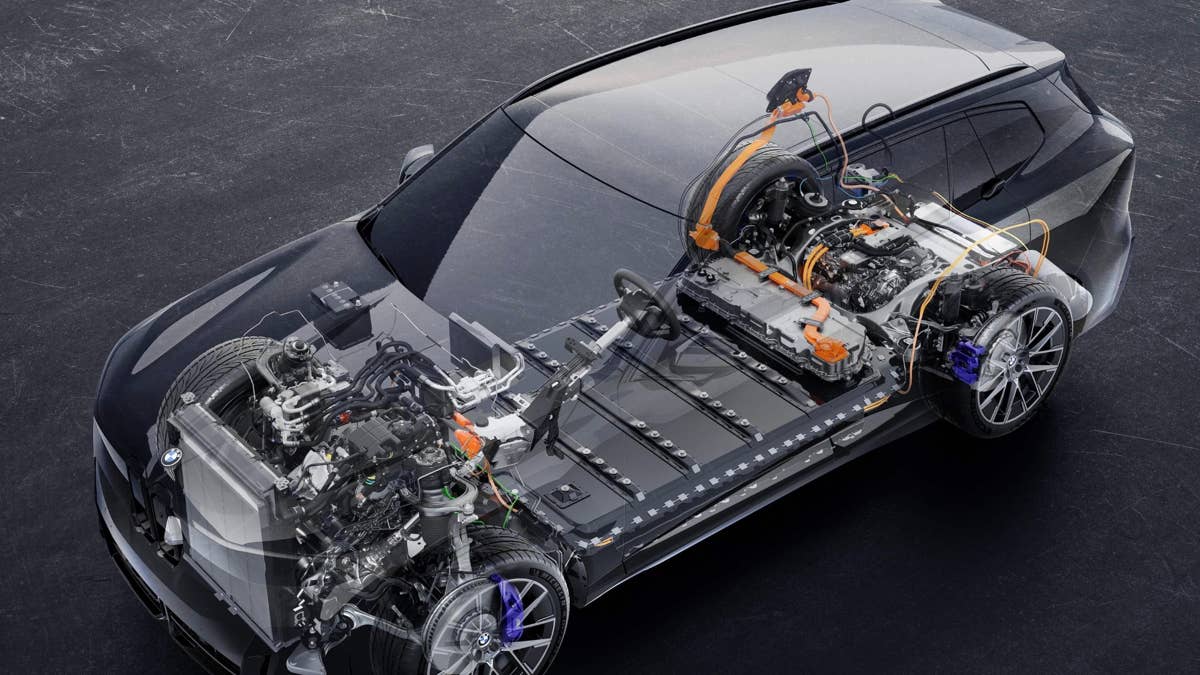
Underpinning the iX5 is a 144-kWh Gen6 high-voltage battery. BMW shifted away from the prismatic cells used in its previous generation, adopting cylindrical cells that deliver a 20 percent increase in energy density. The architecture runs at 800 volts. Peak DC charging hits 460 kW, which forces the battery from 10 to 80 percent in 22 minutes. Standard AC charging caps at 15.4 kWh. Bidirectional capability is included, allowing the SUV to power external devices or feed electricity back into a residence.
The initial launch variant carries the 60 xDrive badge. Pricing starts at $79,800. Two electric motors generate a combined 570 horsepower and 593 lb-ft of torque, pushing the SUV to 60 mph in 4.4 seconds before hitting an electronic limiter at 130 mph.
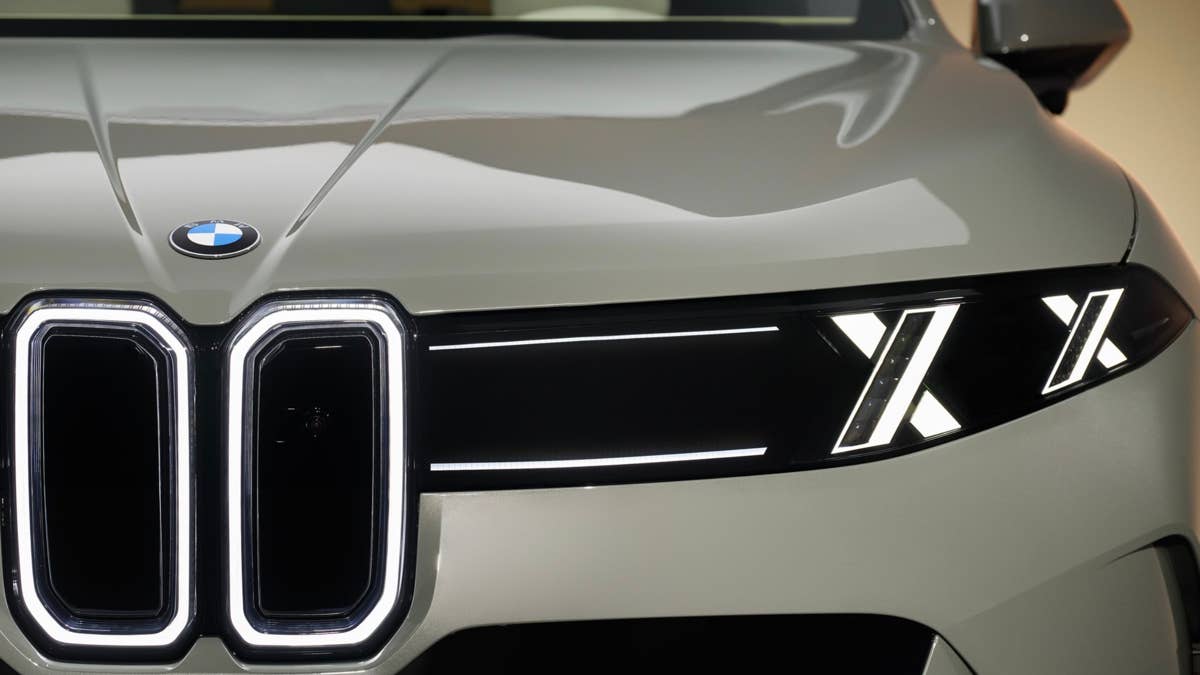
Buyers will get their hands on the first fully electric X5 in early 2027.